
Plants
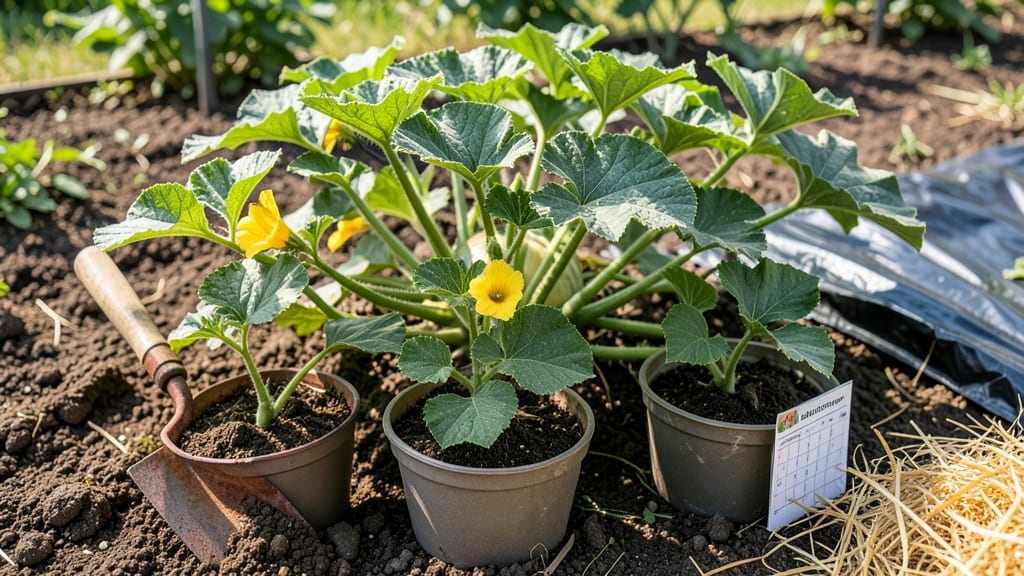
If you’ve ever dreamed of growing your own 🎃 pumpkins in California but wondered when to plant them for the fastest, healthiest harvest, you’re not alone. The Golden State’s diverse climate—from coastal breezes to inland heat—means timing matters more than you’d think.
Planting too early in cooler inland zones or too late in desert areas can slow germination or stress your vines. But here’s the good news: with the right soil temperature triggers (60°F for optimal germination), you can unlock fast growth and bumper crops.
I’ll walk you through the exact windows for coastal, inland, and desert regions—plus pro tips to adjust for microclimates.
Whether you’re starting seeds indoors or sowing directly, knowing when to plant is the key to avoiding common pitfalls like heat stress or uneven ripening. Let’s dive into the science behind California’s planting calendar and how to set your pumpkins up for success.
You’ll leave here with a clear action plan—from soil checks to variety selection—to ensure your pumpkins thrive, no matter where you garden in the state. Ready to grow jack-o’-lanterns that’ll make your neighbors green with envy?
California pumpkin planting calendar by region: soil temperature triggers for germination
California’s diverse climate—from coastal fog to desert heat—means pumpkin planting times vary dramatically. While coastal areas like San Francisco can plant as late as May, inland Central Valley growers often start in March to beat summer heat.
The key? Soil temperature must reach 50-60°F for germination, with 60°F+ ideal for faster sprouting.
Desert regions like Palm Springs can plant pumpkins as early as February when soil warms quickly, while Northern California (e.g., Sacramento) aligns with Central Valley timing. Microclimates matter: A south-facing slope may warm 2-3 weeks earlier than a shaded valley.
Here’s how to match your region’s planting window to soil conditions for optimal germination:
| Region | Best Planting Window | Soil Temp Trigger (°F) | Microclimate Notes |
|---|---|---|---|
| Northern CA (Sacramento, Redding) | March 15–April 15 | 55–60°F | Cooler nights; use black plastic mulch |
| Central CA (San Joaquin Valley) | March 1–April 30 | 50–60°F | Hot days; plant early to avoid heat stress |
| Southern CA (Los Angeles, San Diego) | April 1–May 15 | 55–65°F | Coastal fog delays warming; inland areas plant earlier |
| Desert CA (Palm Springs, Coachella) | February 15–March 15 | 60–70°F | Soil warms fast; shade cloth helps in peak summer |
For coastal gardens, aim to plant 4–6 weeks before the first 90°F+ heatwave to avoid blossom drop. Inland areas should prioritize early-maturing varieties (e.g., 'Sugar Pie') to harvest before August heat stunts growth.
Always check 7-day soil forecasts—a 5°F drop can delay germination by 1–2 weeks.
Pro tip: Pre-warm soil in cooler zones by laying down black plastic mulch 1–2 weeks before planting. This raises soil temps by 5–10°F, speeding up germination. Pair this with drip irrigation to maintain consistent moisture during critical sprouting stages.
If you’re in USDA Zone 10 (e.g., San Diego), you can even try fall planting (August–September) for winter harvests. Just monitor humidity—high moisture + warm soil = powdery mildew risk. Use fungicide sprays preemptively if your area is prone to fungal issues.
For container growers, adjust timing by 2–3 weeks later—pots cool faster and dry out quicker. Place containers in full sun and use heat-retaining fabric pots to mimic in-ground warmth. Dwarf varieties like 'Jack Be Little' thrive in 5-gallon pots, making them ideal for balconies or patios.
Remember: Pumpkin vines need space—plan for 15–30 feet of spread per plant. In urban gardens, use trellises or cages to save space, though yields may drop by 30–50%. Companion plants like bush beans or nasturtiums can help deter pests and improve soil health.
🎃
How to test soil temperature for pumpkin planting success in California gardens
Pumpkin seeds need consistent soil temperatures between 50-60°F (10-15°C) to germinate properly. In California’s diverse climate, this means checking soil temps before planting—especially in cooler coastal areas or high-elevation inland spots. A simple soil thermometer (or even your finger) can save you from waiting weeks for sprouts to appear.
For fast germination, aim for 60°F+ soil. In Southern California deserts, this might mean planting as early as February, while coastal regions like San Francisco may need to wait until late April.
Black plastic mulch can warm soil by 5-10°F, giving you an earlier start in marginal zones.
Here’s how to test soil temperature accurately—no fancy tools required:
- Coastal (e.g., Santa Barbara): Wait until May for soil to warm.
- Central Valley (e.g., Fresno): Plant in March-April when soil hits 60°F.
- Desert (e.g., Palm Springs): Sow in February to avoid 100°F+ soil later.
Pro tip: If your soil is below 50°F, pumpkin seeds may rot instead of sprout. In these cases, start seeds indoors 2-3 weeks before transplanting—just be sure to harden them off for 7-10 days before moving outside.
Remember, soil temperature > air temperature for germination. Even if it’s 70°F outside, your soil might still be too cold for seeds. Always test—your pumpkin’s future depends on it! 🌱