
Plants
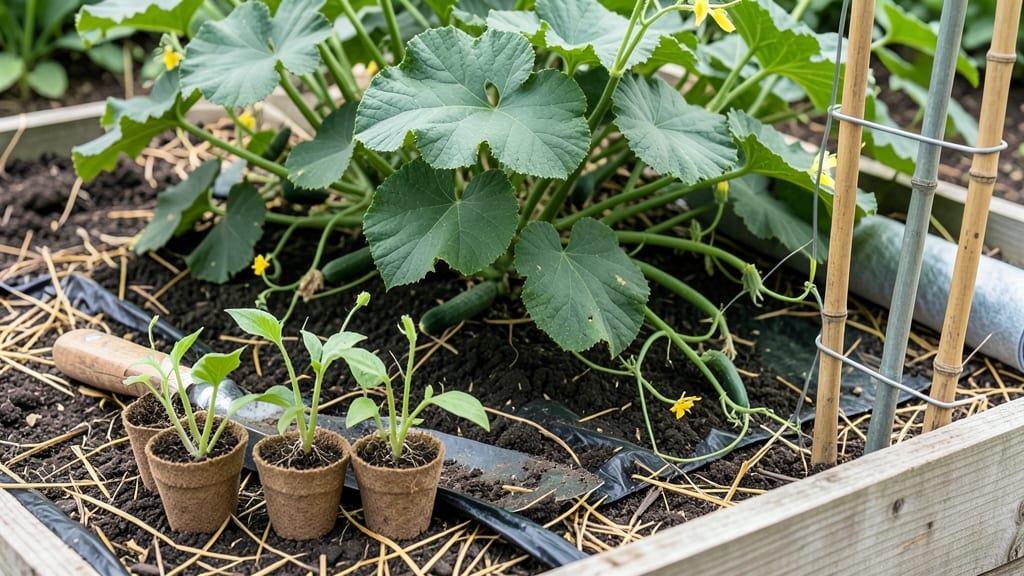
If you’ve ever stared at your seed packets wondering when to plant cucumbers in Northern California, you’re not alone—timing is everything, especially when coastal fog and inland heatwaves collide. 🥒
One wrong move, and your 6-foot vines could bolt in the heat or wilt from late frost. The good news? With the right schedule—spring’s mid-March to July window or fall’s late July to August push—you can turn your garden into a nonstop cucumber factory.
I’ll break down the exact dates for your microclimate, from Bay Area chill to Central Valley heat.
You’ll also learn how to stretch your harvest with succession planting and protect tender seedlings from unexpected cold snaps. No more guessing games—just data-driven timing to maximize your 50-day harvests from May through November.
Ready to turn your backyard into a cucumber powerhouse? Let’s dive into the planting calendar that actually works for Northern California’s quirky weather.
Northern California cucumber planting zones: frost-free timing by microclimate
Northern California’s microclimates create wildly different growing conditions—coastal areas stay cool and foggy while inland valleys bake under 100°F+ heat. To succeed, you must align your cucumber planting with your specific last frost date and soil temperature thresholds.
Let’s break down the ideal windows for Bay Area coastlines, Sacramento Valley, Central Coast, and Sierra foothills.
Cucumbers thrive when soil temperatures hit 60°F+ and all frost risk has passed. In Northern California, this typically means waiting until mid-April to early May for most regions.
However, coastal areas like San Francisco and Santa Cruz may need to delay until late May due to lingering marine layer fog. Inland zones like Sacramento and Stockton can start as early as mid-March under black plastic mulch.
Here’s your region-specific planting timeline, including heat-tolerant varieties like 'Straight Eight' and 'Marketmore 76' that perform best in Northern California’s extremes:
| Region | Last Frost Date | Optimal Planting Window | Soil Temp Threshold | Best Varieties |
|---|---|---|---|---|
| Bay Area Coast (San Francisco, Santa Cruz) | March 15 - April 15 | Late May - Early June | 60°F+ (use row covers) | 'Straight Eight', 'Lemon Cucumber' |
| Sacramento Valley (Sacramento, Stockton) | February 15 - March 15 | Mid-March - Early April | 55°F+ (with mulch) | 'Marketmore 76', 'Diva' |
| Central Coast (Salinas, Santa Barbara) | February 28 - March 15 | Late March - Early May | 60°F+ | 'Boston Pickling', 'Sweet Success' |
| Sierra Foothills (Chico, Redding) | March 1 - April 1 | Early April - Mid-May | 65°F+ | 'Armenian', 'Tyria' |
For coastal gardeners, I recommend starting seeds indoors in March and transplanting after May 15 to avoid chilly night temperatures. Inland growers can direct-sow seeds as early as March 15 if using black plastic mulch to warm the soil.
Always monitor your local Almanac frost dates—they’re more reliable than general averages.
If you’re in a transition zone (like Sonoma or Napa), err on the side of planting later. These areas experience unpredictable fog patterns that can delay soil warming.
A simple soil thermometer ($10 at garden centers) will save you from guessing—aim for 60°F at 4 inches deep before planting.
Pro tip: Heat-tolerant varieties like 'Tyria' or 'Sweet Success' are your best bets for Central Valley summers, where temperatures can exceed 105°F. These varieties resist bolting (premature flowering) and maintain production even under intense heat.
For coastal areas, prioritize disease-resistant types like 'Lemon Cucumber', which handle humidity better.
Don’t forget about fall planting! In most of Northern California, you can sow a second crop in late July to early August for harvests through October or November.
This works best in USDA Zone 9b areas like Sacramento and Fresno, where first frost often arrives after November 15. Just be prepared to use row covers if temperatures dip below 50°F.
One final rule: Never plant cucumbers before the soil is warm. Cold soil slows germination and invites damping-off disease. If your area has late spring frosts (like the Bay Area), wait until after May 1—your patience will pay off with healthier vines and bigger yields.
🌱
How to extend your cucumber season: succession planting & cold protection hacks
Northern California’s unpredictable weather—especially coastal fog and inland heat spikes—means your cucumber harvest doesn’t have to end with summer. With the right strategies, you can extend your growing season by 30-45 days on either end. The key? Succession planting and smart cold protection tailored to your microclimate.
For coastal areas like San Francisco, row covers and cold frames let you plant 2-3 weeks earlier than usual. Inland zones like Sacramento can push harvests later with shade cloth to combat heat stress. Let’s break down the best methods for your region—plus when to use them for maximum yield.
🌱 Extend Your Cucumber Season: Pros & Cons
Row Covers
✅ Protects from light frost (28°F) and coastal winds
✅ Extends spring harvests by 3-4 weeks
⚠️ Reduces sunlight by 30%—remove by noon on sunny days
Cold Frames
✅ Warms soil 5-10°F faster than open ground
✅ Ideal for early spring or fall plantings
⚠️ Requires daily monitoring—vent on warm days to avoid overheating
Shade Cloth (30-50%)
✅ Protects Central Valley vines from 100°F+ heat
✅ Extends fall harvests by 2-3 weeks
⚠️ Use 50% cloth for summer; 30% for fall
Succession Planting
✅ Stagger plantings every 2 weeks for continuous harvests
✅ Works for both spring and fall seasons
⚠️ Avoid overcrowding—thin seedlings to 12-18 inches apart
Succession planting is your secret weapon for non-stop cucumbers. In coastal regions, start your first batch 2-3 weeks after your last frost date (usually mid-March), then add new seedlings every 10-14 days until early July. For inland areas, space plantings every 2 weeks from April through June to avoid heat stress during peak summer.
Cold protection isn’t just for early spring—it’s also critical in fall. Use low tunnels or row covers to delay first frost damage by 3-4 weeks. In Sacramento, this means you can keep harvesting until mid-November instead of early October. Just remember: ventilate covers on warm days to prevent fungal diseases like powdery mildew, which thrives in humid, stagnant air.
For heat-prone zones, shade cloth is a game-changer. Hang it above vines when temps hit 90°F to prevent blossom drop and bitter fruit. In San Joaquin Valley, this lets you harvest into October without sacrificing quality.
Pair it with drip irrigation to keep roots cool—mulch with straw to retain moisture and reduce soil temperature by 5-8°F.
Finally, soil prep makes or breaks your extended season. Amend beds with compost and aged manure before planting to boost microbial activity, which helps roots absorb nutrients faster. For fall plantings, add a 2-inch layer of compost in late August to jumpstart growth before cooler weather sets in.
🌱