
Plants
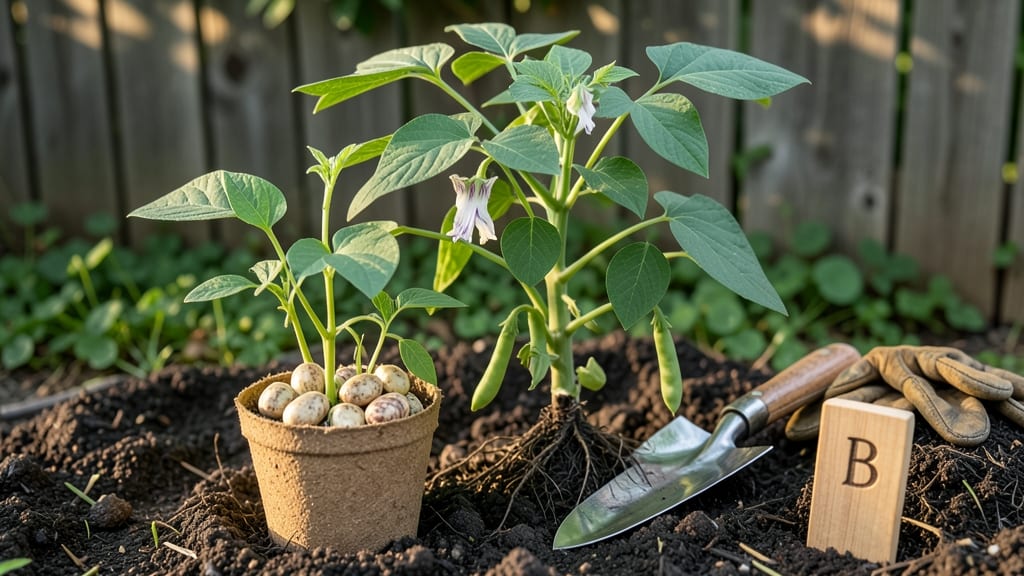
Knowing when to plant beans in Zone 5 isn't just about checking a calendar—it's about unlocking the secret to fast germination and a harvest that keeps coming.
In Zone 5, where frosty mornings can linger well into May, timing your 🌱 beans just right means the difference between impatiently waiting for sprouts and enjoying fresh pods by summer.
Most gardeners in Zone 5 make one critical mistake: planting too early, when soil temperatures are still too cool. Beans need warmth—at least 60°F—to break dormancy and sprout within 5-7 days.
I’ll show you how to test your soil temperature and adjust your planting schedule for foolproof success, whether you’re growing bush beans or climbing varieties.
Beyond the calendar, there’s a smarter way to stretch your growing season. By planting in two batches—once after your last frost (May 10 in Zone 5) and again in late summer—you can enjoy beans from June through October.
This succession planting trick ensures you’re never without fresh harvests, even if the first batch gets hit by unexpected heat or pests.
Ready to stop guessing and start growing? Let’s dive into the exact soil temperature triggers, the best planting windows for your zone, and how to avoid the 3 biggest mistakes that kill bean germination before it even begins. Your garden—and your dinner table—will thank you.
Optimal soil temperature for planting beans in Zone 5
Beans are finicky about soil temperature—plant them too early in Zone 5, and you’ll end up with slow germination or no sprouts at all. The ideal soil temperature for planting beans ranges between 50°F and 60°F, with 60°F+ being the sweet spot for fast, reliable germination.
In Zone 5, this typically aligns with late May to early June, but cooler springs can push it even later.
If your soil is still chilly below 50°F, beans may refuse to sprout or take weeks to emerge. Cold soil slows down metabolic processes in seeds, leaving them vulnerable to rot before they even get a chance to grow.
Worse yet, damp, cold soil can encourage fungal diseases like damping-off, which can wipe out seedlings overnight.
Here’s how I test soil temperature before planting: Stick a soil thermometer 2 inches deep (where seeds will be buried) and wait 10 minutes for an accurate reading. If it’s below 50°F, hold off on planting—your beans will thank you later with faster, stronger growth.
To warm up cool soil naturally, try these tricks: Lay down black plastic mulch a few days before planting to absorb sunlight and raise temperatures. Alternatively, use straw mulch once seeds sprout to retain warmth.
For raised beds, soil warms up 2-3 weeks earlier than in-ground soil, making them ideal for early plantings.
Another pro tip: Choose cold-hardy bean varieties like 'Blue Lake Bush' or 'Kentucky Wonder' if you’re eager to plant early. These varieties tolerate slightly cooler soils better than others, giving you a head start on the growing season.
🌱 Bean Soil Temperature Quick Guide
| Condition | Ideal Range | Action |
|---|---|---|
| Soil Temp | 50°F–60°F | Plant seeds |
| Soil Temp | Below 50°F | Wait or warm soil |
| Germination Time | 60°F+ | 5–7 days |
| Germination Time | 50°F | 10–14 days |
| Germination Risk | Below 45°F | No germination |
If you’re impatient to start planting, consider using a seedling heat mat under your seed trays. These handy tools can raise soil temperatures by 10–15°F, speeding up germination from weeks to days. Just be sure to remove the mat once seedlings emerge to avoid overheating.
One last tip: Avoid planting beans in soil that’s still damp from spring rains. Excess moisture can lead to seed rot, so wait until the soil is crumbly and slightly dry on the surface before sowing.
A simple finger test works—if the top inch feels cool but not soggy, it’s ready for beans.
Remember, the goal is to give your beans the best possible start. Fast germination means faster growth, more pods, and a longer harvest window. With the right soil temperature, you’ll be enjoying fresh beans straight from your garden in no time!
Best planting windows for bush and pole beans in Zone 5
In Zone 5, timing your bean planting is everything—miss the window, and you risk late frosts or overly hot soil that stunts growth. For bush beans and pole beans, I’ve broken down the best planting windows to maximize your harvest, including succession planting for a continuous supply.
Your last frost date in Zone 5 typically falls around May 10, but soil warmth matters more than air temperature. Start planting 2-3 weeks after your last frost when soil reaches 60°F+. For most Zone 5 gardeners, this means late April to early May for the first planting.
Pole beans need a longer season (80-90 days), so plant them 2 weeks before bush beans to ensure they mature before fall frosts. If you’re aiming for a fall harvest, try a second planting in mid-to-late July—just be sure to choose shorter-season varieties like 'Blue Lake' or 'Kentucky Wonder.'
For succession planting, sow new seeds every 2 weeks until mid-July. This staggered approach keeps your harvest fresh all summer long. Just remember: overcrowding leads to poor airflow and disease, so thin seedlings to 4-6 inches apart.
- Late April - Early May: First planting of pole beans (longer season). Soil temp: 60°F+.
- Mid-May: Plant bush beans (shorter season). Choose cold-tolerant varieties like 'Provider' for early starts.
- Every 2 Weeks: Succession plant until mid-July for continuous harvests.
- Mid-July: Second planting of fall varieties for late-summer harvests.
- August 15+: Avoid planting—beans need 50+ days to mature before first frost (Oct 10).
If you’re worried about late spring frosts, opt for cold-hardy varieties like 'Blue Lake Bush' or 'Kentucky Blue' and use row covers for extra protection. For pole beans, install trellises before planting—they grow fast and need support early!
Pro tip: Mark your calendar for August 15—this is your last chance to plant for a fall harvest. Choose fast-maturing varieties (50-55 days) to beat the first frost in October. With the right timing, you can enjoy fresh beans straight from your garden well into autumn!