
Plants
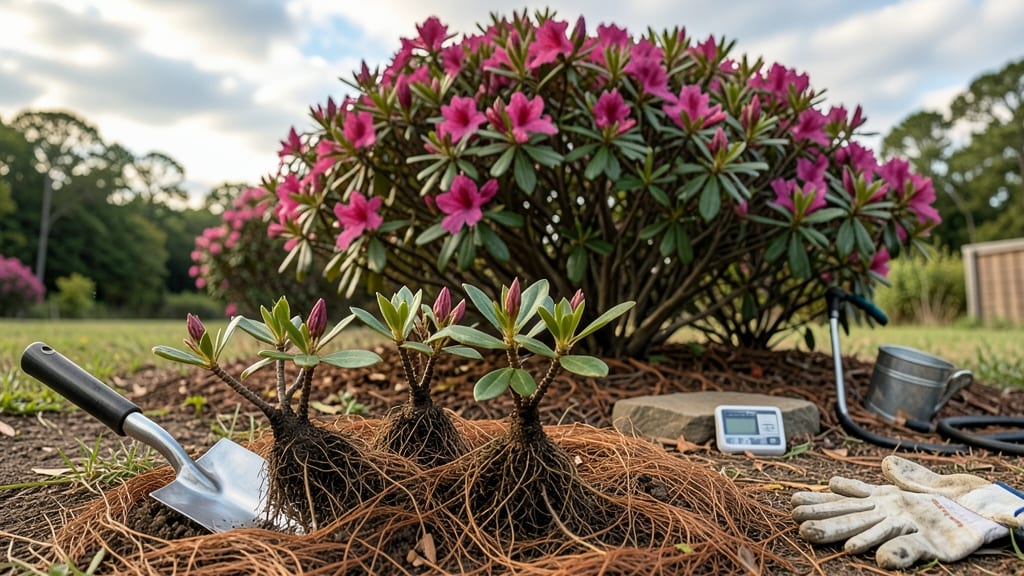
Planting azaleas in Louisiana at the wrong time could mean waiting another year for those stunning 🌸 blooms—but getting the timing right transforms your yard into a vibrant spring showcase.
The humid climate here actually works in your favor when you follow the perfect schedule, and the best windows are fall or early spring.
Why does timing matter so much? Azaleas thrive when Louisiana’s soil cools down after summer’s heat, giving roots time to establish before winter. Whether you’re planting bare-root seedlings or mature shrubs, these 4 months offer the ideal balance of moisture and temperature for success.
I’ll break down exactly when to plant—whether you’re in USDA Zone 8a-9b—and how to prep your soil for Louisiana’s acidic, well-draining needs. Skip the guesswork and learn the easiest way to ensure your azaleas take root and flourish.
From avoiding transplant shock to adjusting for Louisiana’s microclimates, you’ll discover the game-changer that keeps your azaleas blooming year after year—without the fuss.
Best planting windows for Louisiana azaleas: month-by-month breakdown
Louisiana’s humid subtropical climate creates unique challenges for azalea planting. Unlike northern states, we don’t have to worry about frost damage in winter, but heat waves and hurricane season demand precise timing.
The two optimal windows—fall and early spring—align with Louisiana’s natural rhythms to give your azaleas the best start.
Fall planting (October–November) is my top recommendation because cooler temperatures reduce transplant shock, and soil stays moist longer. This gives roots time to establish before summer’s intensity. Early spring (February–March) works too, but you’ll need to water more frequently as heat arrives. Let’s break down each month’s pros and cons.
🌸 Visual Guide: Best Planting Months
| Month | Soil Temp (°F) | Humidity % | Best For | Notes |
|---|---|---|---|---|
| September | 80-85°F | 75-85% | Late-season planting | Risk of heat stress; water daily |
| October | 70-78°F | 65-75% | Ideal window | Cooler temps, minimal transplant shock |
| November | 60-68°F | 60-70% | Best for northern LA | Avoid after first frost (Dec 1) |
| February | 55-65°F | 65-75% | Early spring | Water daily until roots establish |
| March | 65-75°F | 70-80% | Southern LA only | Heat arrives fast; mulch heavily |
For container-grown azaleas, timing shifts slightly. You can plant year-round in Louisiana, but avoid summer (June–August) when humidity exceeds 80% and temperatures hit 90°F+. Containers dry out faster, and azaleas struggle to recover from heat stress.
If you must plant in summer, choose shade-loving varieties like ‘Southern Indica’ and water every 3-4 days.
Pro tip: Test your soil pH before planting—Louisiana’s native soils often lean alkaline (7.0+), but azaleas thrive in acidic soil (4.5-6.0). Amend with peat moss or sulfur 4-6 weeks before planting to give the soil time to adjust.
A quick pH test kit from your local nursery will save you headaches later.
Hurricane season (June–November) adds another layer of complexity. If a storm is forecast, delay planting until after the threat passes. Azaleas with shallow root systems can be uprooted by heavy winds or flooding.
For coastal areas (like Grand Isle or Lafayette), prioritize well-draining soil and elevate containers on plant saucers to prevent waterlogging.
One mistake I see often? Planting azaleas in full sun without acclimating them first. Louisiana’s sun is intense, and azaleas can scorch if moved directly from shade. Instead, place them in partial shade (3-6 hours of morning sun) and gradually increase exposure over 2-
How to adjust azalea planting for Louisiana’s microclimates (North vs. South vs. coastal)
Louisiana’s climate isn’t one-size-fits-all—its three distinct regions (North, South, and Coastal) create unique challenges for azalea planting. In North Louisiana (like Shreveport), drier air and hotter summers demand extra moisture retention, while South Louisiana (Baton Rouge) balances humidity and heat.
Coastal areas (New Orleans) face salt spray risks and storm surges that can uproot young plants.
Your planting window shifts slightly depending on where you live. Northern gardeners should aim for early October to beat early frosts, while coastal areas can extend planting until mid-November thanks to milder winters. The key? Soil temperature—wait until it cools to 60-70°F before planting, regardless of region.
Here’s how each microclimate affects your azalea’s first year:
Coastal gardeners should also avoid planting near storm drains—salt buildup from road runoff can kill azaleas within months. Instead, create a 3-foot buffer with native plants like coastal elderberry to act as a barrier.
For all regions, test soil pH before planting—Louisiana’s clay-heavy soils often need sulfur amendments to reach the ideal 4.5-6.0 range.
One regional trick I swear by? Planting bare-root azaleas in North Louisiana gives them a head start—the cooler winters reduce transplant shock. Meanwhile, container-grown azaleas thrive better in Coastal areas because their root systems handle temporary flooding better. Choose your stock wisely based on your microclimate!
Pro tip: If you’re in hurricane-prone zones, schedule planting for September instead—you’ll get established roots before storm season peaks in June-November. Just be ready to stake young plants if winds exceed 30 mph.