Plants
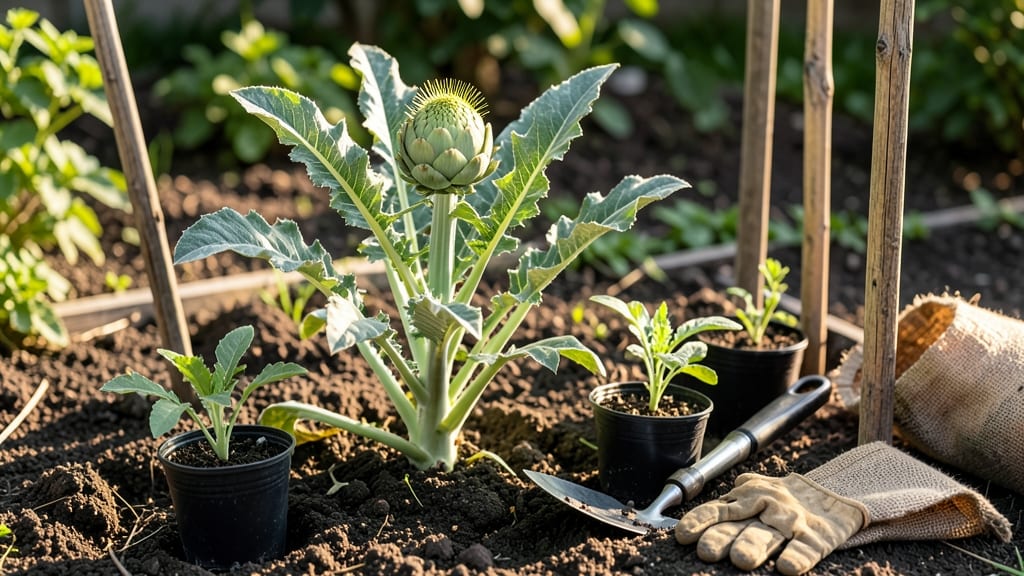
Timing your artichoke planting in Zone 7 could mean the difference between a thriving 🍃 harvest and a sad, frost-nipped failure. Unlike annuals that bounce back, artichokes are perennials—meaning they’ll reward you for years if you get their schedule right, but punish you just as long if you don’t.
Most gardeners in Zone 7a-7b assume spring is the only option, but late summer planting can actually give you an earlier harvest next year. The key lies in understanding your microclimate—coastal areas have milder winters, while inland spots face harder freezes—and adjusting your calendar accordingly.
I’ll break down the exact 4-6 week window before your last frost date (typically mid-March) for spring planting, plus why August is your second chance for fall starts. We’ll also cover soil prep secrets to ensure your artichokes take root before winter sets in.
Whether you’re a first-timer or a seasoned grower, these Zone 7-specific strategies will help you avoid the most common mistakes—like planting too early or ignoring soil warmth—that sabotage even the most well-intentioned gardeners.
Optimal artichoke planting windows in Zone 7: spring vs fall timing guide
Zone 7 gardeners enjoy a 180-200 day frost-free season, perfect for growing artichokes—but timing is everything. Plant too early, and cold snaps damage seedlings. Too late, and your harvest shrinks. Let’s pinpoint the exact windows for zero frost risk in both spring and fall.
Artichokes need soil temperatures above 60°F to germinate and thrive. In Zone 7, this typically means waiting until mid-March for spring or late August for fall. Coastal areas can plant 2-3 weeks earlier, while inland regions should wait until soil warms fully.
Here’s the critical data you need to avoid common mistakes:
| Planting Window | Zone 7a (Colder) | Zone 7b (Warmer) | Soil Temp Threshold | Frost Risk |
|---|---|---|---|---|
| Spring Planting | April 1-15 | March 15-April 1 | 60°F+ | Low (after last frost) |
| Fall Planting | August 15-Sept 1 | August 1-August 15 | 65°F+ | Moderate (early frost risk) |
| Indoor Start (Transplant) | Feb 15-March 1 | Feb 1-Feb 15 | 70°F+ | None (controlled) |
*Adjust dates 1-2 weeks earlier for coastal Zone 7 areas.
For spring planting, aim to transplant seedlings 4-6 weeks before your last frost date. In Zone 7, this usually lands in late March to early April. Use a soil thermometer to confirm temps are consistently above 60°F—cold soil delays germination and weakens roots.
Fall planting is trickier. Start seeds 8-10 weeks before your first frost (typically late August in Zone 7). The goal is to establish roots before temperatures drop below 50°F at night. Use black plastic mulch to extend the season by 2-3 weeks and protect young plants.
Pro tip: Check your local frost dates using the Almanac’s Frost Calculator (free online). Even a 28°F night can kill artichoke seedlings, so plan accordingly. Coastal areas like San Francisco can plant 2-3 weeks earlier than inland spots like Raleigh.
Artichokes are perennial in Zone 7, meaning they’ll regrow each year if protected. However, their first-year harvests are smaller—focus on establishing strong roots. Mulch heavily in winter to insulate roots from freeze-thaw cycles, which can damage them.
If you’re in Zone 7a (colder), prioritize spring planting for reliable harvests. Zone 7b gardeners can experiment with fall starts but must monitor weather closely. Either way, transplant mature seedlings (not seeds) for faster, stronger growth.
Remember: Soil prep is 50% of success. Amend your garden bed with compost and aged manure before planting—artichokes are heavy feeders and need rich, well-draining soil to thrive. A pH of 6.5-7.5 is ideal.
Ready to plant? Bookmark these dates and start your seeds indoors by February 15 for spring, or July 15 for fall. Your first artichokes could be ready by June or July!
Optimal artichoke planting windows in Zone 7: spring vs fall timing guide
Zone 7’s mild winters and long growing season make it ideal for artichokes—but timing is everything. Plant too early, and frost will damage tender seedlings. Too late, and your harvest shrinks.
The sweet spot is 4-6 weeks before your last frost date, typically mid-March to early April for spring planting.
For fall planting, aim for late summer (August) to give plants time to establish roots before cooler weather. Artichokes are perennial in Zone 7, so with proper timing, they’ll reward you with harvests for years. Let’s break down the exact windows and microclimate tweaks to avoid common mistakes.
| Planting Window | Zone 7a (Colder) | Zone 7b (Warmer) | Soil Temp Threshold | Key Consideration |
|---|---|---|---|---|
| Spring Planting | March 15–April 1 | March 20–April 10 | 50–60°F (10–15°C) | Wait until nighttime temps stay above 40°F (4°C). |
| Fall Planting | August 1–15 | August 10–25 | 60–70°F (15–21°C) | Transplant 6–8 weeks before first frost. |
| Indoor Start | February 1–15 | February 10–20 | 65–75°F (18–24°C) | Start seeds 8–10 weeks before transplanting. |
Zone 7’s sub-zones matter. In 7a (colder), like parts of Virginia or Missouri, stick to the earlier dates. In 7b (warmer), such as North Carolina or Tennessee, you’ve got a 2-week buffer. Use a soil thermometer to confirm readiness—artichokes won’t germinate below 50°F (10°C).
Microclimates add another layer. Coastal areas (e.g., North Carolina’s Outer Banks) have milder winters, so you can plant 2 weeks later than inland zones. Conversely, inland 7a zones (like West Virginia) may need row covers for early spring plantings to shield from late frosts.
Pro tip: Check your last frost date via the USDA Plant Hardiness Zone Map or local Cooperative Extension Service. Then, count backward: 6 weeks for seedlings, 8 weeks for indoor starts. This ensures your artichokes hit the ground running when temps stabilize.
Remember, artichokes are slow starters but long-term producers. A well-timed spring planting can yield harvests for 2–3 years, while fall plantings may produce lighter crops but extend your season. Balance your goals with your local frost calendar for the best results.