
Trees
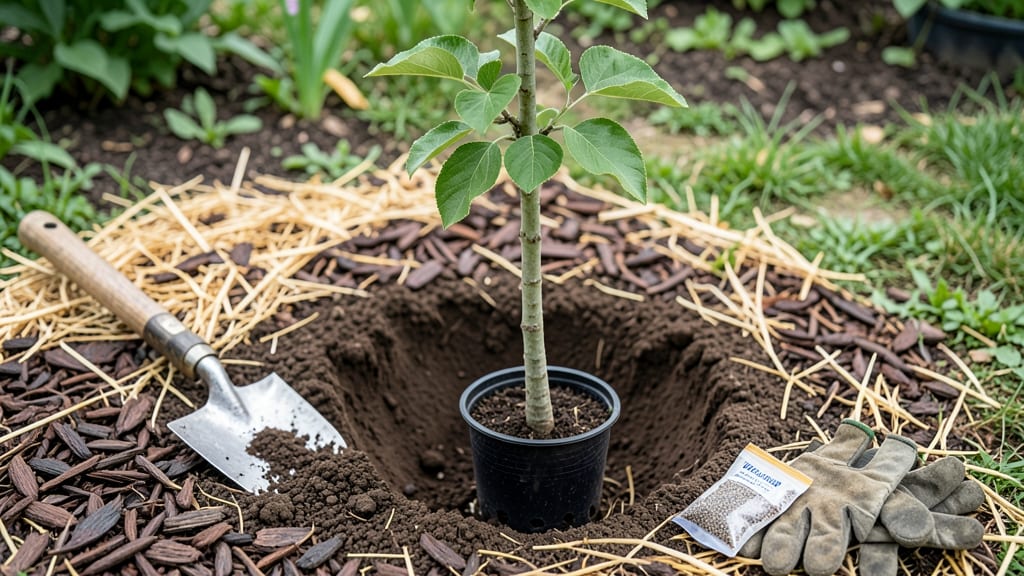
Timing the planting of your 🍎 apple tree in South Carolina can mean the difference between a thriving orchard and a struggling sapling—especially when you’re dealing with the state’s unpredictable frost patterns and varying chill-hour zones.
If you’ve ever wondered why some apple trees in your neighborhood flourish while others barely survive, the answer likely lies in when they were planted.
South Carolina’s warm winters and humid summers demand precise timing, and getting it wrong could leave your young tree struggling to establish roots or even perishing before it bears fruit.
In this guide, I’ll break down the science behind the best months to plant apple trees in SC—whether you’re in the cooler Upstate or the milder coastal regions—plus how to match your variety to your local chill hours for maximum success.
You’ll discover the exact frost-free windows to aim for, how to prepare your soil for SC’s unique climate, and the common mistakes that could sabotage your tree before it even takes root. Let’s get started!
South Carolina’s chill-hour zones: matching apple varieties to your location
South Carolina’s diverse climate creates unique growing challenges for apple trees. Unlike northern states, SC’s chill-hour requirements vary dramatically from the Upstate’s cooler mountains to the coastal Lowcountry’s mild winters.
Understanding your USDA zone (7b–8a) and chill-hour range (300–900 hours) is the first step to selecting varieties that will thrive—and actually produce fruit.
Apple trees need chill hours—prolonged exposure to temperatures between 32°F and 45°F—to break dormancy and set fruit. In SC, this means low-chill varieties (300–500 hours) for coastal areas and moderate-chill (600–800 hours) for the Upstate.
Choosing the wrong variety can leave you with a tree that leaves out but fails to fruit, a frustrating (and expensive) mistake.
Here’s how to match your location to the perfect apple tree:
| Chill-Hour Zone | Recommended Apple Varieties | Frost Tolerance | Planting Window | Key Considerations |
|---|---|---|---|---|
| 300–400 hrs (Lowcountry: Charleston, Beaufort) | ‘Anna’, ‘Dorsett Golden’, ‘Ein Shemer’ | Moderate (needs winter protection) | January–February | Avoid late frosts; mulch heavily |
| 400–600 hrs (Midlands: Columbia, Florence) | ‘Gala’, ‘Fuji’, ‘SweeTango’, ‘Zestar!’ | Good (handles occasional light frost) | November–December or February–March | Well-draining soil critical; prune for airflow |
| 600–800 hrs (Upstate: Greenville, Spartanburg) | ‘Honeycrisp’, ‘Jonagold’, ‘Mutsu’, ‘Pink Lady’ | High (survives hard frosts) | November–December or late February | Cross-pollination often needed |
| 800–900 hrs (Mountain regions: Caesars Head) | ‘Granny Smith’, ‘McIntosh’, ‘Red Delicious’ | Very high (cold-hardy) | November–December | May need winter protection if young |
For example, if you live in Charleston (Lowcountry), planting a ‘Honeycrisp’ (800+ hours) will likely result in a tree that blooms but never sets fruit. Instead, opt for ‘Anna’ (300 hours), which thrives in your mild winters.
Meanwhile, Upstate gardeners can grow ‘Pink Lady’ or ‘Mutsu’ with confidence, thanks to their cooler climate.
Pro tip: Check your exact chill hours using the SCDA’s Chill-Hour Calculator or a home weather station. Many nurseries in SC now label varieties with their chill-hour requirements—always ask before buying! This small step can save you $100+ and years of disappointment.
Once you’ve selected the right variety, the next critical step is timing your planting to align with SC’s unpredictable frost patterns. We’ll cover that in the next section, including how to calculate your frost-free window and avoid the April frost trap that catches so many gardeners off guard.
Optimal planting months in SC: frost-free timelines by region
South Carolina’s diverse climate—from the cool mountain air of the Upstate to the mild coastal breezes of the Lowcountry—means your planting window depends entirely on where you live. Unlike northern states, SC’s USDA Zones 7b–8a offer extended growing seasons, but frost still plays a critical role in timing.
The key is planting when soil temperatures dip below 60°F but before buds begin to swell in spring.
For most of South Carolina, the ideal planting window spans November through early March, aligning with the dormant season when trees experience minimal stress. This period ensures roots establish before the heat of summer or the risk of late frosts in spring.
However, coastal areas like Charleston face unique challenges due to delayed frost dates—sometimes as late as March—so timing is even more precise there.
📅 Use this rule of thumb: Plant 6–8 weeks before your average last frost date (typically mid-March in the Upstate, late February in the Midlands, and January in the Lowcountry). This gives roots time to anchor before the growing season kicks in. For example, if your last frost is March 15, aim to plant by mid-January to avoid spring’s unpredictable cold snaps.
Here’s how to break it down by region, including the best months and critical deadlines to avoid:
Plant in November–December or February–March. Avoid April due to late frosts that can damage emerging buds.
Best window: December–January or late February. Prioritize post-holiday soil prep for easier planting.
Plant January–February only. Coastal frost risk extends into March—delaying planting increases stress on young roots.
Use the SCDA’s Frost Probability Map (available at SCDA website) to pinpoint your exact last frost date and refine your schedule.
If you’re planting bare-root trees, late winter (February) is perfect—they’re dormant and easier to handle. For container-grown trees, you have more flexibility but still avoid summer heat. Water deeply after planting, and mulch with 3–4 inches of organic matter to retain moisture and regulate soil temperature.
Remember: Early spring planting (March–April) is riskier in SC due to unpredictable late frosts that can kill tender new growth. By sticking to these regional timelines, you’ll give your apple tree the best shot at thriving in South Carolina’s unique climate. 🌱