
Trees
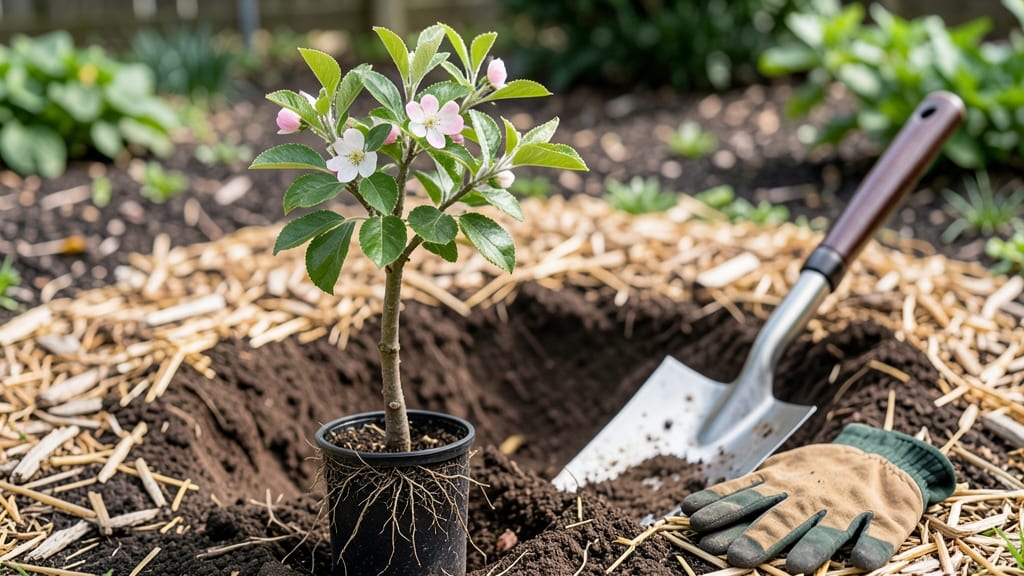
Planting an Apple Tree 🍎 in Maine isn’t just about grabbing a sapling—it’s about timing it right to beat those brutal winters. Miss the window, and your young tree could freeze before it even takes root, leaving you with a sad, brown stump instead of a future harvest.
Here’s the secret: Maine’s 5b-6b climate gives you two prime chances—early spring (April to early May) or early fall (September to early October). But why these months? Spring lets roots establish before summer heat, while fall gives trees time to settle before winter dormancy kicks in.
I’ve seen firsthand how late frosts can wipe out unprotected trees, so I’ll walk you through the exact steps to plant your Apple Tree for success. Whether you’re a beginner or a seasoned gardener, these tips will help you pick the perfect moment and avoid common mistakes.
Let’s dive into the best planting windows, cold-hardy varieties, and pro tips to make sure your orchard thrives—no matter how harsh Maine’s winters get.
Best planting months for apple trees in Maine’s climate zones
Maine’s USDA zones 3-5 mean apple trees face late spring frosts and harsh winters, so timing is everything. Planting too early risks frost damage, while waiting too late gives roots insufficient time to establish before winter.
The optimal windows are early spring or early fall—both offer distinct advantages for cold-hardy varieties.
For bare-root trees, early spring (late April to early May) is ideal because soil thaws and roots can establish before summer heat. If you prefer container-grown trees, early fall (late September to early October) allows roots to settle before winter dormancy.
Coastal Maine’s milder microclimates may extend these windows by 1-2 weeks compared to inland areas.
Here’s how Maine’s frost-free days and soil temperature thresholds influence planting:
| Planting Window | Best For | Soil Temp | Frost Risk | Root Establishment |
|---|---|---|---|---|
| Early Spring (April–May) | Bare-root trees | 45–55°F | High (late frosts) | 6–8 weeks before summer |
| Early Fall (Sept–Oct) | Container-grown trees | 50–60°F | Low (post-harvest) | 4–6 weeks before frost |
Spring planting gives trees a head start to develop roots before summer’s heat stress, but it requires vigilance against late frosts.
Inland Maine’s Zone 4 areas (e.g., Bangor) may experience frosts until mid-May, so plant after the last frost date—typically May 15—or use frost blankets for young trees. Coastal zones (e.g., Portland) are slightly safer, with frosts tapering off by early May.
Fall planting, while less common, works well for container-grown trees because roots can establish without competing with summer heat. Aim to plant 4–6 weeks before the first frost (usually late September to early October in Maine).
This gives roots time to harden off before winter, reducing transplant shock. Just avoid planting too late—November is risky as roots may not acclimate in time.
Maine’s microclimates play a huge role. Coastal regions (e.g., Bar Harbor) have milder winters and later frosts, while inland valleys (e.g., Augusta) can drop below 0°F. Use a local frost calendar (check the Maine Agricultural Weather Network) to pinpoint your area’s last frost date.
For example, Presque Isle (Zone 4) may need to wait until late May, whereas South Portland (Zone 6) can plant as early as mid-April.
If you miss the ideal windows, don’t despair. Dwarf varieties (like ‘Liberty’) recover faster from delayed planting and are better suited for container growing if you’re unsure about timing. Just prioritize well-draining soil and full sun exposure—these are non-negotiable for Maine’s climate.
For container-grown trees, you can plant up to mid-October in coastal areas, but inland zones should stop by early October.
Pro tip: Mulch heavily (4–6 inches of straw or wood chips) after planting to insulate roots. In spring, this mulch will break down, adding organic matter to the soil.
Pair this with a windbreak (like a fence or evergreen hedge) to protect young trees from Maine’s winter winds, which can desiccate bark and roots.
Timing isn’t just about the calendar—it’s about soil conditions. Test your soil’s drainage by digging a hole and filling it with water; if it drains in under 2 hours, it’s suitable.
If water pools, amend with compost or sand to improve aeration. Apple trees hate soggy roots, so this step is critical in Maine’s heavy clay soils.
Finally, remember that bare-root trees must be planted immediately after purchase—they dry out quickly. If you can’t plant right away, helicopter their roots in a damp cloth and store them in a cool, dark place (like a fridge) for up to 2 weeks.
For container-grown trees, check roots—if they’re circling, trim them to encourage outward growth before planting.
With the right timing and prep, your apple trees will thrive in Maine’s challenging climate—producing juicy, cold-hardy fruit for decades. 🍏🌳
Best planting months for apple trees in Maine’s climate zones
Maine’s USDA hardiness zones 3-5 create unique challenges for planting apple trees. The last frost date typically arrives between mid-May and early June, but coastal areas like Portland often warm up 2-3 weeks earlier than inland regions like Presque Isle.
This timing difference means your planting window must account for both microclimates and soil temperature thresholds—usually 45°F (7°C)—for successful root establishment.
Most Maine gardeners agree that early spring (April to early May) is the safest window for planting bare-root apple trees. This timing allows roots to establish before summer heat arrives, while avoiding late frosts that could damage tender new growth.
However, container-grown trees can also be planted in early fall (September to early October), giving roots time to harden off before winter.
Here’s how Maine’s two main planting seasons compare for apple trees:
| Season | Best Months | Soil Temp | Key Considerations |
|---|---|---|---|
| Spring | April–Early May | 45–55°F (7–13°C) | Avoid late frosts; water deeply after planting |
| Fall | September–Early October | 50–60°F (10–16°C) | Choose container-grown trees; mulch heavily before winter |
If you’re planting in spring, aim for late April in southern Maine or early May in northern regions. This timing gives roots 6–8 weeks of warm soil before summer drought stress begins.
For fall planting, September is ideal—roots will establish before ground freezes, but avoid planting after mid-October, as young trees may not survive winter.
Pro tip: Check Maine’s USDA Plant Hardiness Zone Map for your exact location. Coastal areas (Zone 5a) can plant 2 weeks earlier than inland zones (Zone 4a). Always monitor local frost forecasts—a sudden late frost can devastate newly planted trees.
Never plant apple trees in late spring (June or later). The heat and drought of Maine summers stress young roots, and trees planted too late may struggle to establish before winter. If you miss the spring window, wait until next fall—rushing the process risks failure.
🌱