
Trees
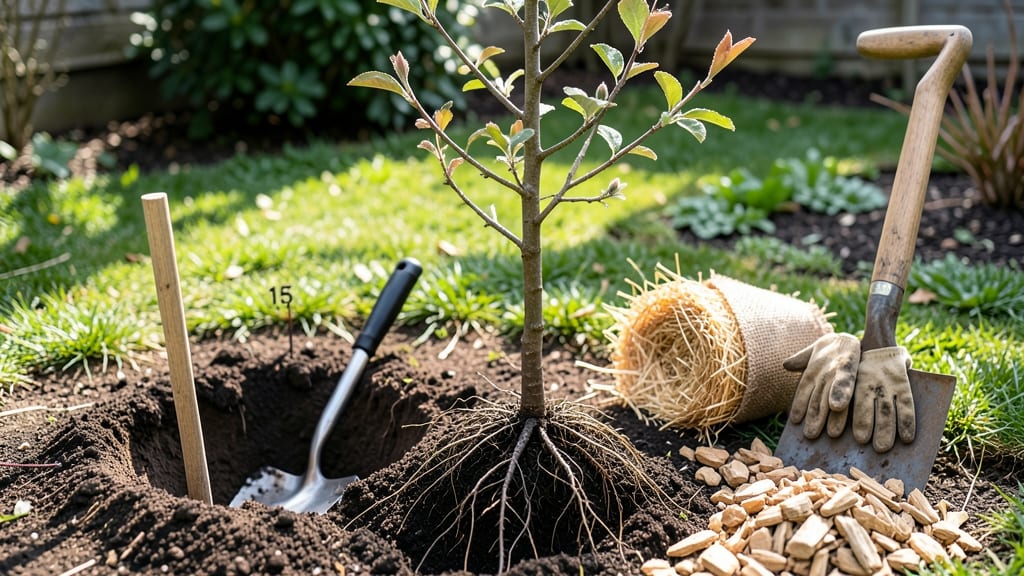
Timing is everything when it comes to planting your 🍎 Apple Tree in Iowa, and getting it wrong could mean frost damage or stunted growth.
With Iowa’s 5a-5b climate, you’ve got two prime windows—early spring or early fall—but choosing the wrong one risks throwing away your hard work before the tree even takes root.
Most gardeners assume spring is the only option, but fall planting actually gives your Apple Tree a head start on root growth before winter sets in.
The key is understanding your local chill hours and last frost date—typically around April 15—to avoid planting too early when the ground is still too cold.
In this guide, I’ll walk you through the exact months to plant based on Iowa’s climate, how to prepare your soil, and which hardy varieties thrive in your zone.
Whether you’re working with bare-root saplings or container-grown trees, you’ll learn the game-changer timing tips that make the difference between a thriving orchard and a sad, struggling sapling.
Ready to get started? Let’s break down the best planting windows, soil prep secrets, and variety recommendations so your 🍎 Apple Tree grows strong and productive for years to come.
Iowa’s best planting months for apple trees based on chill hours
Planting apple trees in Iowa isn’t just about picking a month—it’s about matching your chill-hour needs to your local climate. Iowa’s USDA zones 4-5 require 300-1,000+ chill hours for most varieties, meaning cold winter dormancy is essential.
If you plant at the wrong time, your tree may fail to flower or produce fruit, no matter how hardy the variety.
Most Iowa gardeners succeed with early spring (March-April) or early fall (September-October) planting. Spring planting gives roots time to establish before summer heat, while fall planting lets trees settle in before winter dormancy.
Both windows work, but your last frost date (around April 15) and first frost (October 15) are critical deadlines.
Here’s how to calculate your local chill hours: Use a chill-hour calculator (like the one from the National Arbor Day Foundation) and plug in your ZIP code. For example, Dubuque (Zone 5a) needs ~900 chill hours, while Des Moines (Zone 5b) needs ~700-800.
Match this to your apple variety—Honeycrisp thrives with 600-800 hours, while Jonathan needs 800-1,000+.
Bare-root trees are best planted in early spring (March-April) when the ground is workable but before buds swell. Container-grown trees offer more flexibility—you can plant them year-round except in winter, but spring or fall still gives the best results.
Avoid planting in late spring (May-June), as summer heat can stress young roots.
Iowa’s microclimates add another layer of complexity. Northern Iowa (e.g., Waterloo, Zone 4b) has shorter growing seasons, so prioritize early-maturing varieties like Haralson or Liberty. Southern Iowa (e.g., Ottumwa, Zone 5b) can handle slightly later plantings and varieties like GoldRush or Fuji.
| Planting Window | Best For | Chill Hours Needed | Iowa Varieties |
|---|---|---|---|
| Early Spring (March-April) | Bare-root trees | 600-1,000+ | Honeycrisp, Fuji, Jonathan |
| Early Fall (September-October) | Container-grown trees | 300-800 | Haralson, Liberty, GoldRush |
| Late Spring (May-June) | Avoid (heat stress) | N/A | None recommended |
| Winter (December-February) | Container-grown only | Varies | All (if protected) |
🌱 Pro Tip: Test soil temp—plant when it’s 50°F+ for 3+ days.
If you’re unsure about your chill hours, check your local extension office or use the Iowa State University’s climate maps. For example, Cedar Rapids (Zone 5a) averages 850 chill hours, while Ames (Zone 5b) gets 750-800.
Planting a Honeycrisp in Cedar Rapids is ideal, but a Jonathan might struggle unless you’re in southern Iowa.
Timing also affects root establishment. Trees planted in early spring grow faster in their first season because they have 6-8 weeks of warm soil before summer. Fall-planted trees, however, develop stronger root systems before winter, which can lead to earlier fruiting in years 2-3.
Both methods work—just adjust your watering and mulching accordingly.
One common mistake Iowa gardeners make is planting too late in spring (after May 15). By then, summer heat can dry out young roots before they establish.
If you miss the spring window, fall planting (September-October) is your next best option—just ensure the tree has 4-6 weeks to root before frost. Use a root stimulator like mycorrhizal fungi to boost early growth.
For container-grown apple trees, flexibility is key. You can plant them year-round except in winter, but spring or fall still gives the best results. If you plant in late summer (August), water deeply every 5-7 days to prevent transplant shock.
Always remove the container and loosen roots before planting to encourage outward growth.
How to avoid frost damage: soil temperature and timing tips for Iowa gardeners
Planting apple trees in Iowa requires more than just picking a month—it’s about soil temperature, frost dates, and microclimates. Young trees are especially vulnerable to late frosts, which can kill tender roots and shoots.
The key is planting when the ground is warm enough (50°F+) but before the last frost date (usually around April 15 in most of Iowa).
Iowa’s USDA Zones 4-5 mean your tree must endure freezing winters, but spring planting gives roots time to establish before summer heat. Container-grown trees can be planted slightly later than bare-root varieties, but never after June 1—they won’t have enough time to root before winter.
🌱 Pro Tip: Use a soil thermometer to check depth (6 inches down). Plant when temps stay above 50°F for 3-5 days straight. This ensures roots won’t shock and die in a sudden cold snap.
⚠️ Critical Warning: Late Spring Frosts Are Deadly
Iowa’s April frosts can still hit hard. If planting in March-April, monitor the National Weather Service’s frost alerts. Use row covers or burlap wraps for extra protection on young trees until they’re 3-4 feet tall.
Avoid planting after May 1—new roots won’t harden in time for winter, and the tree may struggle to survive.
For fall planting (September-October), aim to get trees in the ground 4-6 weeks before the first frost (usually October 15). This gives roots time to establish before dormancy. Mulch heavily (4-6 inches of straw or wood chips) to insulate roots from freeze-thaw cycles.
Bare-root vs. container-grown? Bare-root trees are cheaper and easier to plant in early spring, but container-grown trees can be planted year-round (except winter). If using containers, soak roots in water for 1-2 hours before planting to reduce transplant shock.
Microclimates matter! South-facing slopes warm up faster than low-lying areas. If your yard is prone to cold air pooling, plant on a slight hill or near a south-facing wall for extra warmth. Avoid low spots where frost lingers longer.
Finally, water deeply after planting—15-20 gallons per tree—to help roots settle. Mulch again in late fall to protect against winter temperature swings. With these steps, your apple tree will survive Iowa’s extremes and thrive for decades. 🍎