
Plants
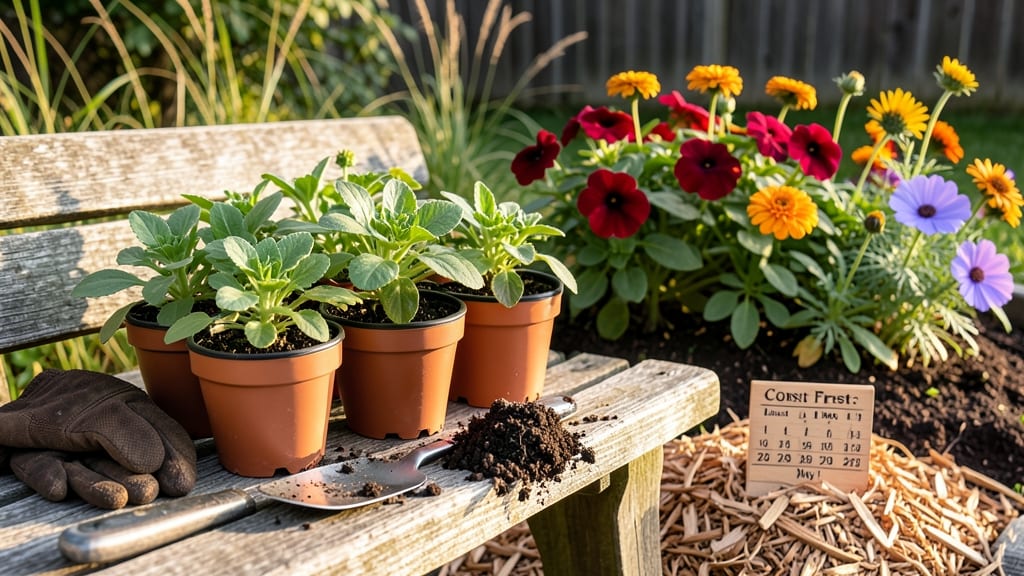
Knowing when to plant annuals in Connecticut is the difference between a garden that bursts with color by summer and one that struggles through late frosts. With Zone 6b’s unpredictable spring weather, timing is everything—especially when you’re waiting for those mid-April last-frost dates to finally arrive.
Whether you’re dreaming of vibrant 🌸 marigolds or crisp bush beans, planting too early can leave your annuals wilted by surprise frost. But get it right, and you’ll enjoy blooms from May through October—even in Connecticut’s shorter growing season.
I’ll break down the exact windows for warm-season vs. cool-season annuals, plus pro tips to stretch your planting season. No more guesswork—just lush gardens that thrive all season long.
Ready to turn your CT yard into a blooming paradise? Let’s dive into the frost-free timeline that works for your zone.
Connecticut planting timeline for annuals by Zone 6b & 7a
Timing your annuals correctly in Connecticut means the difference between a vibrant summer garden and wilted seedlings lost to frost. With Zone 6b (northern CT) and Zone 7a (southern CT), your frost-free dates can vary by 2-3 weeks.
Hartford typically sees its last frost around May 1, while Stamford may warm up by April 20—plan accordingly!
For warm-season annuals like tomatoes, peppers, and marigolds, wait until after May 15 in Zone 6b. In Zone 7a, you can start as early as April 30 for heat-loving varieties. Cool-season annuals (e.g., pansies, lettuce) can handle light frosts and should go in by April 1—just cover them if temps dip below 25°F.
🌱
| Zone & Region | Last Frost Date | Warm-Season Planting Window | Cool-Season Planting Window | Fall Planting Window |
|---|---|---|---|---|
| Zone 6b (Hartford, Enfield) | May 1 | May 15–June 15 | March 15–April 15 | August 1–September 1 |
| Zone 7a (New Haven, Stamford) | April 20 | April 30–June 1 | March 1–April 1 | July 15–August 15 |
| Coastal (Groton, New London) | April 10 | April 20–May 30 | February 28–March 31 | July 1–August 1 |
Use these dates as a starting point, but always check your local frost forecast before planting. The National Weather Service or Old Farmer’s Almanac are reliable sources.
For heat-tolerant annuals like okra or sweet potatoes, you can push Zone 6b plantings to June 1—just expect a shorter harvest window.
Pro tip: Test your soil temperature with a thermometer. Most warm-season annuals need soil at 60°F+ to germinate. In Zone 6b, this often means waiting until late May for direct sowing. Transplants can handle slightly cooler soil, so start them indoors by April 1 for an earlier edge.
If you’re in a microclimate (e.g., urban heat island or valley), your garden may warm up 1-2 weeks earlier than the average. Observe nearby blooming lilacs or forsythia—when they’re fully in bloom, it’s safe to plant cool-season annuals.
For warm-season crops, wait until after the lilacs drop their petals.
🌿
For fall annuals, aim to plant by August 1 in Zone 6b and July 15 in Zone 7a. This gives flowers like cosmos and zinnias time to mature before first frost.
In Zone 7a, you can even squeeze in a second planting of warm-season veggies (e.g., bush beans) in early July for a late-summer harvest.
Remember: Container gardening gives you more flexibility. Potted annuals warm up faster and can be moved to protected spots if frost threatens. Just ensure containers have drainage holes and use lightweight potting mix to prevent overheating.
🌸
How to adjust planting times for Connecticut’s microclimates
Connecticut’s diverse landscapes mean your planting timeline should vary based on whether you’re in a coastal, urban, or inland valley area. Coastal regions like Stamford often experience milder springs, while inland areas like Hartford can see late frosts well into May.
Even a few miles inland can shift your frost-free date by 1-2 weeks, so adjust accordingly.
For Zone 6b gardeners, I recommend waiting until May 15 to plant heat-loving annuals like tomatoes and peppers, even if your neighbors start earlier. In Zone 7a, you can push that window to mid-April for early varieties.
Always check your local almanac or use a soil thermometer—ideal soil temps for warm-season crops are 60°F+.
Use row covers or cold frames to extend your planting window by 2-3 weeks in spring and fall. These protect young plants from late frosts while letting sunlight through. For example, I’ve successfully planted cosmos and zinnias under row covers in early April, giving them a 3-week head start before removing the cover.
Urban gardens often face heat islands—areas that stay warmer than rural zones. If your garden is surrounded by pavement or buildings, plant heat-tolerant varieties like portulaca or four o’clocks, which thrive in hot, dry conditions.
Conversely, coastal areas may have cooler microclimates, allowing for earlier plantings of cool-season crops like lettuce or pansies.
Test your soil temperature with a digital thermometer—it’s the most reliable way to determine readiness. For warm-season annuals, wait until the soil reaches 60°F at a depth of 2 inches.
In Zone 7a, this typically happens by mid-April, while Zone 6b may not hit that mark until early May.
Finally, monitor your local weather forecasts for frost warnings even after your usual last frost date. I’ve had late-May frosts in my Zone 6b garden, so I always keep row covers handy for a 2-week buffer after the average last frost date. Planning ahead saves your plants—and your patience! 🌱