
Plants
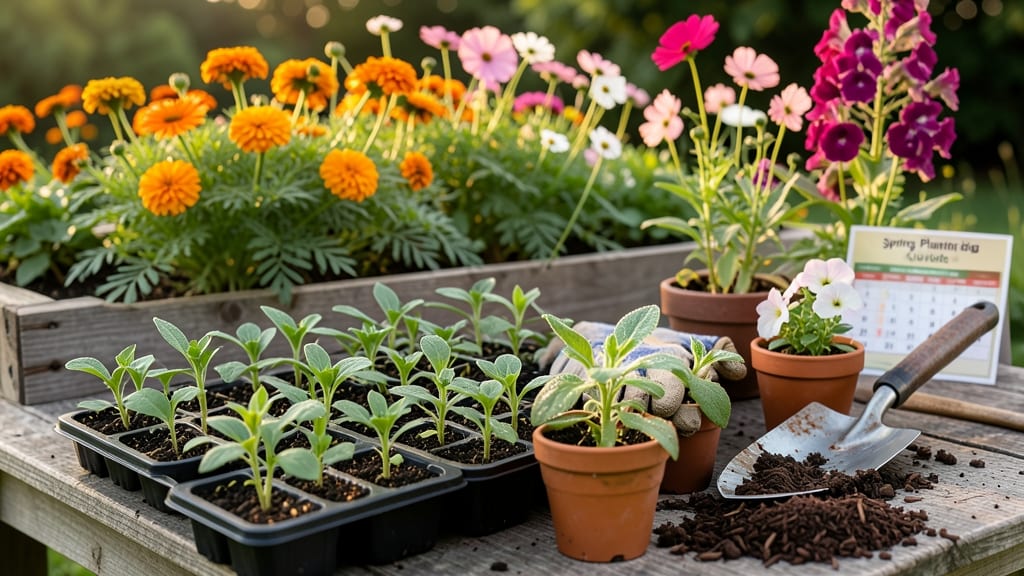
Timing is everything when it comes to planting annuals in Maryland—get it wrong, and your 🌸 could wilt before they even take root. The key isn’t just knowing the calendar dates but understanding how Maryland’s 7a-8a climate zones and unpredictable frost patterns play into your garden’s success.
Most gardeners in Maryland wait until after the last frost—typically around April 15—to plant warm-season annuals like tomatoes or marigolds. But if you’re eager to start earlier, cool-season varieties like pansies or lettuce can handle Maryland’s chilly spring mornings.
The trick? Monitoring soil temperatures and local frost forecasts to avoid those late surprises that can turn your green thumb into a wilted disappointment.
In this guide, I’ll break down the exact planting windows for Maryland’s two main seasons—spring and fall—so you can maximize your garden’s potential.
Whether you’re in Baltimore’s coastal zone or Western Maryland’s inland areas, these tips will help you plant with confidence and keep your annuals thriving from March 15 to September 15.
Ready to transform your yard into a year-round bloom? Let’s dive into the frost-free timeline that works for your specific county—and keep those 🌸 flourishing all season long.
Maryland’s frost-free dates by heat Zone: when to plant annuals safely
Maryland’s USDA Hardiness Zones 5b-7a mean frost dates vary dramatically across the state—from mid-April in Baltimore to early May in Western Maryland. Planting too early risks frost damage, while waiting too long shortens your blooming season. Understanding your local frost window is key to maximizing your annuals’ potential.
Most Maryland gardeners rely on average last frost dates, but microclimates—like urban heat islands or coastal areas—can shift these by 1-2 weeks. For example, Annapolis typically sees its last frost on April 15, while Cumberland waits until May 1.
Always check soil temperatures (aim for 60°F+) before planting warm-season annuals.
🌱 Maryland’s Frost-Free Timeline by Zone:
| Zone | Last Frost Date | First Frost Date | Spring Planting Window | Fall Planting Window |
|---|---|---|---|---|
| 5b (Western MD) | May 1 | October 15 | May 15–June 1 | August 1–September 1 |
| 6a (Central MD) | April 20 | October 20 | April 25–May 15 | August 10–September 10 |
| 7a (Baltimore/DC) | April 15 | October 10 | April 20–May 10 | August 15–September 15 |
| 7b (Coastal MD) | April 10 | October 5 | April 15–May 5 | August 20–September 20 |
For cool-season annuals like pansies or lettuce, you can plant 4-6 weeks before your last frost—even in late winter. Harden off seedlings by acclimating them outdoors for 1-2 weeks before transplanting. In Zone 7a, this means starting seeds indoors by March 1 for early spring blooms.
Warm-season annuals—such as tomatoes, marigolds, and basil—need consistent warmth. Wait until soil temps reach 60°F+ (usually mid-May in most of Maryland) and use row covers if nighttime temps dip below 50°F. Coastal areas can plant 1-2 weeks earlier due to milder microclimates.
Fall planting offers a second blooming season for annuals like cosmos or zinnias. Start seeds indoors by July 1 for Zone 7a or direct-sow by August 15 to enjoy flowers until first frost.
Always check seed packet instructions—some varieties (like sunflowers) need 90+ days to mature and won’t finish in a short Maryland fall.
Pro tip: Use frost cloth to extend your season. It can push back first frost by 2-3 weeks, giving you extra time for warm-season crops like peppers or eggplants. Just remove it during the day to avoid overheating plants.
🌿 Key Takeaway: Maryland’s frost dates aren’t set in stone—always monitor local forecasts and soil temps. When in doubt, plant later than earlier; annuals are replaceable, but frost-killed seedlings aren’t.
Best annual flowers and vegetables for Maryland’s short growing season
Maryland’s short growing season means choosing the right annuals can mean the difference between a bountiful garden and a disappointing one. Cool-season plants like pansies and lettuce thrive in early spring, while marigolds and tomatoes need warmer soil.
The key is planting fast-growing varieties or using succession planting to stretch your harvest.
For spring planting, focus on cold-hardy annuals that can handle light frosts. Examples include calendula, snapdragons, and radishes, which germinate quickly in 50-60°F soil. In fall, opt for heat-tolerant flowers like cosmos and zinnias that bloom until first frost in October.
🌱 Top Annuals for Maryland’s Climate
- 🌼 Marigolds – Heat-loving, repels pests, blooms June-October
- 🥔 Tomatoes – Warm-season, plant after last frost (mid-April)
- 🌿 Basil – Fast-growing, thrives in 60-75°F soil
- 🌻 Sunflowers – Tall and drought-tolerant, great for late summer
- 🌷 Pansies – Cold-hardy, blooms spring and fall
- 🍅 Peppers – Warm-season, needs 70°F+ soil
- 🌺 Zinnias – Drought-resistant, attracts pollinators
Succession planting is a game-changer for Maryland gardeners. Instead of planting all lettuce or radishes at once, sow small batches every 2 weeks from March to July. This ensures a continuous harvest before summer heat sets in.
For warm-season crops like beans and cucumbers, start seeds indoors in March and transplant after last frost.
If you’re a late starter, don’t despair! Heat-tolerant varieties like okra, sweet potatoes, and black-eyed Susans can still thrive if planted by mid-June. These fast-maturing annuals give you a second-chance harvest before fall frost.
For container gardening, choose compact annuals like petunias, strawberries, or cherry tomatoes. These do well in pots on patios and can be moved to extend their season. Just ensure your containers have drainage holes and use lightweight potting mix to prevent root rot.
Pro tip: Use mulch to regulate soil temperature and retain moisture. A 2-inch layer of straw keeps roots cool in summer and warm in spring, giving your annuals a longer growing window. 🌱