
Plants
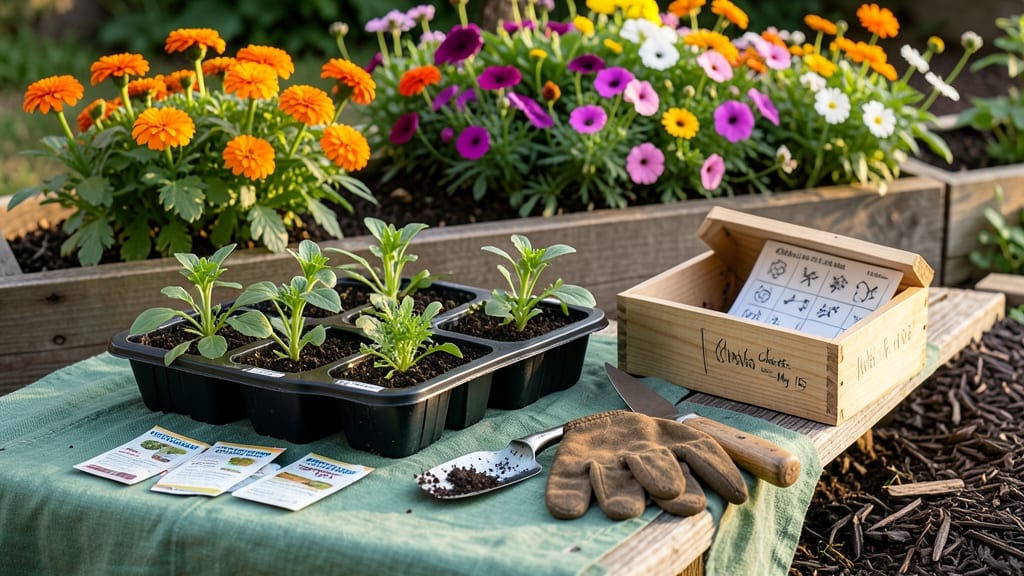
Timing your annuals planting in Chicago wrong could mean wilting blooms or stunted growth before they even take root. The key to fast, vibrant plants lies in understanding soil temperature triggers—something most gardeners overlook.
With Chicago’s unpredictable spring weather, guessing when to plant can turn your garden dreams into a gamble. But by paying attention to soil warmth (not just air temperature), you’ll know exactly when those 🌱 annuals will thrive. Let’s cut through the confusion and get your garden blooming on schedule.
Most gardeners wait too long, risking missed planting windows or fragile seedlings struggling in cool soil. I’ll show you how to test soil temps the easy way and pinpoint the perfect time—whether you’re planting cool-season veggies in April or heat-loving flowers in May.
From last-frost dates to microclimate tricks for urban vs. suburban yards, you’ll learn how to stretch your planting season for nonstop color. Ready to turn your Chicago garden into a showstopper? Let’s dive in.
Chicago’s ideal soil temperature ranges for annual planting success
Chicago’s Zone 5b climate demands precision when planting annuals—soil temperature is your secret weapon against frost surprises. Most cool-season annuals like pansies and snapdragons thrive when soil hits 45°F–55°F, while warm-season favorites such as marigolds and petunias need 60°F+ to germinate reliably.
Testing soil temperature with a simple DIY probe (or digital thermometer) ensures you avoid the late spring frosts that can devastate tender seedlings.
Lake-effect microclimates near Chicago’s shoreline can delay warming by 1–2 weeks compared to inland areas. For example, Evanston’s soil may stay colder longer than Naperville’s due to lake breezes. Always adjust your planting timeline based on your specific neighborhood’s history—local gardeners’ forums are goldmines for this data.
Avoid the temptation to plant early just because air temperatures feel warm. Soil stays cold longer, especially in shady or compacted areas. For instance, coleus and begonias often rot if planted when air is 70°F but soil is still 50°F.
Use mulch or black plastic to warm soil faster in early spring.
Here’s how to test soil temperature accurately: Bury a thermometer 2–3 inches deep in moist soil and check readings at 10 AM (when temps are most stable). If your soil is below 50°F, wait—even heat-loving tomatoes won’t thrive until soil reaches 60°F consistently.
Pro tip: Use row covers or cold frames to extend your planting window by 2–3 weeks for cool-season annuals. These tools create a 5–10°F warmer microclimate, letting you plant spinach or radishes as early as mid-March in protected beds.
If you’re unsure about your soil’s readiness, err on the side of caution. Slow germination is easier to manage than frost-killed seedlings. For example, calendula seeds may take 2 weeks to sprout at 50°F—double the time needed at 60°F.
Patience here pays off with stronger, hardier plants.
Remember: Chicago’s average last frost date is May 15, but late frosts can occur until June 1. Always have row covers on hand for tender annuals like geraniums until the risk passes.
For container gardening, soil warms faster than in-ground beds. Place pots on dark-colored surfaces (like black plastic) or use heating mats to reach ideal temps 1–2 weeks earlier than traditional beds.
Finally, keep a planting journal to track your soil temps and success rates. Over time, you’ll spot patterns—like how your backyard’s soil might warm 3 days faster than your neighbor’s due to sun exposure or wind patterns. This local knowledge is your best defense against Chicago’s whimsical weather.
Month-by-month planting calendar for Chicago annuals (with frost date safeguards)
Chicago’s Zone 5b climate means your planting timeline hinges on last frost dates, which typically fall between April 15–May 1. However, lake-effect microclimates near Lake Michigan can delay frost by 1–2 weeks compared to inland areas.
Always verify your local last frost date using the Midwest Regional Climate Center for precision.
For cool-season annuals like pansies and snapdragons, I start seeds indoors in late February to transplant outdoors by early April. These hardy plants thrive when soil temps reach 45°F–55°F, making them perfect for Chicago’s spring shoulder seasons.
Warm-season favorites like marigolds and zinnias, however, need to wait until after May 15 when soil temps consistently stay above 60°F.
Here’s my foolproof month-by-month guide to align your planting with Chicago’s unpredictable weather patterns. I’ve included frost safeguards like row covers and staggered planting to maximize your bloom time.
Pro tip: Use heat-tolerant varieties like celosia or portulaca if you’re planting late—these thrive in Chicago’s July heat waves (often exceeding 90°F). I’ve also had success with staggered planting of zinnias in early June and again in late July to extend my fall color display.
For container gardening, warm-season annuals can start 2–3 weeks earlier since pots warm up faster. Just move them to protected spots (e.g., near south-facing walls) if nighttime temps dip below 50°F.
Always check the National Weather Service for extended forecasts—Chicago’s flash frosts in May can derail even the best-laid plans.
Remember: First frost typically arrives around October 15, so plan to harvest or bring in tender annuals by early September. Mums and asters are my go-to fall annuals for late-season color.