
Companion Plants
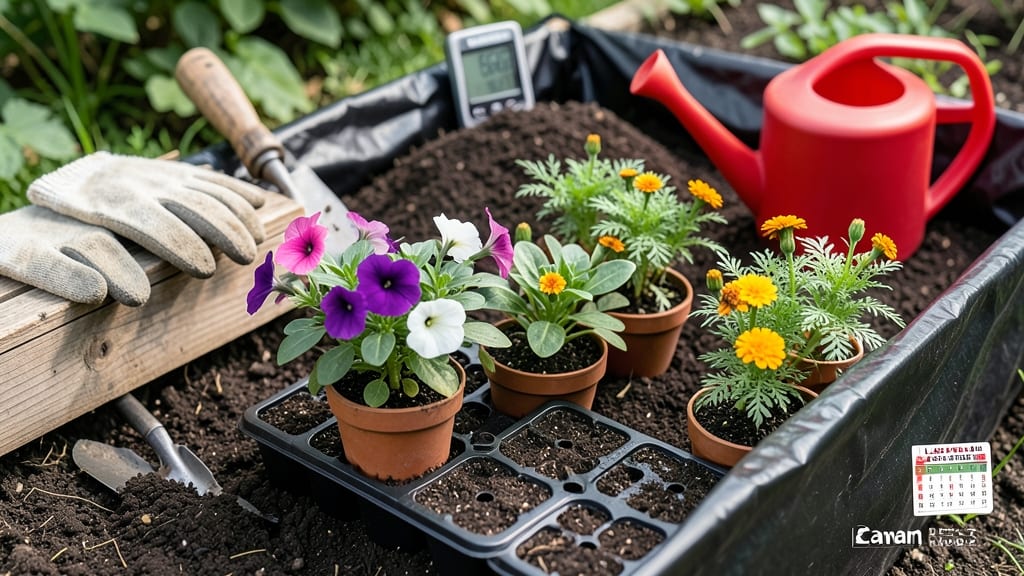
If you're wondering when can I plant annuals in Zone 5, the answer isn't just about dates—it's about soil temperature triggers that unlock fast germination and stronger plants.
In Zone 5, where frost can linger until mid-April, timing your annuals right means the difference between vibrant blooms and wilted disappointment.
Most gardeners wait until after the last frost date (typically late April to mid-May), but some frost-tolerant annuals like petunias or snapdragons can handle cooler soil as long as it's above 50°F.
The key is checking soil warmth—not just the calendar—because cold ground slows growth, leaving your plants vulnerable to late frosts.
In this guide, I'll break down exactly when to plant your favorite annuals—whether you're growing marigolds for pest control or tomatoes for your summer salads—so you can maximize your garden's potential.
You'll learn how to read soil temperature cues, adjust for microclimates, and even extend your growing season with simple tools.
Ready to turn your Zone 5 garden into a thriving oasis? Let's dive into the fastest, most reliable methods to get your annuals off to a flying start—no guesswork required.
Zone 5 soil temperature guidelines for planting annuals by seed type
In Zone 5, the difference between a thriving annual garden and a frost-killed disappointment often comes down to soil temperature. Most annuals won’t germinate until the soil reaches 50°F or warmer, but some need even more heat to sprout reliably.
Understanding these temperature triggers helps you time plantings for faster germination and stronger starts.
Warm-season annuals like tomatoes, peppers, and marigolds require 60-80°F soil to germinate, while cool-season crops such as lettuce, spinach, and kale can start in 40-50°F soil.
In Zone 5, this means waiting until late April or early May for most warm-season plants, but cool-season varieties can often go in 2-3 weeks before the last frost.
Here’s how to use soil temperature to your advantage for optimal planting times in Zone 5:
| Plant Type | Ideal Soil Temp (°F) | Zone 5 Planting Window | Frost Risk |
|---|---|---|---|
| Warm-Season Annuals (Tomatoes, Peppers, Basil) | 60-80°F | Late May - Early June (after last frost) | High (if planted too early) |
| Cool-Season Annuals (Lettuce, Spinach, Kale) | 40-50°F | Early April - Mid-May (2-3 weeks before last frost) | Low (if frost-tolerant varieties) |
| Heat-Loving Annuals (Marigolds, Zinnias, Sunflowers) | 65-75°F | Late April - Early May (soil must be warm) | Moderate (use row covers if frost threatens) |
| Fast-Germinating Annuals (Radishes, Arugula, Nasturtiums) | 50-60°F | Early April or September (for fall harvests) | Low (quick growth reduces risk) |
For warm-season crops, wait until the soil consistently stays above 60°F—this usually aligns with late May in most of Zone 5. Use a soil thermometer to check; morning readings are most accurate.
If your soil is still cool, consider starting seeds indoors or using black plastic mulch to warm the soil faster.
Cool-season annuals are more forgiving and can handle cooler soil temperatures, making them ideal for early spring or fall plantings. For example, spinach and kale can even tolerate light frosts, so you can plant them as early as March in many Zone 5 regions.
Just avoid planting too early—soil that’s still below 40°F will delay germination for weeks.
Microclimates play a huge role in Zone 5. A south-facing bed warms up faster than a north-facing one, so adjust your planting times accordingly.
If you’re in Northern Zone 5 (e.g., Minnesota or Upstate New York), expect later last frost dates—often mid-May—while Southern Zone 5 (e.g., Northern Indiana or Central Ohio) may see frost-free soil by early April.
Pro tip: Use row covers or cold frames to extend your planting window for heat-loving annuals. These tools can raise soil temperatures by 5-10°F, allowing you to plant marigolds or basil as early as mid-April in protected spots. Just remove covers once plants are established to avoid overheating.
For fall plantings, aim to sow seeds 6-8 weeks before your first frost (typically mid-September in Zone 5). Fast-growing annuals like radishes or bush beans can even be planted in late August for a harvest before winter sets in.
Remember, soil temperature is more critical than air temperature for germination. Even if daytime highs reach 70°F, your soil might still be too cold for warm-season seeds. Always check with a soil thermometer before planting to avoid disappointment.
Zone 5 soil temperature guidelines for planting annuals by seed type
In Zone 5, soil temperature dictates whether your annual seeds will sprout or sit dormant. Most warm-season annuals like tomatoes and peppers need soil at 60-70°F to germinate, while cool-season crops such as lettuce thrive at 40-50°F. Understanding these triggers helps you avoid wasted seeds and weak starts.
Your last frost date (typically April 15 in Zone 5) is just one factor. Soil temperature lags behind air temperature—even if daytime highs reach 65°F, soil may still be too cold for warm-season plants. Use these guidelines to time your planting perfectly for fast germination and strong seedlings.
| Plant Type | Ideal Soil Temp (°F) | Zone 5 Planting Window | Notes |
|---|---|---|---|
| Warm-Season Flowers (Marigolds, Petunias, Zinnias) | 60-70°F | After May 1 (soil consistently warm) | Use row covers for earlier starts. |
| Warm-Season Veggies (Tomatoes, Peppers, Cucumbers) | 70-85°F | After May 15 (soil >70°F) | Start indoors 6-8 weeks before last frost. |
| Cool-Season Veggies (Lettuce, Spinach, Kale) | 40-50°F | March 15-April 15 (early spring) or August-September (fall) | Direct-sow seeds for hardier varieties. |
| Cold-Hardy Annuals (Pansies, Snapdragons, Calendula) | 45-55°F | March 1-April 30 (spring) or September-October (fall) | Tolerate light frost for extended blooms. |
For fastest germination, warm your soil with black plastic mulch 1-2 weeks before planting. Test soil temperature with a soil thermometer (insert 2 inches deep) to confirm readiness.
In Northern Zone 5 (e.g., Minneapolis), wait until May 10 for warm-season plants, while Southern Zone 5 (e.g., Kansas City) may start by April 20.
Microclimates matter! South-facing beds warm up 3-5 days earlier than north-facing spots. Use row covers or cold frames to extend your planting window by 2-3 weeks for heat-loving annuals. This trick lets you grow tomatoes or peppers even if your soil is slow to warm.
Pro tip: Pre-warm seed-starting mixes in your oven (set to 170°F for 30 minutes) to jumpstart germination indoors. Pair this with a heat mat (70-75°F) for 90% faster sprouting of warm-season seeds like basil or cucumbers.