Planting
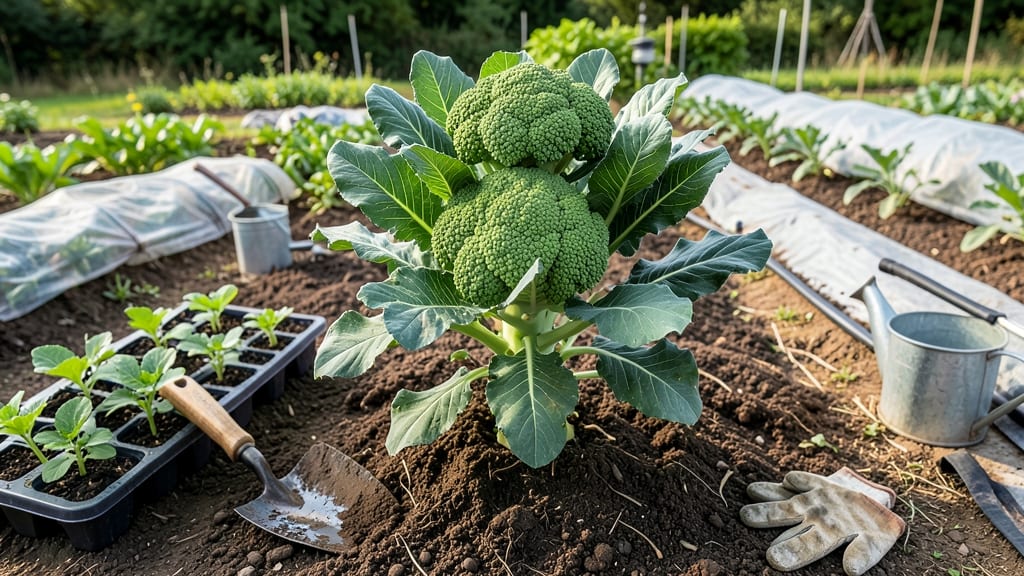
Planting a winter garden in Florida isn’t just possible—it’s one of the best-kept secrets for year-round harvests. With the right timing, you can enjoy crisp lettuce, sweet carrots, and tender kale without worrying about frost.
The key? Understanding how Florida’s unique microclimates—from coastal breezes to inland warmth—create two distinct planting windows for zero frost risk.
Most gardeners assume Florida’s frost-free reputation means planting anytime, but that’s a common misstep. Coastal areas like Miami can start as early as mid-September, while inland zones like Orlando should wait until late October.
Why? Soil temperatures and humidity levels shift dramatically, and planting too soon can lead to leggy, stressed plants that bolt before harvest.
This guide breaks down the exact timing for your region, whether you’re in the humid coastal zones or the slightly drier inland areas. We’ll also cover the top 5 cold-hardy crops that thrive in Florida’s winter gardens and how to protect them from unexpected cold snaps—even in frost-free zones.
Ready to grow a winter garden that outlasts the heat?
By the end, you’ll know not just when to plant, but how to maximize your harvest with succession planting and soil prep tricks tailored to Florida’s climate. Let’s get those winter veggies 🥬 growing!
Optimal planting dates for Florida winter gardens by region (coastal vs inland)
Florida’s winter garden success hinges on understanding your microclimate. Coastal areas like Miami or Tampa enjoy longer growing seasons, while inland zones (e.g., Orlando or Gainesville) experience cooler nights. The key difference? Coastal regions stay 5-10°F warmer than inland areas, delaying the need for cold protection.
For coastal Florida, start sowing leafy greens like spinach and lettuce in mid-September. Broccoli and cabbage—slower to mature—thrive when planted by early October. By November 15, focus on fast-maturing crops like radishes or arugula to avoid early heat spikes.
Inland areas can plant 2-3 weeks later. Begin with heat-tolerant varieties (e.g., Swiss chard or kale) in late September, then transition to broccoli and carrots by mid-October. Avoid planting after November 10—soil temperatures may rise too quickly, causing bolting in greens.
Soil temperature is your best guide: Aim for 60-70°F at planting depth. Use a soil thermometer to check—cooler soils slow germination. Coastal soils stay warm longer, while inland soils may drop below 55°F by December, stalling growth.
Here’s how to align your planting with Florida’s two distinct zones, ensuring zero frost risk and maximum yield:
| Region | Ideal Planting Window | Key Crops | Soil Temp Goal (°F) | Cold Protection Needed? |
|---|---|---|---|---|
| Coastal (Zone 10a-11) | Mid-Sept – Nov 15 | Lettuce, Spinach, Kale, Broccoli, Carrots | 60-70°F | Rarely (use row covers for Jan) |
| Inland (Zone 8a-9b) | Late Sept – Nov 10 | Swiss Chard, Peas, Radishes, Cabbage | 55-65°F | Yes (mulch or frost cloth) |
| North FL (Zone 8a) | Oct 1 – Nov 1 | Turnips, Collards, Mustard Greens | 50-60°F | Always (use row covers) |
Pro tip: Succession plant every 2 weeks after your initial sowing. This ensures a continuous harvest—critical for fast-maturing crops like radishes (30 days) or baby lettuce (25 days).
For example, if you plant lettuce on September 15, follow up with another batch on October 1 and October 15.
Monitor moon phases for optimal planting: Sow root crops (carrots, beets) during the waning moon (after full moon) to encourage downward growth. Leafy greens thrive during the waxing moon (before full moon) for bushier foliage.
Finally, test your soil before planting. Florida’s sandy soils often lack orgainc matter and nutrients. Aim for a pH of 6.0-7.0—most winter crops prefer slightly acidic to neutral soil. Add compost or aged manure 2-3 weeks before planting to boost fertility.
With these region-specific timelines and soil prep, your winter garden will thrive—no frost risk, just bountiful harvests from November through April. 🌱
Optimal planting dates for Florida winter gardens by region (coastal vs inland)
Florida’s winter garden success hinges on microclimates—coastal areas stay warmer than inland zones due to ocean currents. In South Florida (Zones 10-11), you can plant cool-season crops year-round, but North Florida (Zones 8a-9a) sees occasional light frosts.
My rule? Start 6-8 weeks before first frost (or mid-September for most regions) to ensure mature harvests before spring heat arrives.
For coastal gardens, aim for late August to October planting—warmer nights prevent bolting in leafy greens. Inland areas should wait until mid-September to avoid heat stress during Florida’s brief "Indian Summer" spikes.
I’ve found broccoli and carrots thrive when sown in October, while spinach prefers November starts for spring harvests.
| Region | Ideal Planting Window | Key Crops | Soil Temp Goal (°F) |
|---|---|---|---|
| South Florida (Zones 10-11) | Late August - October | Lettuce, Kale, Broccoli, Carrots | 60-75°F |
| Central Florida (Zone 9a) | Mid-September - November | Spinach, Peas, Radishes, Cabbage | 55-70°F |
| North Florida (Zones 8a-9a) | Late September - October | Collards, Turnips, Green Onions, Arugula | 50-65°F |
Soil temperature matters more than air temperature in Florida’s winter garden. For leafy greens, aim for 60-75°F soil—cooler than you’d expect! I test mine with a digital thermometer before sowing seeds. Root vegetables like carrots need 55-65°F to avoid forked growth.
In North Florida, wait until soil cools below 80°F (usually late September
Succession planting is my secret weapon for continuous harvests. For example, sow radishes every 2 weeks from September to December—they mature in 30 days and tolerate light frosts. Meanwhile, broccoli takes 60-80 days, so I stagger plantings in October and November for a spring harvest. Coastal gardeners can extend this into January with row covers. Don’t overlook microclimate pockets—like shady spots under oak trees that stay cooler. These are perfect for heat-sensitive crops like Swiss chard or mustard greens. I’ve grown kale successfully under partial shade in Orlando’s inland heat, while coastal Miami gardeners can grow it in full sun. Always monitor humidity levels—Florida’s winter air holds moisture, which can lead to fungal diseases like powdery mildew. For container gardens, plant 2-3 weeks earlier than in-ground beds—containers cool faster at night. Fill pots with well-draining mix and use black plastic mulch to warm soil in North Florida. My herbs (cilantro, parsley) thrive in 5-gallon containers on patios, even in Zone 9a, when planted by mid-October. Remember: Florida’s winter garden is about balance. Too early, and heat stress kills seedlings; too late, and spring warmth bolts greens. My golden rule? Plant leafy greens by October 15th and root crops by November 1st in most regions. Adjust for your local frost dates—check the National Weather Service for your county’s 10-year averages.