
Plants
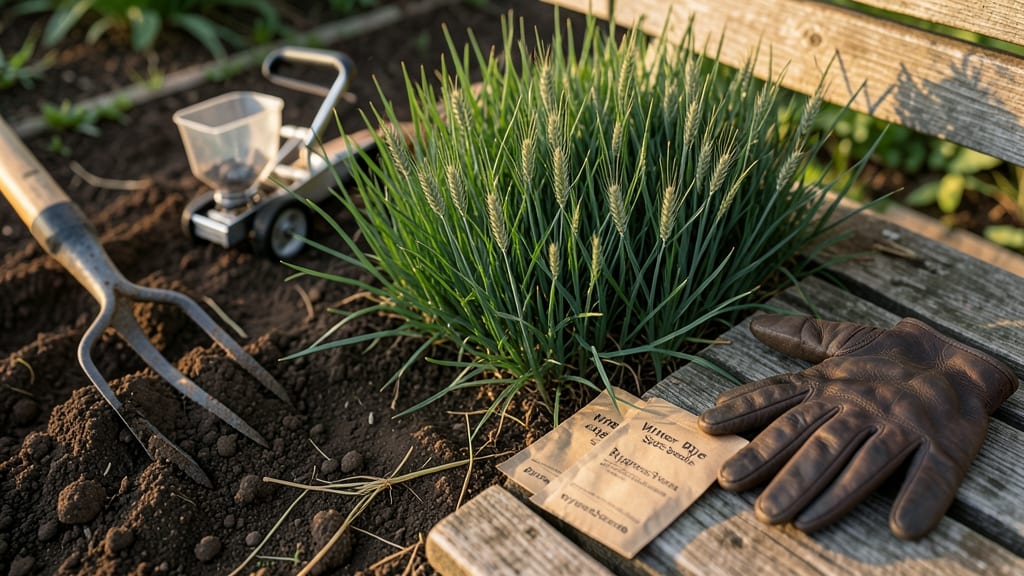
Planting winter grass in Arizona isn’t just about timing—it’s about giving your lawn the best shot at deep roots before the desert heat or winter chill sets in. Miss the September 15-October 15 window, and you risk shallow roots that struggle in Arizona’s intense summers or fail to establish before dormancy.
This two-week period is your golden opportunity to plant 🌱 winter grass when soil temperatures are warm enough for germination but cooling fast enough to avoid heat stress.
In USDA Zone 9b, where monsoon rains taper off and days grow shorter, the clock starts ticking—delay too long, and you’ll battle dry winds or early frosts.
What makes this window so critical? It’s not just about avoiding extremes—it’s about leveraging Arizona’s microclimates. Phoenix’s low desert heat cools faster than Flagstaff’s high desert, so local adjustments matter. The right prep (soil testing, seed choice, and watering) turns this window into your lawn’s strongest foundation.
Ready to skip the guesswork? I’ll walk you through the exact steps to plant winter grass for a lush, drought-resistant lawn—no generic advice, just Arizona-proven tips. Let’s get started.
Why Arizona’s September 15-October 15 window is critical for winter grass success
Arizona’s winter grass thrives when planted between September 15 and October 15—this isn’t random timing. It’s a science-backed window that balances soil warmth, moisture retention, and cooling temperatures for deep root growth.
Plant too early, and your grass faces summer heat stress; too late, and roots won’t establish before winter dormancy.
During this window, daytime temps hover around 80-90°F, while nighttime drops to 60-70°F. This temperature swing is ideal for germination—warm enough to activate seeds but cooling enough to prevent desiccation.
Arizona’s USDA Zone 9b climate makes this timing critical for drought-resistant varieties like Tifway 419 Bermuda grass or ryegrass mixes.
Soil moisture is another key factor. After the monsoon season (July-September), Arizona’s soil retains residual moisture longer, reducing the need for frequent irrigation. Planting in this window lets seeds absorb moisture efficiently without wasting water. By late October, evaporation rates rise, and seeds may dry out before sprouting.
Root development is the make-or-break factor. Grass planted in this window establishes 3-4 inches of roots before winter, making it resilient to Arizona’s dry spells. Roots growing too shallow (from late planting) struggle to reach deep moisture reserves, leading to brown patches by spring.
Arizona’s microclimates add complexity. In Phoenix, the urban heat island effect delays cooling, so aim for early September planting. In Flagstaff, cooler temps push the window to late September-October. Always check your local frost dates—planting 4-6 weeks before first frost ensures roots harden before winter.
Here’s the golden rule: Soil temperature should be 65-75°F at 2 inches deep. Use a soil thermometer to confirm—if temps drop below 60°F, germination slows dramatically. This window also avoids fungal risks from overwatering during Arizona’s humid monsoon transitions.
| Factor | Ideal Condition | Risk if Mismanaged |
|---|---|---|
| Soil Temperature | 65-75°F (2" deep) | Germination failure (<60°F) or heat shock (>80°F) |
| Moisture Retention | High (post-monsoon) | Desiccation (late planting) |
| Root Depth | 3-4 inches before winter | Shallow roots (summer stress) |
| Fungal Risk | Low (cool nights) | Rot (overwatering in heat) |
| Microclimate | Phoenix: Early Sept; Flagstaff: Late Sept | Poor germination (wrong timing) |
Think of this window as a race against time. Seeds need 10-14 days to germinate, and roots need 6-8 weeks to establish. Planting after October 15 risks frost-sensitive varieties like ryegrass struggling to survive winter.
Meanwhile, planting before September 15 exposes young grass to intense afternoon sun, causing heat stress and browning.
Arizona’s drought-resistant grasses, like Bermuda or Buffalo grass, rely on this timing to outcompete weeds. Weeds germinate year-round, but winter grass planted in this window grows faster initially, creating a dense turf barrier that crowds out invaders. This competitive edge is why pros swear by this window.
Pro tip: If you miss this window, don’t panic. Late October planting can still work if you use a starter fertilizer (high in phosphorus) and cover seeds with straw mulch to retain moisture.
Just expect slower establishment and less winter resilience. The September 15-October 15 window is your best shot for a thick, drought-proof lawn.
Remember, Arizona’s summer heat is no joke. Grass planted outside this window often goes dormant by May, leaving bare spots until monsoon rains revive it. By following this timing, you’re not just planting grass—you’re building a resilient ecosystem that survives Arizona’s extremes. 🌡️
Why Arizona’s September 15-October 15 window is critical for winter grass success
Arizona’s September 15-October 15 planting window isn’t random—it’s a science-backed balance of soil warmth, moisture retention, and cooling temperatures that winter grass craves for deep root growth.
Plant too early, and your seeds face summer heat stress; too late, and roots won’t establish before winter dormancy kicks in.
During this window, daytime temps hover around 80-90°F, but nights drop to 55-65°F—perfect for germination without scorching. The soil stays warm enough to activate seeds but cool enough to prevent drought stress. Think of it as the Goldilocks zone for grass roots.
Here’s what happens if you miss this window: Shallow roots (from late planting) or poor germination (from early planting). Both leave your lawn vulnerable to Arizona’s intense sun and drought conditions.
| Factor | Ideal Range | Risk Outside Window |
|---|---|---|
| Soil Temperature | 70-85°F | Seeds won’t germinate (<65°F) or overheat (>90°F) |
| Daytime Temp | 80-90°F | Heat stress (>95°F) or slow growth (<70°F) |
| Nighttime Temp | 55-65°F | Fungal risk (>70°F) or dormancy (<50°F) |
| Moisture Retention | High (monsoon tail) | Drought stress (summer) or waterlogging (winter) |
This window also aligns with Arizona’s monsoon season tail, ensuring consistent moisture without the risk of overwatering that plagues winter planting. The root growth timeline accelerates: by 6 weeks post-planting, roots reach 3-4 inches deep, anchoring your grass before winter sets in.
For Phoenix and Tucson, aim for mid-September to catch the last of the monsoon rains. In Flagstaff or Prescott, shift to late September to avoid early frosts. Microclimates matter—elevations above 5,000 ft cool faster, so adjust your window 1-2 weeks later.
Pro tip: Use a soil thermometer to confirm temps are 70-85°F at 2-inch depth. If it’s cooler, wait—your seeds will thank you with stronger germination and deeper roots. 🌱