
Plants
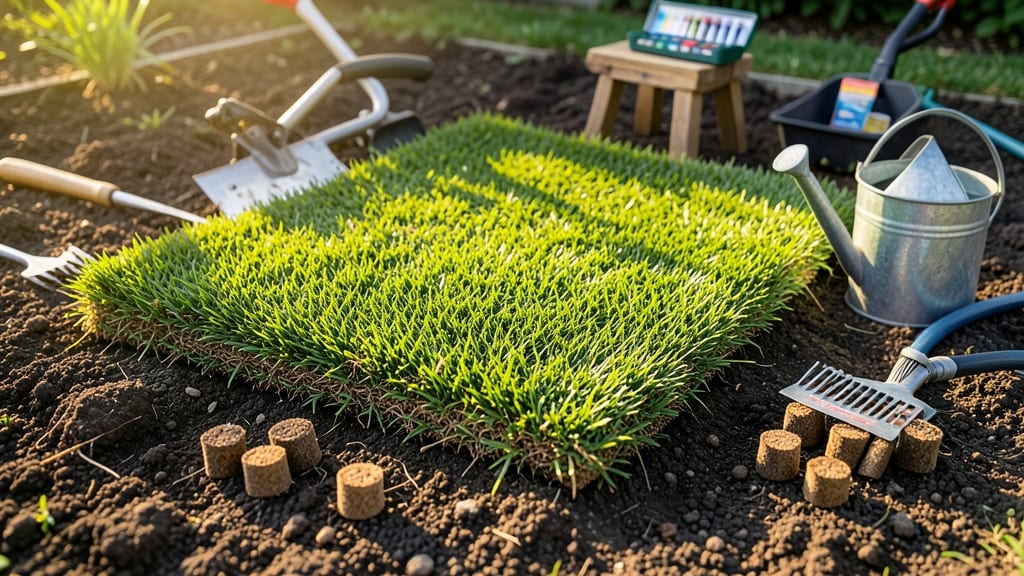
Planting Bermuda Grass 🌱 in Mississippi at the wrong time can mean the difference between a lush, green lawn and months of frustration. The perfect window—late spring to early summer—aligns with Mississippi's 8a-9a climate zones, ensuring your grass thrives when soil temperatures hit the ideal 65°F+ mark.
Why does timing matter so much? Bermuda Grass is a summer lover, and planting it too early risks frost damage, while waiting too long can leave your lawn vulnerable to weeds.
I’ll break down the exact frost-free timeline for Mississippi’s regions and how to prep your soil for fast establishment—no guesswork needed.
Mississippi’s heat and humidity can be both a blessing and a challenge for Bermuda Grass. The right planting strategy helps it beat summer stress, fungal risks, and drought.
Whether you’re overseeding or starting fresh, these tips will give your lawn the competitive edge it needs to outlast weeds and stay vibrant.
Ready to transform your yard into a durable, drought-resistant oasis? Let’s dive into the step-by-step guide that Mississippi gardeners swear by for a lawn that looks effortless—even when the heat is on.
Optimal planting windows for Bermuda grass in Mississippi by region
Mississippi’s diverse climate zones—from the cooler Northern regions to the hotter Southern areas—mean your Bermuda grass planting timeline should align with local frost-free dates and soil warmth.
For Northern Mississippi (USDA Zone 8a), like Tupelo or Oxford, aim for late April to early June when nighttime temperatures consistently stay above 60°F (15°C).
In Central Mississippi (Zone 8a-8b), including Jackson or Starkville, you’ve got a slightly longer window from mid-April to mid-June, while Southern Mississippi (Zone 9a), like Biloxi or Gulfport, can start as early as March 15 once soil hits 65°F (18°C).
Bermuda grass thrives in warm-season conditions, so planting too early—when soil is still cool—can stunt germination. Conversely, waiting until July or August risks heat stress for young seedlings. The ideal window is when daytime temperatures average 75°F+ (24°C+), giving seeds or sod the perfect kickstart.
For sod installation, this window is slightly broader (May-July), as established roots adapt faster to heat.
Mississippi’s humidity also plays a role. In high-humidity zones like the Delta, prioritize early morning planting to reduce fungal risks. If you’re overseeding an existing lawn, late spring (May) is ideal—just ensure your current grass is dormant or dying back from summer heat.
For new lawns, June often yields the best results with rapid establishment before peak summer stress.
🌱
| Region | USDA Zone | Best Planting Window | Soil Temp Threshold | Key Considerations |
|---|---|---|---|---|
| Northern MS | 8a | Late April–Early June | 65°F+ (18°C+) | Cooler nights; test soil warmth with a thermometer |
| Central MS | 8a-8b | Mid-April–Mid-June | 70°F+ (21°C+) | Moderate humidity; overseed in May |
| Southern MS | 9a | March 15–June 15 | 75°F+ (24°C+) | High humidity; plant early to avoid summer stress |
If you miss the primary planting window, don’t despair—overseeding in late summer (August) can still work, especially in Southern Mississippi. However, germination slows as temperatures drop, so use a starter fertilizer with high phosphorus (P) to encourage root growth.
For sod installation, late summer is actually preferable in some areas, as established sod handles heat better than seeds.
Pro tip: Use a soil thermometer to confirm readiness. Bury it 2 inches deep in full sun for 24 hours—Bermuda grass seeds need 75°F+ (24°C+) for optimal germination.
In Northern Mississippi, this often means waiting until late May, while Southern zones can start as early as March in microclimates like coastal areas.
For fastest establishment, prioritize June planting across all regions. This gives seedlings 6-8 weeks of warm weather to develop deep roots before peak summer heat. Just be prepared to water daily during dry spells—Bermuda grass is drought-tolerant once established, but young plants need consistent moisture to thrive.
💧
One common mistake Mississippi gardeners make is planting too early in hopes of an earlier lawn. Cool soil temperatures (below 65°F/18°C) cause seeds to rot or fail to germinate.
Always check local frost dates (typically March 15 for last frost in Southern MS, April 15 for Northern MS) and wait 4-6 weeks after the final frost before planting. This buffer ensures your Bermuda grass gets the warm, stable conditions it craves.
For sod installation, the window is slightly more flexible—May through July works well across the state. Sod’s established roots adapt faster to heat,
Soil temperature and Bermuda grass germination: what Mississippi gardeners must know
Bermuda grass seeds need consistent soil temperatures above 75°F (24°C) to germinate properly. In Mississippi’s climate, this typically means waiting until late May or early June in most regions. Cool soil temperatures slow germination and can lead to patchy, uneven growth that struggles to compete with weeds.
Testing your soil temperature is simple: use a soil thermometer (available at garden centers) and check it at a depth of 2-3 inches.
If it’s below 75°F, your seeds may sit dormant or rot before sprouting. Northern Mississippi often needs to wait until June, while Southern Mississippi can start as early as late April in ideal conditions.
Mississippi’s sandy loam and clay soils can heat up quickly, but they also cool down faster. If you’re planting in shady or high-traffic areas, soil may stay cooler longer. Amending with compost or organic matter can help regulate temperature and improve moisture retention for young seedlings.
Bermuda grass seeds planted before soil reaches 75°F often fail to germinate or produce weak, leggy growth. Even if seeds sprout, they’ll struggle in cool spring nights, leading to fungal diseases like damping-off. Wait for 3 consecutive days above 80°F for best results.
If you’re installing Bermuda grass sod instead of seeding, the soil temperature requirement is slightly lower—65°F (18°C) or warmer. Sod roots establish faster, so you can often plant a few weeks earlier than with seeds.
However, avoid sod installation during extreme heat waves (above 95°F), as the grass can experience heat shock and brown.
To speed up soil warming, consider using black plastic mulch or row covers for 1-2 weeks before planting. These methods raise soil temps by 5-10°F, helping seeds germinate faster. Just
Once your Bermuda grass is established, deep watering 2-3 times per week helps maintain root growth, especially during Mississippi’s hot, dry summers. But during germination, keep soil consistently moist (not soggy) to encourage strong seedling development. A sprinkler with gentle misting works best for new seeds.