
Plants
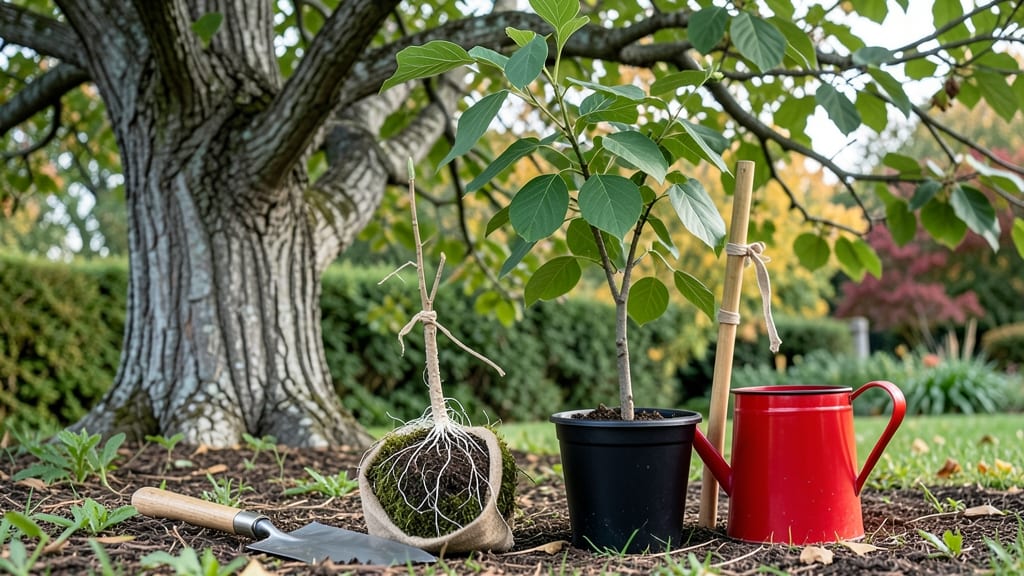
Timing your dogwood tree planting in fall could mean the difference between a struggling sapling and a thriving 🌳 that outshines your neighbors' yards. The secret lies in those crisp autumn weeks when soil stays warm enough for roots to settle—yet cool enough to avoid summer stress.
For most gardeners in USDA Zone 6a and beyond, mid-to-late fall (about 4-6 weeks before frost) is your sweet spot. This window lets roots establish before winter dormancy kicks in, giving your dogwood a head start for spring's vibrant blooms.
But plant too late, and you risk exposing young roots to harsh freeze-thaw cycles.
I’ll break down the exact months for your region, plus soil prep tricks and post-planting care to keep your dogwood stronger than ever. Whether you’re a first-time planter or a seasoned gardener, these steps will help you avoid common pitfalls and set your tree up for long-term success.
Ready to transform your landscape? Let’s dive into the best practices for fall planting—so you can enjoy your dogwood’s beauty for years to come without the guesswork.
Best fall planting months for dogwood trees by US climate zones
Fall is the sweet spot for planting dogwood trees (🌳) because cooler temperatures and increased rainfall help roots establish before winter dormancy. But the perfect window varies by USDA zone—plant too early, and roots may overgrow; too late, and they won’t harden before frost.
Let’s break it down by region so you can time your planting for success.
Dogwoods thrive when planted 4-6 weeks before the first frost, giving roots time to grow but avoiding late-season stress. In USDA Zones 3-5, aim for mid-September to early October, while Zones 6-8 can extend planting into November.
Southern zones (9-10) have flexibility until mid-December, but avoid planting when soil temps drop below 40°F.
Your local first frost date is your planting deadline. Check the National Weather Service or Old Farmer’s Almanac for your area, then count backward. For example, if frost hits October 15, plant by September 15.
Pro tip: Soil thermometers are your best friend—roots need temps between 50-60°F for optimal growth.
Here’s how early vs. late fall planting affects your dogwood’s success:
| Factor | Early Fall Planting (Aug-Sept) | Late Fall Planting (Oct-Nov) |
|---|---|---|
| Root Growth | Rapid growth (6-8 weeks) | Slower growth (3-5 weeks) |
| Watering Needs | High (hot soil dries fast) | Moderate (cooler temps) |
| Frost Risk | Low (plenty of time to harden) | High (roots may not harden) |
| Best For | Warm climates (Zones 7-10) | Cooler climates (Zones 3-6) |
| Spring Growth | Head start (2-3 weeks ahead) | Slower start (may need extra care) |
In northern zones (3-5), prioritize early September planting to avoid short growing seasons. For example, in Zone 4, where frost can hit by October 1, plant by September 1 to give roots 6 weeks to establish.
In Zone 5, extend to mid-September—just don’t wait until October.
Southern zones (6-10) have more flexibility. In Zone 7, you can plant until November 1, while Zone 10 allows planting through December. However, avoid planting in hot, dry spells (like late summer) or when soil is waterlogged. A soil moisture meter helps gauge ideal planting conditions.
Microclimates matter! If you live in a valley or low-lying area, frost arrives earlier than higher elevations. Observe nearby ornamental trees—when their leaves start falling, it’s a sign to plant.
In urban areas, heat islands can delay frost, so adjust your timeline 1-2 weeks later than rural zones.
Pro move: Container-grown dogwoods can handle late fall planting better than bare-root trees, as their roots are less stressed. If you’re in Zone 6 or below and planting in October, opt for 1-gallon containers for easier establishment. Water them deeply before planting to prevent transplant shock.
Timing isn’t just about months—it’s about soil and weather conditions. Aim for cool (50-60°F) but frost-free days with consistent rainfall. If your forecast shows unseasonable warmth in late fall, your dogwood might break dormancy too early, leaving it vulnerable to late frosts.
Always have a frost cloth on hand for young trees.
Remember: A dogwood planted in ideal fall conditions can grow 3x faster in its first spring than one planted at the wrong time. Take the guesswork out of timing by using a planting calendar tailored to your zone—your future shade tree will thank you! 🌳
Best fall planting months for dogwood trees by US climate zones
Fall planting gives dogwood trees a critical 4-6 week head start before winter dormancy. The ideal window varies by USDA zone, but aim for 4-8 weeks before your first frost. In colder zones (3-6), plant in early to mid-October—soil temps should hover around 50-60°F for root growth.
Warmer zones (7-10) can extend planting until late November, but avoid planting when nights dip below 40°F.
Dogwoods thrive when planted in cool-but-not-freezing soil. If your zone has early frosts, prioritize September planting to ensure roots establish before winter. For example, in Zone 5, plant by October 15; in Zone 8, you have until November 15.
Use local frost forecasts to fine-tune your timing—6 weeks before frost is your safest bet.
| USDA Zone | Best Planting Window | Soil Temp Goal (°F) | Risk of Late Planting |
|---|---|---|---|
| 3-4 | Late August–early October | 50–60°F | High (short growing season) |
| 5-6 | Mid-September–mid-October | 50–60°F | Moderate (frost risk after Oct 15) |
| 7-8 | October–November | 55–65°F | Low (longer growing season) |
| 9-10 | November–early December | 60–70°F | Minimal (mild winters) |
Late fall planting (December or later) risks root stress from freeze-thaw cycles. If you miss the window, wait until early spring—but dogwoods planted in spring may need extra summer watering to compensate for slower root growth.
Pro tip: Bare-root dogwoods can handle slightly later planting than container-grown trees, which need immediate root establishment.
Check your local National Weather Service frost dates and adjust by 2-3 weeks for safety. For example, if frost hits November 1, plant by October 15.
In Zone 6, I’ve seen dogwoods planted in late October thrive, but those planted in November often show stunted growth the following spring. Always prioritize root development over bloom timing—healthy roots mean bigger flowers next year.
For container-grown dogwoods, remove the pot and soak roots in water for 10–15 minutes before planting to reduce transplant shock. Amend heavy clay soil with compost or peat moss to improve drainage—dogwoods hate soggy roots.
After planting, water deeply to eliminate air pockets and encourage root spread before winter sets in.
🌳