
Plants
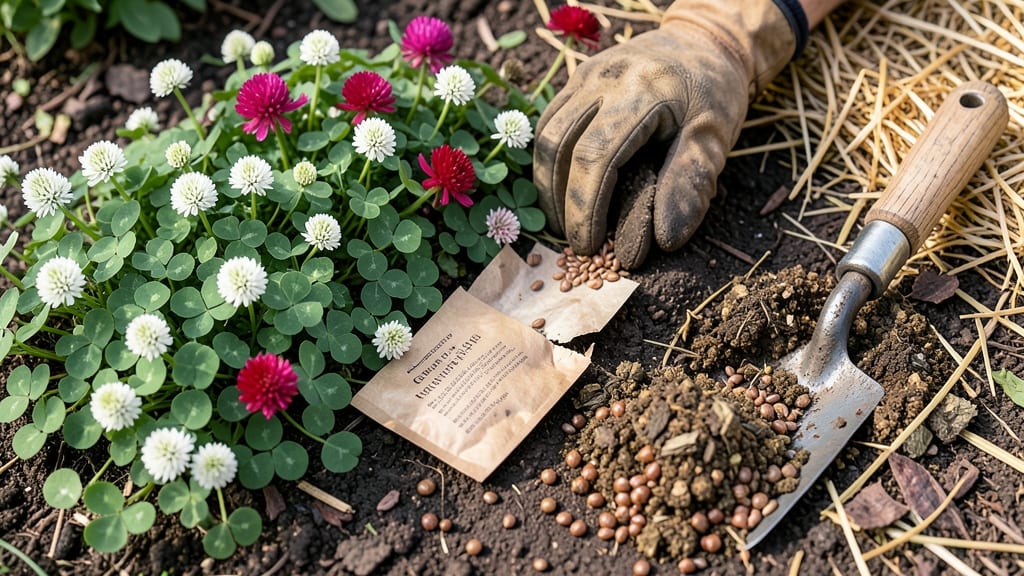
Planting clover in the fall is your secret weapon for a lush, green lawn next spring—but get the timing wrong, and you’ll end up with weak growth or wasted seeds.
The key lies in that sweet spot 4-6 weeks before your first frost, when soil stays warm enough for roots to establish while avoiding winter’s harshest freeze.
In USDA Zone 6a, that window typically opens in late August and closes by mid-September, giving clover like Dutch white or red varieties time to germinate and develop strong roots before dormancy.
Whether you’re in a cooler northern region or a milder southern climate, aligning your planting with local frost dates makes all the difference.
Why bother with fall planting? Because clover thrives when sown in cooler weather, avoiding the stress of summer heat and competition from weeds. Plus, an early start means you’ll skip the tedious spring planting rush and wake up to vibrant blooms—or a thick ground cover—come April.
I’ll walk you through exactly how to time your planting, prep your soil, and choose the right varieties for your zone. Let’s turn your fall garden into next year’s greenest success story.
Optimal fall planting window for clover by climate zone
Planting clover in the fall gives it time to establish strong roots before winter, but the exact timing depends on your USDA zone. In Northern regions (Zones 3-5), aim for late August to mid-September—about 4-6 weeks before your first frost date.
This ensures seedlings have time to germinate and develop before cold sets in.
For Southern climates (Zones 6-9), you can plant later—mid-September to early October. Warmer soils and milder winters mean clover can handle a slightly later start. Coastal areas with moderate temperatures may even extend planting until late October, but monitor frost risks closely.
White Dutch clover thrives in cooler fall soils (60-70°F), while red clover prefers slightly warmer conditions (65-75°F). Alsike clover, a hardier variety, can handle cooler temperatures and is ideal for Northern gardens planted in early fall.
Always check your local first frost date—planting too late risks seedlings not establishing before winter dormancy. Use a soil thermometer to confirm temperatures are ideal for germination before sowing.
| Region | USDA Zones | Best Planting Window | Soil Temp for Germination | Clover Variety |
|---|---|---|---|---|
| Northern | 3-5 | Late August - Mid-September | 60-70°F | White Dutch, Alsike |
| Midwest | 6-7 | Mid-September - Early October | 65-75°F | Red, Crimson |
| Southern | 8-9 | Mid-September - Late October | 70-80°F | White Dutch, Ball |
| Coastal | 7b-9 | Late September - Early November | 65-75°F | Alsike, Crimson |
If you’re unsure about your frost date, use a local gardening app or check with your Cooperative Extension Service. These resources provide hyper-local advice tailored to your microclimate, which can make all the difference for fall-planted clover.
For container gardening, you can extend your planting window by 2-3 weeks later since pots warm up faster. Just ensure containers have drainage holes and use a lightweight potting mix to prevent waterlogging.
Remember, clover planted in fall will overwinter as roots and burst into growth in spring. The key is giving those roots enough time to establish before ground freezes. With the right timing, you’ll enjoy lush clover blooms by early summer.
Pro tip: If your fall is unusually warm, delay planting until late September to avoid heat stress on young seedlings. Monitor soil moisture closely during this transition period.
Optimal fall planting window for clover by climate zone
Timing your clover planting in fall depends on your USDA zone and first frost date. Aim to plant 4-6 weeks before frost for strong root growth before winter dormancy. Northern zones (like Zones 3-5) need earlier plantings, while Southern zones (like Zones 7-9) can plant later.
Soil temperature is critical—clover seeds need 60-70°F soil to germinate. In cooler regions, wait until late August or early September. Warmer climates can plant as late as October. White Dutch clover and red clover are popular fall varieties for their cold hardiness.
🌱 Did You Know? Clover planted in fall often produces 2x more blooms in spring than spring plantings, thanks to early root establishment.
| Zone | Planting Window | Soil Temp | Best Variety |
|---|---|---|---|
| Zones 3-5 | Late August - Early September | 60-70°F | Alsike Clover |
| Zones 6-7 | Mid-September - Early October | 65-75°F | White Dutch Clover |
| Zones 8-9 | Late September - November | 70-80°F | Red Clover |
Coastal areas with mild winters can plant up to 6 weeks later than inland zones. Check your local first frost date and count backward—this ensures clover roots establish before dormancy. For example, if frost hits November 15, plant by October 1.
Use a soil thermometer to verify temperatures. If soil is too cold, wait 1-2 weeks. Alsike clover tolerates cooler soils better than Dutch clover, making it ideal for early fall plantings in Zones 3-5.
After planting, mulch with straw or leaves to retain warmth and moisture. This helps seedlings survive early frosts while still allowing sunlight for photosynthesis. 🌿