
Plants
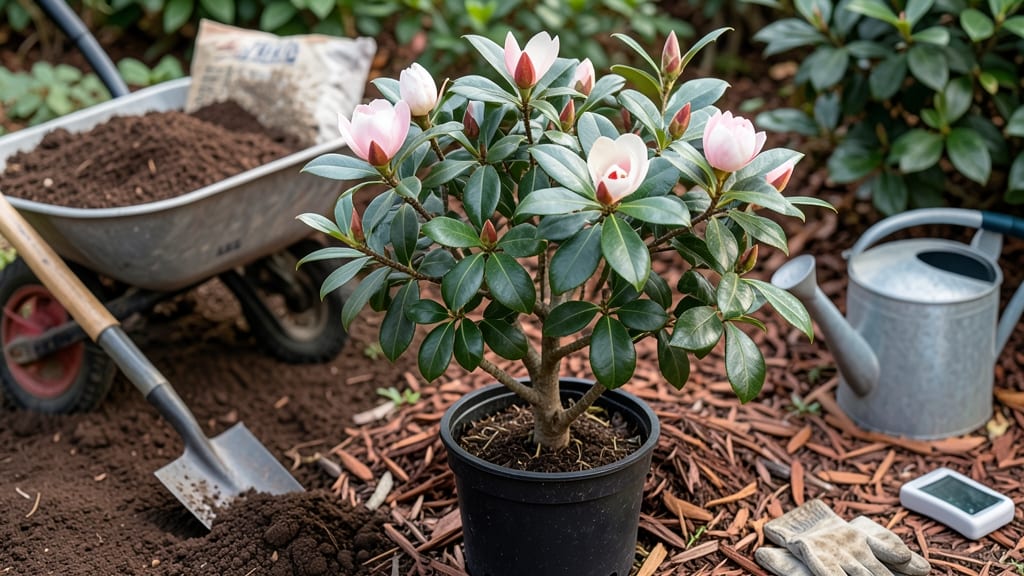
Knowing when to plant camellias in Zone 9 could mean the difference between a stunning, blooming shrub and one that struggles to take root in your climate.
Unlike cooler zones, Zone 9's mild winters and warm soil create a unique window where timing isn't just about avoiding frost—it's about leveraging the perfect conditions for strong root growth.
For gardeners in Zone 9, the ideal planting window stretches from November through February, when soil temperatures stay cool enough to prevent heat stress while still allowing roots to establish before summer's intensity.
This is when your 🌸 camellia can focus its energy on growing a robust foundation rather than battling the elements.
But here's the thing: not all months within this window are created equal. Planting too early in fall might expose young roots to unexpected warmth, while waiting until late winter could delay that critical growth spurt.
I'll show you exactly how to read your local microclimate and choose the best 6-8 week window for your specific region—whether you're in Southern California, Florida, or Texas.
Once you've got the timing down, we'll cover the essential post-planting care that keeps your camellia thriving. From proper watering schedules to the right mulching techniques, these small details make all the difference in helping your new plant settle in and prepare for its spectacular spring bloom.
Optimal planting months for camellias in Zone 9: frost-free window & root growth secrets
In Zone 9, where frost is rare but summer heat is intense, timing your camellia planting becomes a delicate balance. Unlike cooler climates, you’re not fighting frost—you’re avoiding heat stress and ensuring roots establish before the dog days of summer.
The ideal window spans November through February, when soil temperatures stay cool (below 75°F) and humidity remains higher, reducing transplant shock.
Camellias thrive when planted during cooler months because their roots grow best in 55–65°F soil. In Zone 9, this aligns perfectly with late fall and winter. For example, in Southern California, November’s average soil temp is 60°F, while February’s hovers around 62°F—both prime conditions.
Meanwhile, planting in March or later risks exposing young roots to 90°F+ soil, which can cause root burn and stunted growth.
| Month | Soil Temp (°F) | Humidity (%) | Planting Risk |
|---|---|---|---|
| October | 65–70°F | 50–60% | Low (early edge) |
| November | 55–65°F | 55–70% | Optimal (best balance) |
| December | 50–60°F | 60–75% | Optimal (coolest soil) |
| January | 55–62°F | 55–70% | Optimal (steady growth) |
| February | 60–68°F | 50–65% | Low-Medium (late edge) |
| March | 68–75°F | 45–55% | High (heat stress risk) |
Zone 9’s microclimates can shift planting windows by weeks. For instance, coastal areas (like San Diego) stay cooler longer, allowing March plantings with extra shade and mulch. Conversely, inland zones (like Phoenix) should avoid planting after mid-February unless using drip irrigation and shade cloth to protect roots.
Always check your local USDA Zone 9a vs. 9b—even a 5°F difference in average temps matters.
If you miss the ideal window, October or early March can work with adjustments. Plant in late afternoon to reduce midday heat stress, and mulch heavily (3–4 inches of organic mulch) to insulate roots.
Avoid summer planting entirely—camellias planted in June or July often suffer from transplant shock and may never recover, even with care.
One critical trick for Zone 9 gardeners is to soak roots before planting. Fill a bucket with water, submerge the root ball for 10–15 minutes, and let it drain. This hydrates roots and helps them recover faster from the stress of transplanting.
Pair this with a mycorrhizal fungi treatment (available at nurseries) to boost root growth in the first 30 days—a game-changer for summer-adjacent plantings.
After planting, water deeply 2–3 times per week for the first month, focusing on the root zone (not leaves). Use a soaker hose or drip system to keep soil consistently moist but not soggy.
In Florida’s Zone 9, where humidity is high, reduce watering slightly to prevent fungal issues like root rot. Meanwhile, in Texas Hill Country, where summers are drier, increase watering frequency to every 5–7 days during the first month.
Timing isn’t just about the calendar—it’s about reading your microclimate. Notice when nearby trees drop leaves (a sign of heat stress) or when morning dew lingers longer (cooler nights). These cues help fine-tune your planting schedule.
For example, if your garden stays 10°F cooler than the average Zone 9 due to shade, you might push planting to early April—but only if you’re prepared for extra shade and watering.
Pro tip: Plant camellias on a cloudy day or after a light rain. The lack of direct sunlight reduces stress, and the soil stays cooler. If you must plant on a sunny day, **
How to adjust planting timing for camellia varieties: sasanquas vs. Japonicas vs. Hybrid Teas
Not all camellias are created equal when it comes to planting timing in Zone 9. While they all thrive in the same climate, their root sensitivity and flowering cycles vary dramatically.
For example, Camellia sasanqua varieties like 'Yuletide' or 'Bonanza' are the hardiest, while Camellia japonica types such as 'Nobility' or 'Desire' demand more precise conditions. Understanding these differences ensures your camellias establish roots quickly and bloom reliably.
In Zone 9, where summers are scorching and winters are mild, soil temperature becomes the critical factor for timing. Most camellias prefer soil temps between 50°F and 65°F (10°C–18°C) for root growth.
Sasanquas handle the cooler winter months (November–January) best, while Japonicas and Hybrid Teas need spring planting (February–March) to avoid heat stress. Let’s break down the ideal planting windows for each type.
| Variety | Best Planting Window | Soil Temp Threshold | Mulching Strategy | Microclimate Tip |
|---|---|---|---|---|
| Sasanqua (e.g., 'Yuletide', 'Bonanza') | Late fall (Nov–Dec) | 50°F–60°F (10°C–15°C) | 3–4 inches of mulch (pine bark) | Urban areas: Plant near reflective surfaces to cool roots. |
| Japonica (e.g., 'Nobility', 'Desire') | Early spring (Feb–March) | 55°F–65°F (13°C–18°C) | 4–6 inches of mulch (cedar chips) | Rural areas: Avoid low-lying spots where cold air pools. |
| Hybrid Teas (e.g., 'Crimson King', 'Spring’s Promise') | Late winter (Jan–Feb) | 52°F–62°F (11°C–17°C) | 3–5 inches of mulch (leaf mold) | Coastal areas: Use shade cloth if exposed to salt spray. |
For Sasanqua camellias, late fall planting (November–December) aligns perfectly with cooler soil temps and reduced evaporation. These varieties are native to warmer climates but still benefit from the mild winter chill of Zone 9.
Use pine bark mulch (3–4 inches) to insulate roots and retain moisture. In urban gardens, plant near light-colored walls or pavers to reflect heat away from the root zone.
If you’re growing Japonica camellias, wait until February–March to plant. These varieties are more sensitive to heat stress and require soil temps above 55°F (13°C) to avoid root rot.
Apply cedar mulch (4–6 inches) to suppress weeds and regulate temperature. In rural areas, avoid planting in frost pockets where cold air settles, even in Zone 9.
Hybrid Tea camellias strike a balance between hardiness and bloom intensity, making them ideal for January–February planting. Focus on leaf mold mulch (3–5 inches) to improve soil structure and water retention.
For coastal Zone 9 gardens, protect young plants from salt spray with a shade cloth during the first growing season. Monitor for leaf scorch if planted in full afternoon sun.
Regardless of variety, always water deeply after planting and avoid summer installation. Zone 9’s heat can cause transplant shock in camellias, even the hardiest types. With the right timing and care, your camellias will establish roots quickly and reward you with vibrant blooms for years to come. 🌸