
Companion Plants
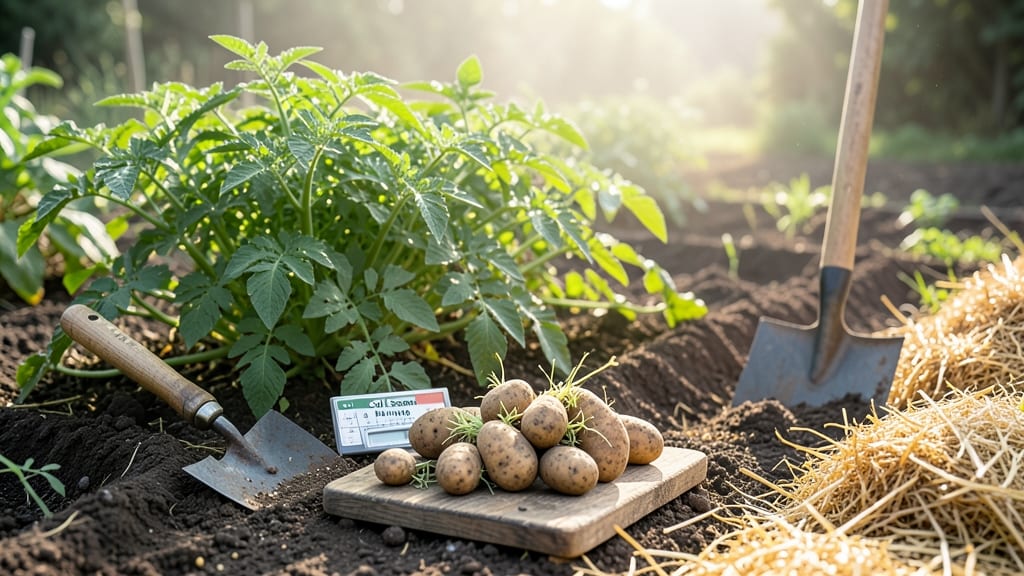
When should I plant potatoes in Zone 8? Timing your 🥔 potato planting can make or break your harvest—get it wrong, and you’ll end up with bitter tubers or stunted growth. The key isn’t just checking the calendar; it’s syncing your planting with soil warmth and lunar phases to avoid the dreaded bolting that turns your spuds into leafy stalks before they even think about forming tubers.
I’ve grown potatoes in Zone 8 for years, and the difference between a mediocre harvest and a bumper crop often comes down to one thing: planting at the right moment. Too early, and the soil stays too cold; too late, and the heat sends your potatoes into early retirement.
Let me show you the exact windows—plus a few lunar tricks—to maximize your yield without the guesswork.
Most gardeners in Zone 8 focus on spring planting, but did you know fall planting can also work if you time it right?
We’ll break down the best varieties for your climate, how to prep your soil, and even how to stretch your harvest season so you’re not left scrambling for spuds by summer’s end.
Ready to ditch the trial-and-error? By the end of this, you’ll know exactly when to plant—whether you’re a lunar calendar believer or just want a foolproof schedule. Let’s get those 🥔 potatoes growing like a pro.
Zone 8 potato planting dates by variety (lunar calendar aligned)
In Zone 8, where summers can be scorching and winters mild, planting potatoes at the right time means the difference between a bountiful harvest and wasted effort. The key? Aligning your planting schedule with soil temperatures and lunar phases to avoid bolting (premature flowering) and maximize tuber growth.
Most Zone 8 gardeners focus on spring planting, but fall options exist too—if you time them right.
For early varieties, aim to plant when soil warms to 50°F (10°C)—typically late February to early March in most of Zone 8. Mid-season varieties thrive when planted in March to early April, while late varieties can handle April to early May plantings.
The lunar calendar adds precision: root crops like potatoes do best when planted during the waxing moon in root-sign days (when the moon is in Taurus, Virgo, or Capricorn).
Here’s the breakdown of ideal planting windows, soil conditions, and lunar phases for each variety type in Zone 8:
| Variety Type | Planting Window (Zone 8) | Soil Temp Requirement | Lunar Phase | Key Tip |
|---|---|---|---|---|
| Early (e.g., Yukon Gold) | Late Feb–Early Mar | 50–55°F (10–13°C) | Waxing moon in Taurus | Use black plastic mulch to warm soil faster. |
| Mid-season (e.g., Red LaSoda) | March–Early Apr | 55–60°F (13–16°C) | Waxing moon in Virgo | Plant deeper (4–6") to protect from heat. |
| Late (e.g., Purple Majesty) | April–Early May | 60–65°F (16–18°C) | Waxing moon in Capricorn | Mulch heavily to retain moisture. |
| Fall (e.g., Kennebec) | Late Aug–Early Sep | 65–70°F (18–21°C) | Waning moon in Pisces | Harvest before first frost (Nov). |
Pro tip: Use a soil thermometer to confirm temperatures before planting. If your soil is cooler than ideal, delay planting or use row covers to accelerate warming.
In Zone 8, where heat can stress potatoes, succession planting every 2–3 weeks ensures a staggered harvest and avoids bolting from sudden heat spikes.
For fall planting, focus on early-maturing varieties like Kennebec or Russet Burbank. Plant in late August to early September when soil is still warm (65–70°F) and days are shortening. The goal?
Harvest before the first frost—typically mid-November in Zone 8. Use the waning moon in Pisces for best results, as this phase supports root development without encouraging premature flowering.
One common mistake in Zone 8 is planting too late in spring, which forces potatoes to grow in high heat and low humidity. This leads to small tubers and bitter flavors.
To combat this, I always plant my late varieties under shade cloth (30–50% shade) during peak summer months. This simple trick can extend the growing season by 3–4 weeks and improve yield quality.
Finally, don’t overlook soil preparation. Zone 8 soils can be heavy or sandy, so amend with compost and aged manure to improve drainage and fertility. Aim for a pH of 5.0–6.5, as potatoes thrive in slightly acidic conditions.
Work in 2–3 inches of compost before planting to provide nutrients without burning young tubers.
🌱
How to use the lunar calendar to avoid potato bolting in hot climates
The moon’s phases can be your secret weapon against potato bolting in Zone 8’s heat. When you plant during the root-sign phase (when the moon is in Earth, Taurus, or Cancer), you encourage tuber development instead of flower spikes. This is especially critical in hot climates where potatoes bolt prematurely.
Bolting happens when potatoes sense long daylight hours and rush to flower, reducing tuber size. The lunar calendar helps you time plantings to avoid this stress. For example, planting early varieties during a waxing moon in spring aligns with cooler soil temps and slower growth—perfect for avoiding bolting.
Here’s how to decode the lunar calendar for potatoes:
⚠️ Warning: Heat + Wrong Moon Phase = Bolting Disaster
Planting potatoes during a fruit-sign phase (moon in Aries, Leo, or Sagittarius) in Zone 8’s summer heat can trigger bolting. The moon’s gravitational pull shifts energy to flower production instead of tubers. Always check a lunar planting guide before digging in!
Start by identifying root-sign days (Earth, Taurus, Cancer) for your planting window. In Zone 8, aim for late February to early March for early varieties, but adjust based on moon phases.
For example, if a root-sign day falls on March 10, that’s your ideal planting date—even if it’s slightly later than traditional calendars suggest.
Pro tip: Use shade cloth during peak summer heat to slow bolting. Pair this with lunar-aligned planting, and you’ll extend your harvest window.
For instance, Purple Majesty potatoes planted on a root-sign day in early June can still yield small but edible tubers by late August, even in Zone 8’s heat.
Monitor soil temps closely—potatoes need 45–55°F to sprout. If your Zone 8 spring warms up quickly, wait for a waxing moon to plant. This combo of cooler soil and lunar energy gives tubers a head start before summer’s intensity kicks in.
Remember, the lunar calendar isn’t just about dates—it’s about energy alignment. Pair root-sign days with cool evenings and moist soil for the best results. With this method, you’ll avoid bolting and maximize your Zone 8 potato harvest! 🌱