
Plants
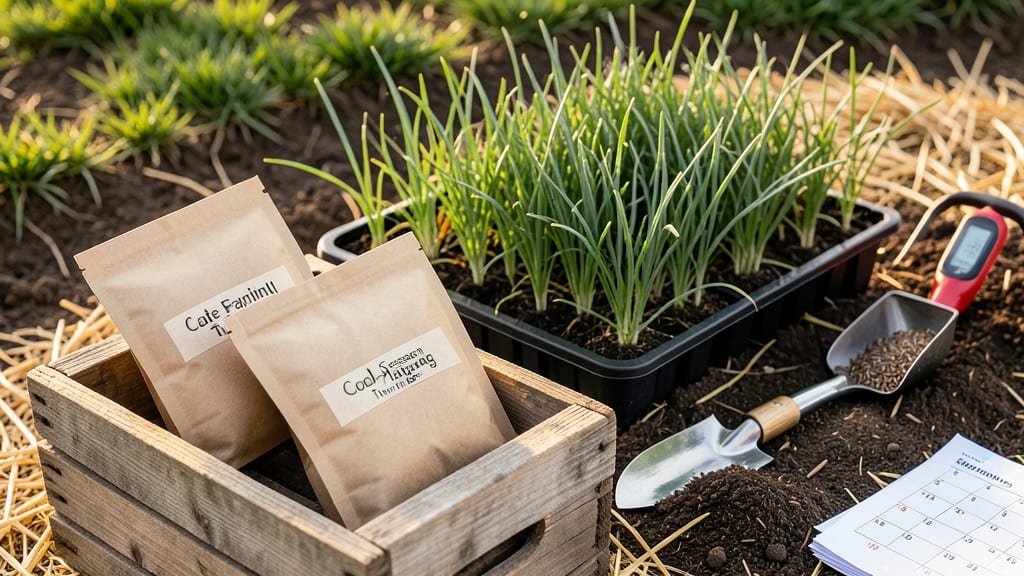
You’ve just spotted those last grass seeds on sale—50% off—and your heart sinks because you’re not sure when it’s too late to plant the grass in Massachusetts 🌱. The good news? You’re not too late yet, but the clock is ticking.
Massachusetts’ USDA zones 5b-6b give you a surprisingly late window for planting, but pushing past mid-August means battling heat stress, weeds, and frost risks. Whether you’re seeding bare spots or laying sod, timing is everything—and the wrong move could leave you with a patchy lawn next spring.
In this guide, I’ll break down the exact deadlines by zone, soil temperature thresholds, and the 3 biggest mistakes homeowners make when planting too late. You’ll also learn how to stretch the season with soil prep tricks and when to switch to fall planting for better results.
Let’s get your lawn growing strong—before it’s too late for this year’s seeds.
Massachusetts grass planting deadlines by hardiness zone (USDA 5b-6b)
Massachusetts spans USDA zones 5b-6b, meaning your last-minute grass planting window depends on where you live. In cooler northern zones (5b), the deadline is stricter—typically mid-September—while warmer southern zones (6b) can push it to early October.
These dates align with soil temperatures dropping below 50°F, which stalls seed germination.
Cool-season grasses like tall fescue and Kentucky bluegrass thrive when planted 4-6 weeks before the first frost. For MA, that’s roughly September 1-15 in most regions. Perennial ryegrass, a faster germinator, buys you 1-2 extra weeks but still needs warm soil to establish.
Pro tip: Check your exact zone using the USDA Plant Hardiness Map. Type your ZIP code to confirm whether you’re in zone 5b or 6b—this dictates your final planting cutoff by 10-14 days.
Soil temperature is the #1 factor for late-season success. Use a soil thermometer ($10 at garden centers) to test depth. Grass seeds need soil at least 55°F for 7+ days to germinate. If temps drop below 50°F, germination slows to a crawl, and seedlings may not survive winter.
Here’s the hard deadline breakdown by zone and grass type, including late-summer alternatives if you miss the window:
If you’re in zone 5b and miss the September 15 deadline, your only viable option is overseeding in early October with a perennial ryegrass mix. This grass germinates faster in cool soil and can handle light frost.
For zone 6b, you have until October 1 for tall fescue or Kentucky bluegrass, but prioritize soil prep—warmer soil means less risk of fungal issues.
Watch for late-summer heat waves (like the 2023 August heat dome) that dry out soil. If your lawn feels crunchy underfoot, water deeply 2-3 days before planting to rehydrate the top 6 inches of soil. This mimics spring conditions and helps seeds make contact with moisture.
For urban MA gardeners (e.g., Boston, Cambridge), sidewalks and buildings can create microclimates that stay warmer longer. Test soil in multiple spots—shady areas may stay cool enough for planting 1-2 weeks later than sunny patches.
Remember: Late planting ≠ failed lawn. With the right grass mix (like ‘Barlexas’ tall fescue), proper soil prep, and a thick mulch layer, you can
Critical soil prep steps for late-season grass planting success
If you’re planting grass in Massachusetts after mid-August, your soil prep becomes the make-or-break factor for success. Cool-season grasses like tall fescue and Kentucky bluegrass need ideal soil conditions to establish roots before frost hits. Skipping prep steps can leave you with sparse, weak grass that struggles through winter.
Start by testing your soil pH—most grasses thrive in a 6.0-7.0 range. If your soil is too acidic or alkaline, amend it with lime (to raise pH) or sulfur (to lower pH) at least 2-3 weeks before planting.
You can grab a $10 soil test kit from garden centers or send a sample to the UMass Soil Testing Lab for precise results.