
Plants
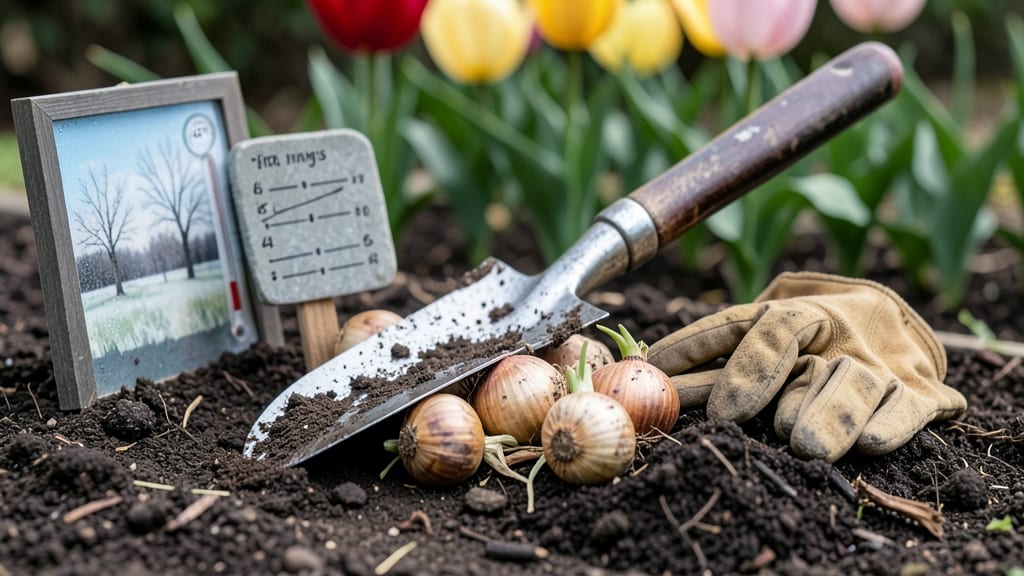
If you've ever dreamed of Texas gardens bursting with tulips but hesitated because of the heat, the perfect planting window exists—and it’s all about timing. The key to zero-frost survival isn’t just waiting for cooler weather; it’s understanding how USDA Zones 8a-10b create unique microclimates where bulbs thrive without freezing.
Most gardeners assume tulips need cold dormancy, but Texas’s mild winters demand a different approach. Planting too early risks premature sprouting, while waiting too long means bulbs won’t root before the ground cools.
The solution? A late-fall schedule tailored to your region—whether you’re in North Texas’s chilly pockets or South Texas’s balmy stretches.
I’ve tested the best strategies over years, and what works isn’t just about dates—it’s about soil prep, bulb selection, and even mulching techniques. You’ll discover how to outsmart Texas’s quirks, from urban heat islands to rural frost pockets, ensuring your 🌷 blooms arrive vibrant and on time.
Ready to unlock the secret? Let’s dive into the exact weeks to plant, the hardiest varieties for your zone, and the simple care routine that keeps tulips coming back year after year—no frost worries included.
Best late fall planting timeline for Texas tulips (by region)
Texas spans three distinct climate zones for tulip planting, each with its own first frost dates and ideal windows. Unlike cooler states, Texas gardeners must plant later to avoid premature sprouting from warm soil temperatures.
The key is establishing roots 6-8 weeks before winter, but not so early that bulbs wake up too soon.
North Texas (USDA Zones 7b-8a, like Dallas/Fort Worth) has the earliest frost dates, while South Texas (Zones 9a-10b, Houston/San Antonio) can plant until January.
Central Texas (Zones 8a-8b, Austin) falls in between. Let’s break down the exact weeks for each region to maximize your tulips’ survival and spring blooms.
For North Texas gardeners, aim to plant by November 15—this gives bulbs time to root before the first frost hits around mid-November. Use a soil thermometer to confirm temperatures are between 50–60°F; cooler soils delay sprouting until spring.
In Central Texas, stretch your window to early December, but avoid planting after December 1 unless you’re in a sheltered microclimate.
South Texas is the most forgiving, with a 3-month window to plant. However, planting after December 15 risks bulbs sprouting too early in warm winters. If you miss the ideal window, wait until January—just plant deeper (8 inches) to insulate bulbs from erratic temperature swings.
Urban areas like Houston may need to plant 2–4 weeks later than rural zones due to the urban heat island effect.
Pro tip: Test your soil 2 weeks before planting. If temperatures exceed 65°F, hold off—bulbs may sprout prematurely and rot. In East Texas, where humidity is high, plant 4–6 weeks later than West Texas to prevent fungal diseases.
Always choose well-draining soil to avoid waterlogged bulbs, a common killer in Texas’ heavy clay soils.
Once planted, mulch heavily with 3–4 inches of straw or pine bark to insulate bulbs. In Zone 9a+, consider a lightweight row cover for extra protection during rare cold snaps. Remember, Texas tulips thrive on patience—the later you plant (within reason), the fewer surprises you’ll face in spring.
After planting, water deeply once to settle the soil, then reduce watering until sprouts appear in spring. Overwatering in winter can drown bulbs. Mark your planting spots with stakes or flags—Texas’ unpredictable weather can erase garden memories fast!
🌷
5 Critical factors that determine your Texas tulip success
Timing might be the first thing that comes to mind when planting tulip bulbs in Texas, but soil temperature is equally critical. Bulbs need 60°F soil to start rooting, but above 70°F triggers premature sprouting—leading to weak stems.
Use a soil thermometer to check before planting in South Texas zones (like Houston), where warm soils delay ideal timing.
Your USDA hardiness zone dictates everything. North Texas (Zones 7b-8a) can plant as early as mid-October, while South Texas (Zones 9a-10b) must wait until late November or even December. Even within Austin, urban areas may frost 2-3 weeks later than rural spots due to heat islands.
Plant when soil reaches 60°F (use a thermometer!). Too warm (70°F+) causes premature sprouting. Ideal window: October-November for most Texas zones.
North Texas (Zones 7-8): October-November. Central/South Texas (Zones 9-10): November-January. Check your zone using the USDA Plant Hardiness Map.
Apply 3-4 inches of mulch after planting. Use straw or shredded leaves—never grass clippings (they mat down). Replenish in winter to insulate bulbs.
Water deeply once a week after planting. Reduce to bi-weekly in winter. Overwatering causes bulb rot—Texas clay soil needs amended drainage.
Urban areas (e.g., Dallas) frost 1-2 weeks earlier than suburbs. East Texas (humid) may need earlier planting than West Texas (drier). Observe local first frost dates.
Don’t overlook bulb quality—Texas’s heat stresses weak bulbs. Choose large, firm bulbs from reputable suppliers like Barenbrug or Van Engelen. Smaller bulbs (size 10-12) may not survive our winters. For South Texas, opt for Darwin Hybrid tulips—they handle heat better than Dutch varieties.
Pro tip: Mark your planting spots with flags or stakes so you remember where bulbs are planted. Texas’s unpredictable winters can make locations hard to recall—especially if winter rains wash away mulch or leaves. A little preparation now means vibrant blooms next spring! 🌷