
Plants
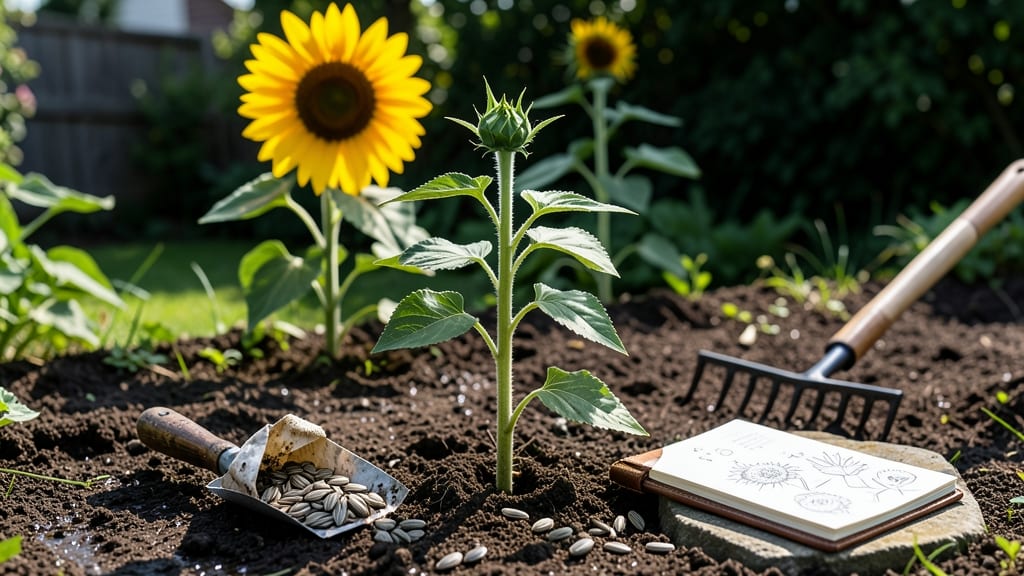
Timing when do you plant sunflower seeds in Michigan isn’t just about the calendar—it’s about the soil temperature, and getting it wrong can mean waiting months for those towering blooms or losing them to frost.
With Michigan’s USDA zones 5b-6b and unpredictable spring weather, most gardeners either plant too early (risking frost damage) or too late (missing peak summer growth).
The key to fast germination and healthy sunflowers lies in waiting until the soil warms to at least 50°F, which typically happens between mid-April and mid-June—but that window shifts depending on whether you’re in the Upper or Lower Peninsula.
I’ll show you exactly how to test your soil temperature and adjust your planting schedule for explosive growth, so you’re not left with wilted seedlings or empty garden beds.
You’ll also discover which sunflower varieties thrive best in Michigan’s short season, from dwarf varieties that mature in just 60 days to towering giants reaching 14 feet by fall.
Plus, I’ll share my top tricks for spacing seeds correctly, protecting them from late frosts, and ensuring they grow tall and strong—no guesswork required.
Whether you’re a first-time gardener or a seasoned pro, these Michigan-specific tips will help you plant your sunflowers at the perfect moment for bold blooms and a garden that turns heads. Let’s get those seeds in the ground the right way!
Michigan sunflower planting timeline: best months by soil temperature
Timing your sunflower seeds in Michigan isn’t just about months—it’s about soil temperature. Sunflowers need the ground to warm to at least 50°F (10°C) to germinate, and Michigan’s USDA zones 4–6 can vary wildly between regions.
In the Lower Peninsula, you’ll typically plant 2–4 weeks earlier than in the Upper Peninsula.
For most of Michigan, the ideal planting window stretches from mid-April to mid-June.
However, late April is risky in colder zones like Zone 4b—wait until soil temps consistently hit 55°F (13°C) to avoid stunted growth. June plantings still work for shorter varieties but may not reach full height before frost.
Here’s the key: last frost dates in Michigan range from mid-April in southern Michigan to early May in the north. Planting 2–3 weeks after your average last frost gives seedlings a head start.
For example, if your frost date is May 1, aim for May 15–20 to ensure safe germination.
Don’t forget microclimates. Urban areas like Detroit or Grand Rapids warm faster than rural spots, while southern Michigan’s thumb region can be 1–2 weeks ahead of northern areas. Use a soil thermometer to confirm readiness—it’s the only way to beat Michigan’s unpredictable weather.
| Region | USDA Zone | Last Frost Date | Ideal Planting Window | Soil Temp Goal |
|---|---|---|---|---|
| Southern Michigan (Detroit, Kalamazoo) | 5b–6a | April 15–May 1 | April 30–June 10 | 50–60°F (10–15°C) |
| Central Michigan (Lansing, Battle Creek) | 5b–6a | April 20–May 5 | May 10–June 15 | 50–60°F (10–15°C) |
| Northern Michigan (Traverse City, Marquette) | 4b–5a | May 1–May 15 | May 20–June 20 | 55–65°F (13–18°C) |
| Upper Peninsula (Marquette, Houghton) | 4a–5a | May 10–May 25 | June 1–July 1 | 60–70°F (15–21°C) |
If you’re starting seeds indoors, begin 4–6 weeks before your target outdoor planting date. Use grow lights to mimic Michigan’s short spring days—sunflowers need 12+ hours of light daily to avoid leggy seedlings. Harden off seedlings for 7–10 days before transplanting to acclimate them to outdoor conditions.
For direct sowing, plant seeds 1 inch deep and 6–12 inches apart, depending on the variety. Space rows 2–3 feet apart to allow for sunflower stalks that can reach 6–14 feet tall.
In Michigan’s shorter growing season, dwarf varieties (3–6 feet) are ideal for northern regions, while tall varieties thrive in southern areas.
One pro tip: Use black plastic mulch or row covers to warm soil faster in early spring. This can shave 1–2 weeks off your planting timeline, giving you more time for summer blooms before frost. Just remove covers once seedlings emerge to prevent overheating.
Finally, watch the weather. Michigan’s late spring frosts can sneak up—plant near a windbreak or south-facing fence to protect young seedlings. With the right timing, your sunflowers will reach maturity by late summer, providing months of vibrant color
Michigan sunflower planting timeline: best months by soil temperature
Timing your sunflower seeds in Michigan hinges on two critical factors: soil temperature and last frost dates. The Upper Peninsula (USDA Zone 4) typically has a shorter growing season than the Lower Peninsula (Zones 5b-6b), so adjust your schedule accordingly.
For most regions, aim to plant between mid-April and mid-June, when soil temps consistently reach 50–60°F.
In southern Michigan, where springs arrive earlier, you can start as soon as late April—just confirm the last frost date (usually mid-April to early May) has passed.
Northern areas should wait until early to mid-May to avoid frost damage. Sunflowers thrive in warmth, so rushing early planting often backfires when cold snaps return.
🌱 Key Takeaway: Use a soil thermometer to verify temps before planting. If your soil stays below 50°F for more than a week, delay planting—sunflower seeds won’t germinate in cold soil, no matter how eager you are for those towering blooms!
| Region | Ideal Planting Window | Soil Temp Requirement | Frost-Free Growth Period |
|---|---|---|---|
| Southern Michigan (Zones 5b-6b) | Late April – Early June | 50–60°F (10–15°C) | 160–180 days |
| Northern Michigan (Zone 4) | Early May – Mid-June | 55–60°F (13–15°C) | 140–160 days |
| Upper Peninsula (Zone 4) | Mid-May – Early June | 60°F+ (15°C+) | 120–140 days |
🌡️ Pro Tip: Use a soil thermometer for 3–5 days to confirm consistency.
For fastest germination, plant when soil temps hit 60°F or higher. In northern Michigan, this often means waiting until late May, but the payoff is healthier, taller stems and bigger blooms.
If you’re impatient, consider starting seeds indoors 4–6 weeks before your target outdoor date—just be ready to harden them off before transplanting.
One common mistake? Planting too late in June. While sunflowers can handle heat, they need 90–120 days to mature. A June planting risks smaller flowers or no seed production before first frost (usually mid-October).
Stick to the May window for the best balance of size and seed yield.
Don’t overlook microclimates—areas near lakes or buildings warm up faster. Test your soil in multiple spots to find the warmest, sunniest location for your seeds. With the right timing, you’ll be rewarded with sunflowers reaching 10+ feet by summer’s end! 🌻