
Plants
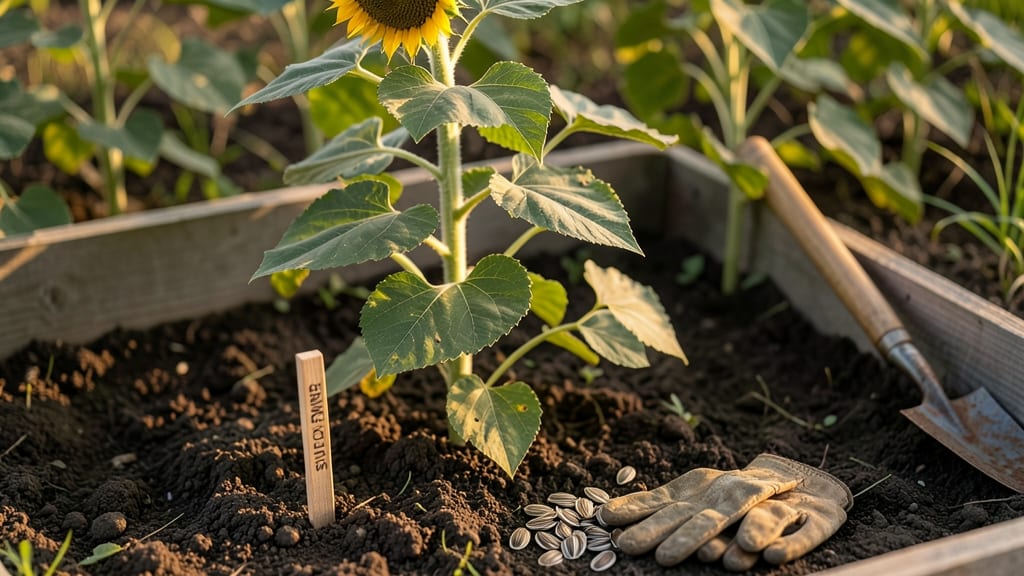
If you’ve ever dreamed of growing 🌻 sunflowers that tower over your Ohio fence—reaching heights of 10 feet or more—when do you plant sunflower seeds in Ohio? Timing is everything.
Planting too early risks frost damage to tender sprouts, while waiting too long might leave your blooms struggling for sunlight. The key to those impressive stems lies in understanding Ohio’s microclimates, from the cooler northern regions to the warmer southern zones.
For most of Ohio, including Zone 6a, your planting window opens between mid-April and early June, right after the last frost date. But here’s the catch: urban areas like Columbus can warm up faster, while rural spots near Lake Erie might need a few extra days.
I’ll break down the exact dates—plus soil prep tips and spacing tricks—to ensure your sunflowers get the 120+ days they need for maximum height.
You’ll also discover how to adjust for summer plantings if you missed the spring window, and which sunflower varieties thrive best in Ohio’s shorter growing seasons. Whether you’re a first-time gardener or a seasoned green thumb, these insights will help you grow sunflowers that don’t just survive—they soar.
Let’s dive into the perfect planting schedule so your garden becomes a sunflower paradise by late summer. Ready to get started?
Ohio sunflower planting dates by hardiness zone: frost-free timeline for maximum stem growth
Ohio spans USDA hardiness zones 5 through 9, meaning your sunflower planting window varies dramatically from the Appalachian highlands to the Great Lakes shoreline. To grow those 10-14 foot giants, you need 120+ frost-free days—and Ohio delivers, but timing is everything.
The key is planting after your average last frost date when soil warms to 55°F+.
Northern Ohio (zones 5-6) has shorter growing seasons with last frosts often lingering until mid-May. Southern Ohio (zones 7-9) enjoys earlier springs, sometimes as early as mid-April. Even within these zones, microclimates (like urban heat islands) can shift your ideal planting window by 1-2 weeks.
Here’s your zone-by-zone planting timeline for Ohio sunflowers, designed to maximize stem height and bloom time while avoiding frost damage. Remember: Direct-sown seeds germinate fastest in warm soil, so don’t rush—wait for consistent daytime temps above 60°F.
Ohio Sunflower Planting Guide by Zone
| Zone | Last Frost Date | Ideal Planting Window | Soil Temp Threshold | Days to Maturity |
|---|---|---|---|---|
| 5 (Northeast OH) | May 10-20 | May 20 - June 5 | 55°F+ | 90-120 days |
| 6 (Central OH) | April 25 - May 10 | May 10 - May 25 | 55°F+ | 85-110 days |
| 7 (Southwest OH) | April 10-20 | April 25 - May 15 | 50°F+ | 80-100 days |
| 8 (Southern OH) | March 25 - April 10 | April 10 - April 30 | 45°F+ | 75-90 days |
| 9 (Far Southwest) | March 10-20 | March 25 - April 15 | 40°F+ | 70-85 days |
*Adjust dates 1-2 weeks earlier for urban heat islands or later for highland areas.
For northern Ohio gardeners (zones 5-6), aim for late May planting to ensure your sunflowers reach maturity before the first frost in mid-October. In southern Ohio (zones 7-9), you can plant as early as late March—but watch for late frosts, which can still occur in April.
Pro tip: Use row covers if planting early in colder zones to protect tender sprouts.
Sunflowers are fast growers, but they need consistent warmth to reach their full height potential. If you’re in zone 6 or colder, consider dwarf or semi-dwarf varieties (like ‘Teddy Bear’ or ‘Moulin Rouge’) that mature in 70-90 days, giving you a buffer against early frosts.
For standard varieties (like ‘Autumn Beauty’), plant by mid-May in northern Ohio to avoid cutting the season short.
One common mistake is planting too early in hopes of a longer season
Microclimate adjustments for Ohio’s urban vs. rural planting: how city heat islands and lake effects change timing
Ohio’s planting zones don’t tell the whole story—your urban garden in Columbus behaves differently than a rural field near Toledo. Heat islands in cities like Cincinnati can warm soil 5-10°F warmer than surrounding areas, while lake-effect cooling near Lake Erie delays spring by 1-2 weeks.
These microclimates shift your ideal planting window by 7-14 days—sometimes earlier, sometimes later.
For example, gardeners in Columbus’s downtown can safely plant sunflower seeds 7-10 days earlier than their rural counterparts 20 miles north. The urban heat island effect accelerates soil warming, letting you start seeds in mid-April instead of waiting for late April.
Meanwhile, areas near Lake Erie like Toledo may need to delay planting by 3-5 days due to lingering cool lake breezes that push back frost-free dates.
| Microclimate Type | Key Climate Factor | Planting Adjustment | Example Ohio Location |
|---|---|---|---|
| Urban Heat Island | Soil warms 5-10°F faster | Plant 7-10 days earlier | Columbus (Downtown) |
| Lake Effect Cooling | Delayed spring warming | Delay 3-5 days | Toledo (Lake Erie shore) |
| Appalachian Highlands | Cooler nights, shorter season | Extend season by 2 weeks | Athens (Appalachian foothills) |
| River Valleys | Warmer microclimate | Plant 5 days earlier | Cincinnati (Ohio River) |
If you’re gardening in southeastern Ohio near the Appalachian highlands, plan to extend your growing season by 2 weeks. Cooler nighttime temperatures in areas like Athens or Zanesville slow early growth, so start seeds in late April instead of mid-April.
For river valley locations like Cincinnati, warmer microclimates let you plant 5 days earlier than the general zone guidelines.
Pro tip: Use a soil thermometer to confirm when your soil reaches 55°F—the ideal temperature for sunflower germination. In urban areas, this often happens 10-14 days earlier than in rural zones. For lake-effect regions, wait until 3 consecutive days above 60°F to ensure consistent sprouting.
Ohio State University Extension data shows that urban gardeners in Columbus achieve 20% taller sunflowers by planting early due to the heat island effect, while rural gardeners near Toledo often need to stagger plantings to account for late frosts.
Adjust your schedule based on your specific microclimate, not just your USDA zone.
For container gardening in cities, start seeds indoors 2-3 weeks earlier than outdoor dates to compensate for slower soil warming in pots. Place containers in south-facing windows or use grow lights to mimic the extended sunlight of urban heat islands.