
Plants
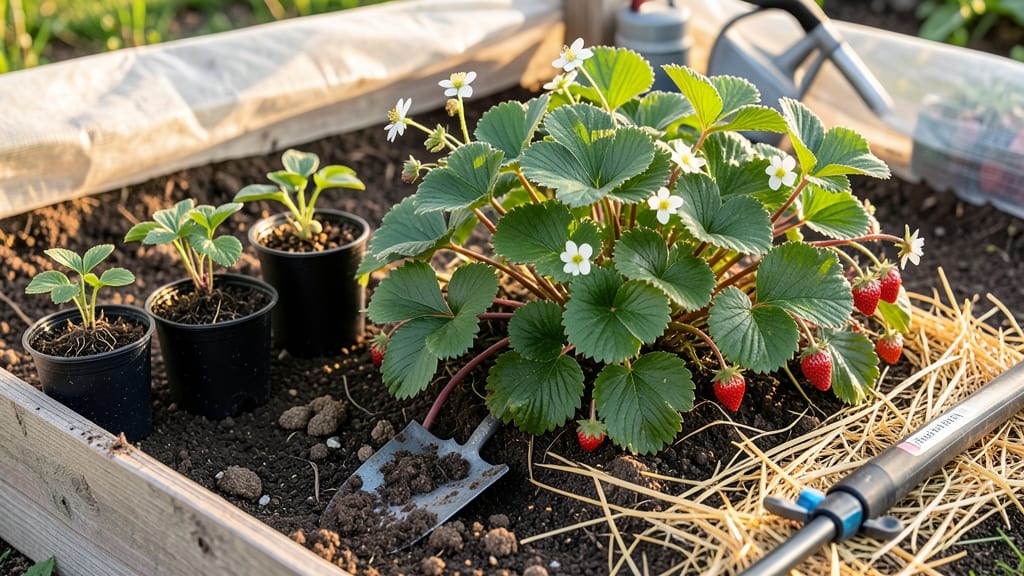
Planting strawberries in Louisiana at the wrong time can mean the difference between a bountiful harvest and struggling plants that barely survive the heat.
The key to success lies in understanding your local climate zones and choosing the perfect window—whether that’s the cooler months of September-October or early spring’s milder days in February-March.
With Louisiana’s humid subtropical climate, strawberries need the right conditions to thrive. Fall planting gives your 🍓 plants a head start, letting them establish roots before winter’s chill, while spring planting avoids the brutal summer heat.
But timing isn’t just about the calendar—soil temperature, frost risk, and even your specific USDA zone (like 8a-9b) play a crucial role.
I’ve grown strawberries in Louisiana for years, and I’ve learned the hard way that planting too early or too late can lead to poor yields or even plant loss.
In this guide, I’ll break down the exact months that work best for your region, whether you’re growing June-bearing or everbearing varieties, and how to prepare your soil for maximum success.
Ready to grow strawberries that actually produce? Let’s dive into the best planting strategies tailored to Louisiana’s unique growing conditions—so you can enjoy sweet, homegrown fruit without the guesswork.
Louisiana heat zone planting calendar: best months by strawberry type
Planting strawberries in Louisiana’s humid climate requires precision to avoid heat stress or frost damage. Most gardeners in USDA zones 7b-9a achieve success by planting in either fall (September-October) or early spring (February-March). The key is aligning your planting window with soil temperatures and frost-free periods.
Fall planting is ideal for June-bearing varieties, which need a cool dormant period to produce fruit the following spring. Everbearing and day-neutral strawberries, however, can handle spring planting and may even produce fruit that same season if planted early enough.
Here’s the breakdown of optimal planting windows tailored to Louisiana’s microclimates and strawberry types:
| Strawberry Type | Best Planting Window | Soil Temp Requirement | Frost Risk | Harvest Window |
|---|---|---|---|---|
| June-bearing | September-October (fall) | 50-60°F (10-15°C) | Low (established roots) | March-June |
| Everbearing | February-March (spring) or September (fall) | 45-55°F (7-13°C) | Moderate (spring) | April-July (spring) or October-November (fall) |
| Day-neutral | February-March (spring) or August-September (late summer) | 55-65°F (13-18°C) | Low (heat-tolerant) | April-October (continuous) |
For gardeners in southern Louisiana (zones 8a-9a), where winters are milder, spring planting in February-March works well for everbearing varieties. However, avoid planting in late spring or summer—the intense heat can cause root stress and reduce yields by up to 50%.
Always check your local frost dates—Louisiana’s average last frost in northern zones (7b) is around February 15, while southern zones (9a) rarely see frost. Planting too early in cooler zones risks frost damage to young plants.
If you’re using bare-root strawberries, plant them as soon as you receive them—don’t let the roots dry out. For potted strawberries, you can plant slightly later in spring, but aim for soil temperatures above 50°F (10°C) to ensure root establishment.
In high-humidity zones, like much of Louisiana, prioritize well-draining soil and proper spacing (18-24 inches apart) to prevent fungal diseases like gray mold. Mulching with straw or pine needles helps regulate soil temperature and moisture.
Pro tip: If you want a year-round harvest, plant everbearing varieties in fall and day-neutral varieties in spring. This staggered approach maximizes your strawberry production across Louisiana’s long growing season.
🌱
How to extend your strawberry harvest in Louisiana’s hot summers
Louisiana’s humid summers can turn strawberry plants into heat-stressed shadows of their usual selves. But with the right strategies, you can keep your berries thriving from spring through fall. The key? Shade, mulch, and smart variety selection—all tailored to your USDA zone (8a-9a).
Let’s break down how to beat the heat and extend your harvest window by 3-4 months.
First, focus on heat-tolerant varieties like ‘Chandler’ or ‘Camarosa’, which handle Louisiana’s 90°F+ temperatures better than traditional June-bearing types. These varieties also produce multiple harvests per season, making them ideal for year-round production with proper care.
Pair them with drip irrigation to keep roots cool and consistently moist—a must in our high-humidity climate.
⚠️ NON-NEGOTIABLE: Avoid planting new strawberries in June, July, or August. The soil temperature can exceed 95°F, shocking young roots. Instead, plant bare-root or potted strawberries in September or February to give them time to establish before summer heat arrives.
🌱 5 Proven Heat-Extension Strategies for Louisiana Strawberries
- 1. Mulch with 4+ inches of straw or pine needles to insulate roots and retain moisture.
- 2. Use shade cloth (30-50%) during peak afternoon sun (12-4 PM) to lower leaf temps by 10-15°F.
- 3. Prune old leaves in spring to redirect energy to fruit production and improve airflow.
- 4. Water deeply at dawn (1-2 inches per week) to avoid fungal diseases like gray mold.
- 5. Harvest early in the morning when berries are coolest and firmest.
💡 Pro Tip: Ever-bearing varieties like ‘Seascape’ produce two harvests per year—one in spring and one in fall—making them perfect for Louisiana’s extended growing season.
For container gardening, choose self-watering pots and place them in partial shade during summer. Black plastic mulch can also raise soil temps by 5-10°F, which helps in cooler spring/fall months but should be removed in summer to prevent overheating.
If you’re in Zone 9a, consider fall-planted strawberries—they’ll harvest in winter when temps are ideal.
Don’t forget to monitor for pests like strawberry clipper weevils and slugs, which thrive in Louisiana’s heat and humidity. Neem oil or diatomaceous earth can prevent damage without harming pollinators.
And if your plants stop fruiting in summer, it’s likely due to heat stress—not a lack of fertilizer. Reduce watering slightly to encourage dormancy if needed, then revive them in fall.
With these heat-beating tactics, you can harvest strawberries year-round in Louisiana—even in Zone 9a’s brutal summers. Start with shade and mulch, then adjust care based on temps. Your berry patch will thank you with juicy, sweet fruit from March through November! 🍓