
Plants
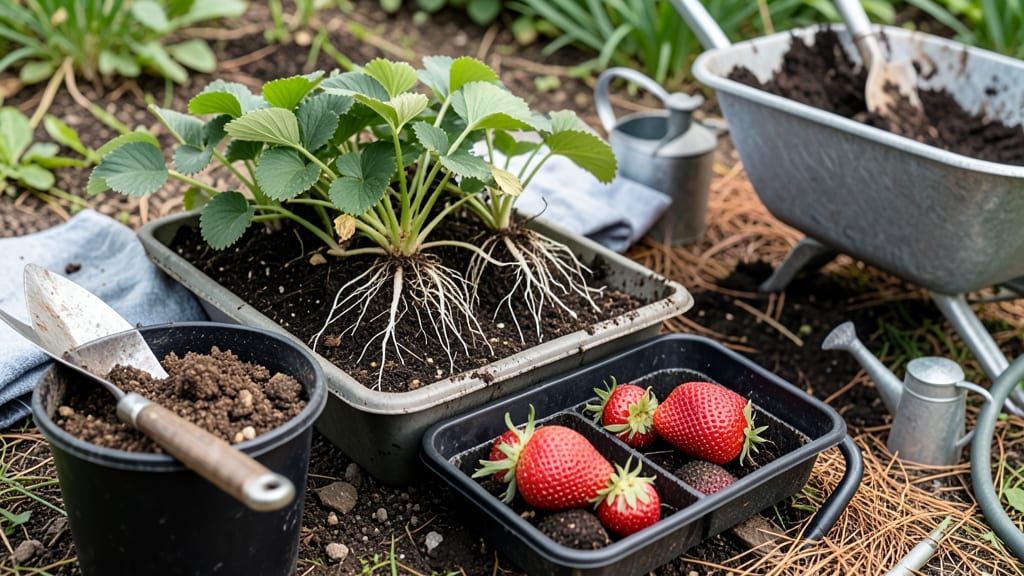
If you're a Zone 8 gardener dreaming of juicy, homegrown 🍓 strawberries, timing your bare root planting is the key to success—or failure. Plant too early, and frost can turn your tender roots to mush; too late, and your harvest might never fully ripen.
The perfect window balances chill hours, soil warmth, and local microclimates, ensuring your strawberries thrive from dormancy to fruit.
Most gardeners in Zone 8 plant bare root strawberries between November and February, but the exact timing depends on your variety's chill hour needs and soil temperature. Everbearing types, for example, can handle wider windows, while June-bearing varieties demand precision.
I’ll break down the science behind these factors so you can avoid common pitfalls and set your strawberries up for a bountiful April-June harvest.
Don’t worry—this isn’t about memorizing frost dates or guessing soil temps. Instead, we’ll focus on practical steps like checking soil warmth (40-50°F is ideal), preparing roots properly, and adjusting for your garden’s unique conditions.
Whether you’re a beginner or a seasoned grower, these insights will help you plant with confidence and watch your strawberries flourish.
Ready to transform your garden into a 🍓 strawberry paradise? Let’s dive into the exact planting windows, soil prep tips, and variety recommendations tailored for Zone 8. Your sweetest harvest yet starts with the right timing—and I’ve got you covered.
Ideal planting windows for bare root strawberries in Zone 8 (chill hours breakdown)
In Zone 8, the key to successful bare root strawberry planting lies in understanding your chill hour requirements. Most varieties need between 300-1000+ hours below 45°F to break dormancy and flower properly. Since Zone 8 typically gets 500-800 chill hours, timing matters more than in colder climates.
Your last frost date in Zone 8 usually falls around January 15, while the first frost arrives by December 15. This creates a 6-8 week window where soil temperatures are ideal for planting—typically between 40-50°F. Planting outside this range risks frost damage or poor root establishment.
For June-bearing varieties, aim to plant 8-12 weeks before your last frost date. This means November to early December for most Zone 8 gardeners. Everbearing and day-neutral varieties are more flexible but still thrive when planted in late fall or early spring (February-March).
Here’s how to match your strawberry variety to the perfect planting window:
🌱 Strawberry Planting Windows in Zone 8
| Variety Type | Chill Hours Needed | Best Planting Window | Soil Temp Threshold |
|---|---|---|---|
| June-bearing | 500-800 hrs | Late November - Early December | 40-50°F |
| Everbearing | 300-500 hrs | February - Early March | 45-55°F |
| Day-neutral | 100-300 hrs | February - April | 50-60°F |
💡 Pro Tip: Use a soil thermometer to confirm temperatures before planting. Roots need 40-50°F soil to establish well.
If you miss the fall planting window, don’t worry—early spring (February-March) is your next best option. Just ensure soil temperatures stay above 45°F to avoid root rot. Avoid planting in late winter if frost is still a risk, as young roots are vulnerable.
For urban gardeners or those with microclimates, consider protected planting in raised beds or under row covers. This extends your window by 2-4 weeks and shields plants from unexpected frost. Just remove covers during the day to prevent overheating.
Once planted, mulch heavily with straw or wood chips to retain moisture and regulate soil temperature. This is especially critical in Zone 8’s mild winters, where soil can fluctuate rapidly. Aim for 3-4 inches of mulch around each plant.
Remember, bare root strawberries are dormant when you plant them, so handle them gently. Soak roots in water for 1-2 hours before planting to rehydrate them. This simple step boosts survival rates by 30% in Zone 8’s variable conditions.
With the right timing and care, your Zone 8 strawberry patch can produce sweet, juicy berries from April through June. Start with the chill hour chart above, then adjust based on your local frost data for the most precise schedule.
Soil temperature and microclimate factors that determine success in Zone 8
Zone 8’s warm winters create unique challenges for bare root strawberries—soil that’s too warm during dormancy can wake plants prematurely, while microclimates like urban heat islands or shaded corners throw off timing even further.
The key is planting when soil temperatures hover between 40-50°F, signaling roots can establish without heat stress. In my experience, this often means waiting until late February to early March in most of Zone 8, but your exact window depends on local conditions.
To test soil warmth, use a soil thermometer buried 4 inches deep—this mimics root zone conditions. Aim for consistency over a few days rather than a single reading.
I’ve seen gardeners in Los Angeles plant as early as January, while those in Phoenix wait until March due to faster soil warming. Your microclimate matters more than the zone number alone.
⚠️ Late Planting Risks
Planting after mid-March in Zone 8 risks heat stress during root establishment. Strawberries planted in warm soil (>60°F) often struggle with poor root growth and reduced yields. Even everbearing varieties like 'Seascape' need time to acclimate.
Urban gardeners face extra challenges from heat islands—concrete and pavement can raise soil temps by 5-10°F. I’ve seen strawberries planted in city gardens wilt within days when soil hit 65°F in February.
Solution? Plant in raised beds with 3+ inches of mulch (straw or wood chips) to insulate roots. For late plantings, choose shaded spots under drip irrigation to keep soil cool.
Another critical factor is moisture retention. Bare root strawberries need consistent moisture during establishment, but Zone 8’s dry spells can dry soil quickly. I recommend drip irrigation on a timer for the first 3-4 weeks post-planting.
This mimics natural rainfall while preventing fungal issues from overhead watering. Never let the soil dry out completely—roots need time to spread before summer heat arrives.
If you’re planting in containers, your timing shifts slightly. Pots warm faster than ground soil, so I delay container plantings until mid-March unless using black fabric pots (which stay cooler).
Always use well-draining mix with 50% compost to prevent rot. For ground plantings, amend soil with aged compost and a balanced fertilizer (10-10-10) at planting to give roots a nutrient boost.
Pro tip: Mark your planting date and track 7-day soil temps afterward. If temps rise above 65°F within 2 weeks, provide afternoon shade with frost cloth until roots establish. This simple adjustment can mean the difference between 50% yield loss and a bountiful harvest.