
Plants
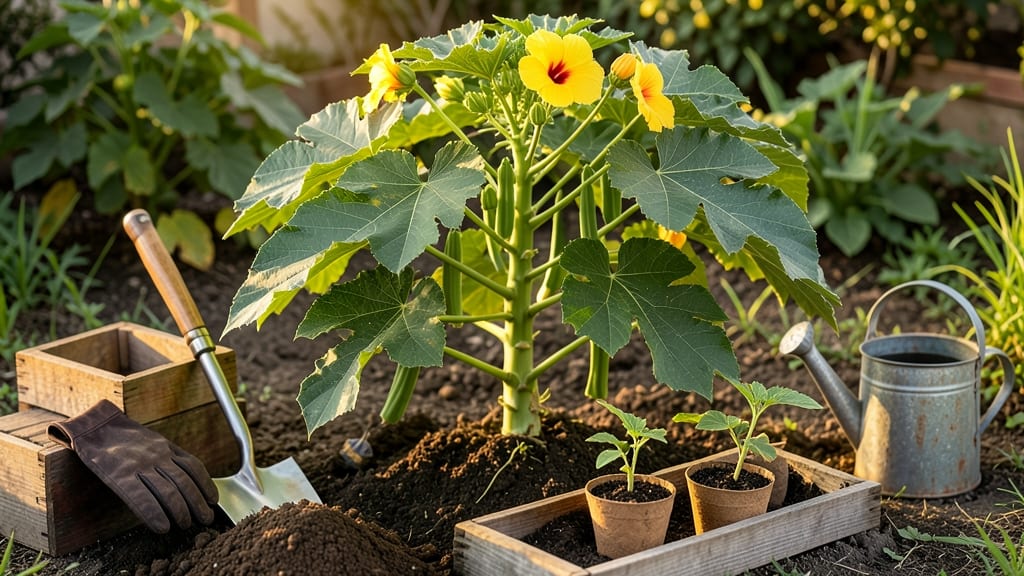
If you're wondering "when do you plant okra in Arkansas", timing is the secret weapon that separates a thriving garden from a missed harvest.
Okra 🌱 loves heat, but Arkansas' 7a-8a zones mean frost can still sneak in if you're not careful—especially in northern regions where last frost lingers until mid-April.
Here's the game-changer: Plant your okra seeds after April 15 when soil temperatures consistently hit 60°F+, but don't wait past June 15 or your harvest window shrinks dramatically.
Southern Arkansas gardeners have more flexibility, while northern growers need to time it perfectly to avoid late spring chills that stunt growth.
We'll break down the exact planting windows for your specific corner of the state, including whether direct sowing or starting seeds indoors gives you the edge. Spoiler: Okra's 60-day growth cycle means every day counts when aiming for that July-October harvest.
Ready to transform your garden? Let's map out your zero-frost planting zone and ensure your okra plants grow tall and productive—no guesswork required.
Arkansas okra planting zones: when to start based on heat zones
Okra thrives in heat and humidity, making Arkansas an ideal growing region—but timing is critical. The USDA Hardiness Zones 7a–8a across Arkansas mean your last frost date varies from mid-March in the south to early April in the north.
Okra won’t tolerate cold, so wait until soil warms to at least 60°F (15°C) before planting.
Southern Arkansas (Zones 7b–8a) can start as early as mid-April, while northern areas (Zone 7a) should wait until early May. These differences matter because okra grows best in 70°F+ soil temperatures, and planting too soon risks stunted growth or death from residual cold.
Here’s the key: Direct sow seeds 2–3 weeks after your last frost date, or when nighttime temps stay above 55°F (13°C). In Arkansas, that’s typically April 15–May 15, depending on your location.
For example, Little Rock gardeners can plant by April 20, while Fayetteville should wait until May 5.
Okra’s 60–75-day maturity means late plantings (after June 15) may not yield before Arkansas’ first frost in mid-November. Staggered sowings every 2 weeks can extend harvests through October.
🌱 Arkansas Okra Planting Zones Comparison
| Zone | Last Frost Date | Ideal Planting Window | Soil Temp Requirement | Harvest Window |
|---|---|---|---|---|
| 7a (North: Fayetteville) | April 10–15 | May 1–15 | ≥60°F (15°C) | July–October |
| 7b (Central: Little Rock) | March 25–April 5 | April 15–May 1 | ≥60°F (15°C) | June–October |
| 8a (South: Texarkana) | March 10–20 | April 1–15 | ≥60°F (15°C) | May–November |
*Source: Arkansas Climate Office frost data (2023)
Use a soil thermometer to confirm readiness—okra seeds won’t sprout in cool soil. If your garden stays below 60°F after the frost date, consider black plastic mulch to warm the soil faster. This trick works especially well in Zone 7a, where cooler springs delay planting.
For container growers, okra adapts well to pots but still needs full sun and warm soil. Start seeds indoors 4–6 weeks before your target outdoor date, using biodegradable pots to avoid root disturbance. Transplant seedlings outdoors only after hardening off for 7–10 days.
Pro tip: Pre-soak okra seeds for 24 hours before planting to speed germination. Arkansas’ high humidity helps, but seeds often struggle in dry, compacted soil. Mix in compost or aged manure to improve drainage and fertility.
Watch for false starts—some years, a late frost hits in mid-April, even in Zone 8a. Monitor Arkansas State University’s frost alerts or use frost cloth for young seedlings until danger passes. Okra’s resilience shines when given the right start.
Remember: Okra hates cold, but loves heat and humidity. Arkansas delivers both—just time your planting right to maximize those tender, 2–3-inch pods by summer’s end. 🌱
Step-by-step okra planting timeline for Arkansas’ north vs. south regions
Arkansas’ climate varies dramatically between its northern and southern regions, so your okra planting schedule should match your location. Northern Arkansas (like Fayetteville) has cooler springs, while southern areas (like Little Rock) warm up faster. Let’s break it down by region for a foolproof harvest.
For Northern Arkansas (USDA Zone 7a), aim to plant okra seeds directly outdoors between April 20–May 10. Soil temperatures must stay above 60°F (15°C) for 2+ weeks before sowing.
If you’re impatient, start seeds indoors 2–3 weeks earlier (mid-March) under grow lights, then transplant after last frost (April 15).
Southern Arkansas (USDA Zone 8a) gardeners enjoy a longer growing season. You can plant okra seeds as early as March 20–April 15—just ensure nighttime temps stay above 55°F (13°C). For extended harvests, stagger plantings every 2–3 weeks until June 1. This ensures fresh pods from summer through fall.
🌱 Northern Arkansas Okra Timeline
- 📅 March 15–25: Start seeds indoors under grow lights (if desired).
- 🌡️ April 1–15: Harden off seedlings (acclimate to outdoors).
- 🌱 April 20–May 10: Direct-sow seeds outdoors or transplant seedlings.
- ☀️ May–June: Thin seedlings to 12–18 inches apart in rows 3 feet apart.
- 📏 July–October: Harvest pods at 2–3 inches long for best texture.
In Southern Arkansas, where frost is rare, you can push your planting window even further. Direct-sow seeds in March for early varieties or June for late-season harvests. The key is maintaining consistent soil warmth—mulch with black plastic or straw to retain heat if planting early.
Avoid planting before March 15 unless you’re using a row cover to protect tender seedlings.
Regardless of region, okra thrives in heat, so prioritize well-draining soil and full sun (6+ hours daily). After planting, water deeply 1–2 inches per week, focusing on the root zone to prevent fungal issues.
A light mulch (like straw) helps retain moisture and keeps roots cool during Arkansas’ humid summers. 🌿
Pro tip: If your soil feels too cold in early spring, use a soil warming mat or plant near dark-colored containers (like black pots) to absorb heat. For container growing, choose dwarf varieties (like ‘Burgundy’) and plant in 5-gallon pots with drainage holes.
This works well for balconies or patios in urban areas like Little Rock. 🪴