
Plants
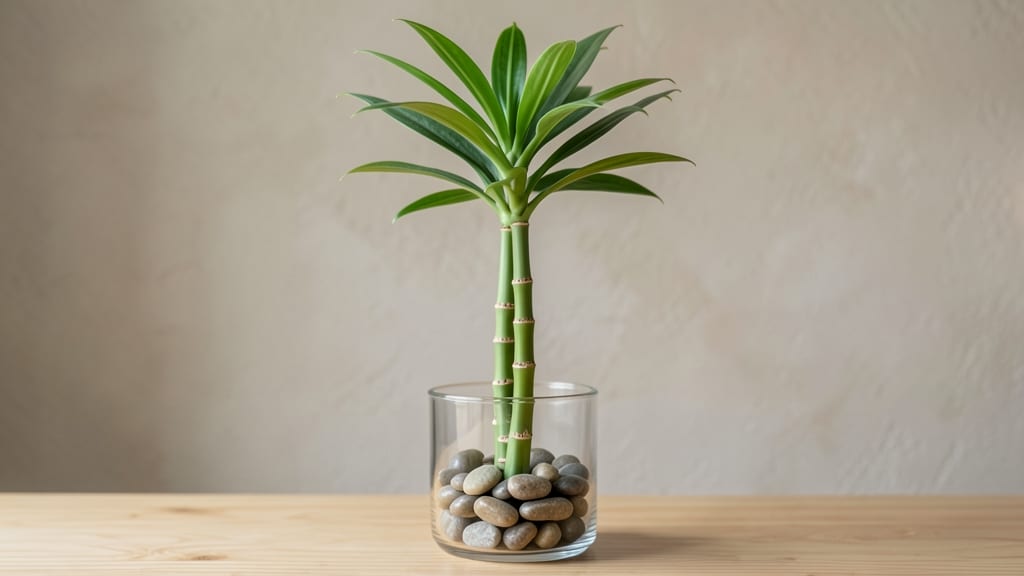
If you're wondering how tall can a lucky bamboo plant grow, you’re probably curious about whether your fast-growing houseplant will soon need a ladder to reach your ceiling.
The truth is, this popular houseplant’s height depends entirely on where you keep it, how you care for it, and whether you’re growing it indoors or outdoors.
Indoors, most Lucky Bamboo plants stay between 1 and 6 feet, making them perfect for desks or shelves. But with the right conditions—like bright, indirect light and distilled water—they can stretch taller, sometimes even reaching 72 inches or more.
If you’ve ever spotted one towering over a bookshelf, you know what I mean!
Outdoors, however, the story changes dramatically. In ideal climates like USDA Zone 6a or warmer, Lucky Bamboo can shoot up to 10 feet or taller, especially if given space to spread its roots.
The key difference? Sunlight exposure and soil quality play huge roles in whether your plant stays compact or becomes a vertical statement piece.
Don’t worry—whether you want a desk-sized plant or a towering centerpiece, I’ll show you exactly how to control its growth. From pruning tips to light tricks, you’ll learn how to keep your Lucky Bamboo at your desired height, no matter where you place it.


Lucky bamboo height guide: indoor growth limits and factors
Lucky bamboo (Dracaena sanderiana) is famous for its striking, upright growth, but its final height depends entirely on your care routine. Under ideal indoor conditions, these plants typically reach 12 to 72 inches tall—though many gardeners report heights between 24 and 48 inches in average homes.
The key to controlling height lies in understanding how light exposure, water quality, and container size interact to influence growth rates.
One common misconception is that lucky bamboo grows like traditional bamboo, which can reach towering heights outdoors. In reality, this plant is a non-woody perennial that thrives indoors and rarely exceeds 6 feet unless given exceptional care.
Even then, its growth slows dramatically after reaching maturity, making it an excellent choice for small spaces like offices or apartments.
Here’s how your plant’s height is determined by everyday care choices you might not realize impact growth:
| Factor | Impact on Height | Optimal Care |
|---|---|---|
| Light Exposure | Low light = 12–24"; Bright indirect = 36–72" | North-facing window, 2–4 hours daily |
| Water Quality | Chlorine/fluoride = stunted growth; Distilled = faster growth | Filtered or distilled water only |
| Container Size | Small pot = compact growth; Large pot = taller stems | 1–2 inches wider than stem diameter |
| Fertilizer Use | Over-fertilizing = leggy growth; Balanced = even height | 5-5-5 NPK, every 2–3 months |
| Pruning Frequency | None = natural height; Regular = controlled height | Trim brown tips or overgrowth |
Notice how light exposure is the single biggest factor in determining height. Plants placed in low-light conditions (like dim offices) often stay under 2 feet tall, while those near bright windows can shoot up to 6 feet in just a year.
The trick is finding that sweet spot where your lucky bamboo gets enough light to thrive without becoming leggy or weak.
Another surprising factor is water quality. Lucky bamboo is extremely sensitive to chlorine and fluoride in tap water, which can stunt growth or even kill the plant over time.
Always use filtered or distilled water to encourage healthy, vigorous stems. I’ve seen plants double in height within months after switching to better water sources!
If you’re aiming for a compact lucky bamboo (like the classic desk-sized variety), choose a smaller container and avoid over-fertilizing. The roots will fill the pot quickly, signaling the plant to focus on leaf production rather than vertical growth.
For taller specimens, opt for a tall, narrow vase and place it near a window where it can stretch toward the light.
One telltale sign your lucky bamboo is reaching its natural height limit is when the new growth slows and the stems become woody at the base. At this point, even with perfect care, the plant will stop growing taller.
This usually happens around 3–5 years of age, depending on conditions. Pruning the top growth can encourage bushier, fuller plants instead of a single tall stalk.
Pro tip: Rotate your plant every few weeks to ensure even light exposure on all sides. Uneven lighting causes plants to lean or grow unevenly, which can make them appear shorter or lopsided. A little rotation goes a long way in maintaining a balanced, attractive shape while controlling height naturally.
Finally, remember that lucky bamboo doesn’t produce seeds or flowers—its height is purely determined by stem elongation. If you’re happy with your plant’s current size, you can prune it back to encourage new shoots at the base, creating a fuller, bushier look without sacrificing height.
It’s all about working with the plant’s natural growth habits!
Outdoor lucky bamboo growth: when and how much taller it gets
When you move your lucky bamboo outside, you’ll notice a dramatic difference in growth potential. In ideal conditions, these plants can reach up to 10 feet tall or more, far surpassing their indoor counterparts.
The key factors driving this rapid height increase are sunlight exposure, temperature, and container size.
Outdoor lucky bamboo thrives in USDA zones 10-12, where warm climates and consistent humidity fuel its growth. Even in cooler regions, a single summer season can add 3-5 feet of height if given proper care.
The plant’s natural habitat in tropical Asia explains why it stretches so aggressively when conditions mimic its native environment.
However, not all outdoor locations are equal. Direct afternoon sun can scorch tender leaves, while shady spots may slow growth significantly. Finding that bright indirect light sweet spot is crucial for maximizing height without risking damage.
⚠️ Outdoor Transition Warning
Moving lucky bamboo outside too quickly can cause sunburn or root shock. Always acclimate plants gradually over 7-10 days by placing them in partial shade before full sun exposure.
Use drip irrigation or self-watering containers to prevent uneven moisture that stresses plants during the transition.
For optimal outdoor growth, choose large containers with drainage holes (at least 12 inches in diameter) to accommodate the plant’s expanding root system. Lucky bamboo’s roots can grow twice as long as the plant’s height, so container size directly impacts how tall it can become.
The best time to transition outdoor lucky bamboo is during its active growing season (spring to early fall). If you notice new growth slowing in winter, it’s a sign to bring potted plants indoors before temperatures drop below 50°F.
This plant is not frost-tolerant and will suffer severe damage if exposed to freezing conditions.
To encourage maximum height, feed your outdoor lucky bamboo with a balanced liquid fertilizer (5-5-5 NPK) every 4-6 weeks during growing months. The extra nutrients help the plant develop stronger stems capable of supporting its increased height without bending or breaking.
Remember that even with perfect outdoor conditions, lucky bamboo’s growth rate will naturally slow in mature plants. After reaching 6-8 feet tall, most varieties maintain their height rather than continuing upward growth. This makes outdoor lucky bamboo an excellent vertical accent plant for gardens and patios.