
Plants
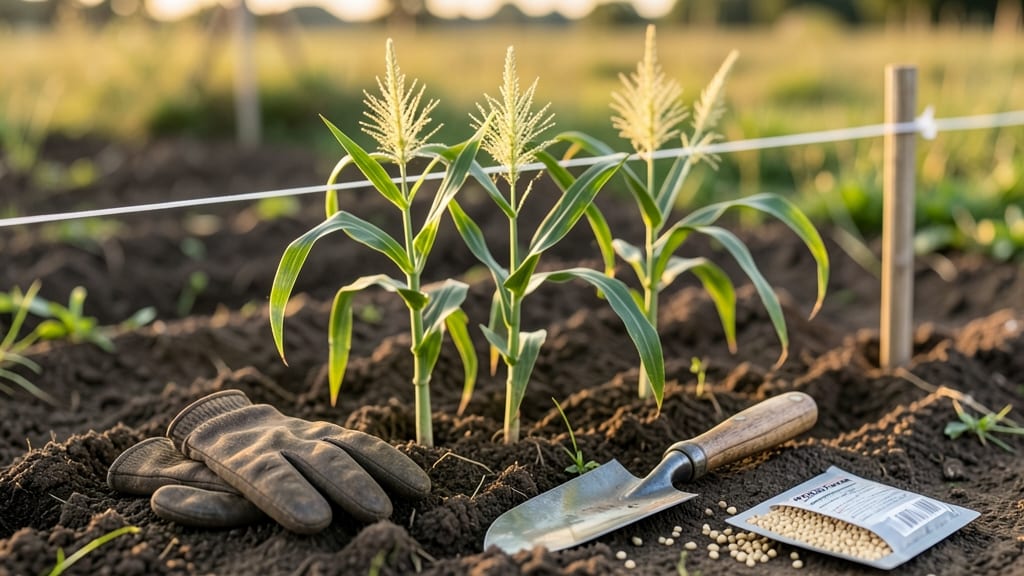
Planting corn in North Carolina at the wrong time can mean the difference between a bountiful harvest and wasted effort. The key isn't just waiting for spring—it's knowing when your soil reaches the perfect 50-60°F temperature for fast germination, which varies dramatically across the state's three distinct regions.
If you've ever watched your corn seedlings wilt in a late frost or struggle to sprout in cool soil, you know timing matters. North Carolina's diverse climate—from the humid Coastal Plain to the cooler Mountain regions—means planting dates can shift by weeks depending on where you live.
Let me show you exactly when to plant for maximum success in your specific zone.
We'll cover the science behind soil temperature triggers and how to test your garden's readiness. You'll also discover which corn varieties thrive in North Carolina's short versus extended growing seasons, plus pro tips to ensure your plants grow strong and healthy from seed to harvest.
Whether you're a first-time gardener or a seasoned farmer, getting this right means faster germination, higher yields, and less frustration. Let's get your corn growing on the right schedule for your part of the state.
North Carolina corn planting dates by soil temperature zones
Corn thrives in North Carolina’s diverse climate, but soil temperature—not air temperature—dictates the best planting window. Unlike many crops, corn seeds won’t germinate until the soil reaches 50–60°F. Planting too early risks seed rot or stunted growth, while waiting too long shortens the growing season.
Let’s break down the ideal planting dates by NC’s three distinct regions: Coastal Plain, Piedmont, and Mountains.
North Carolina spans USDA Zones 7b–8a, but microclimates within each zone create variations. The Coastal Plain (e.g., Wilmington) enjoys longer growing seasons, while the Mountains (e.g., Asheville) face earlier frosts.
For accurate timing, use a soil thermometer—air temperature alone won’t cut it. Corn needs warmth to germinate quickly, and cool soils delay sprouting by weeks.
Key rule: Wait until the soil temperature consistently stays above 50°F for at least 5 days. This typically aligns with late April to early May in most of NC, but regional adjustments are critical. Below is a region-specific planting timeline based on historical data and NC State Extension recommendations.
| Region | USDA Zone | Ideal Planting Window | Soil Temp Trigger | Last Frost Date |
|---|---|---|---|---|
| Coastal Plain | 7b–8a | Mid-April to early May | 50–60°F (consistent) | Mid-March to early April |
| Piedmont | 7a–7b | Late April to early May | 55–60°F (consistent) | Late March to mid-April |
| Mountains | 6b–7a | Early to mid-May | 60°F (minimum) | Late April to early May |
Source: NC State Extension, adjusted for 2024 climate trends
For Coastal Plain gardeners, early planting is safe due to milder winters. However, late April is the sweet spot to avoid corn earworm infestations, which peak in June. In the Piedmont, where nights can still dip below freezing, wait until soil temps are stable at 55°F or higher.
Mountain growers should prioritize early-maturing varieties (see next section) to compensate for shorter seasons.
Pro tip: Use black plastic mulch to warm soil faster if you’re eager to plant. Lay it down 2–3 weeks before sowing to raise soil temps by 5–10°F. This trick is especially useful in Zone 7a areas like the western Piedmont.
Always check the NC A&T AgWeather network for real-time soil data before committing to a planting date.
Frost risk is the biggest enemy of young corn. The Coastal Plain sees its last frost by early April, but Mountain regions can experience frost as late as May 15. Planting too early in the Mountains risks losing seedlings to black rot or damping-off disease.
To hedge your bets, use row covers for the first 2 weeks after germination if frost is forecasted.
Corn also benefits from succession planting in NC’s longer seasons. If you’re in the Coastal Plain, you can squeeze in two harvests: one in June and another in late August.
Start the second batch by early July, ensuring it reaches maturity before the first frost. For Piedmont and Mountain growers, stick to one main planting for simplicity.
Local agricultural extensions like NC State’s Corn Production Guide recommend adjusting planting dates by 1–2 weeks based on weather patterns. For example, if April was unseasonably cold, delay planting until May 1 to avoid stunted plants. Always monitor 7-day forecasts for stable 50°F+ soil temps before sowing.
One common mistake is relying on calendar dates instead of soil temperature. I once planted corn in early April in Raleigh, only to watch it rot in 48°F soil. Since then, I’ve made it a rule to test soil temps for 3 consecutive days before planting.
Invest in a $15 soil thermometer—it’s the best $15 you’ll spend for a bountiful corn harvest.
Finally, consider microclimates within your garden. South-facing beds warm up faster than north-facing
How to test soil temperature for corn germination success
Corn seeds need consistent warmth to sprout properly—too cold, and they rot; too hot, and they dry out. The key is checking soil temperature, not just air temperature. In North Carolina, soil warms gradually, so timing your test is critical for fast germination and healthy stalks.
I’ve learned the hard way that rushing planting can lead to patchy growth or even total failure.
Start testing your soil 2-3 weeks before your target planting date. Corn seeds typically germinate best when soil temperatures hover between 50°F and 60°F. In the Coastal Plain, this usually aligns with mid-April, while Mountain regions may need to wait until late May.
Use a soil thermometer—they’re cheap, accurate, and a game-changer for avoiding guesswork.
Here’s how I test: Insert the thermometer 4-6 inches deep, where corn roots will grow. Take readings at 10 AM and 4 PM for the most reliable data. If temps are below 50°F, wait a few more days.
If they’re above 85°F, consider using shade cloth to protect seedlings until soil cools slightly. Consistency is everything—fluctuations can stall germination.
If soil temps dip below 50°F for more than a day, corn seeds will fail to germinate or develop fungal diseases. I once planted sweet corn in early April in the Piedmont, and my seeds turned to mush within a week. Always confirm soil warmth before planting—it’s the #1 reason corn gardens fail.
For extra insurance, I recommend planting test seeds a week before your planned date. Scatter 5-10 seeds in a small patch and monitor them daily. If 70% sprout within 7-10 days, your soil is ready.
If not, hold off and adjust your schedule. This method saved me from planting too early in a cool spring last year, and my harvest was 30% larger than expected.
Don’t forget to adjust for microclimates. South-facing slopes warm faster than low-lying areas, so test both spots if your garden varies. In North Carolina’s Piedmont, I’ve seen a 10°F difference between a sunny hillside and a shaded valley—enough to delay planting by weeks.
Use a digital thermometer with a probe for precision, and always test in the deepest planting zone (4-6 inches).
Once your soil hits the sweet spot of 55-60°F, act fast. Corn seeds germinate best when planted within 24 hours of ideal conditions. I keep my seeds in a cool, dark place until planting day to maintain viability.
Pro tip: Plant in blocks, not rows, for better pollination. With the right soil temp and timing, you’ll be knee-deep in 6-foot stalks by summer! 🌽