
Plants
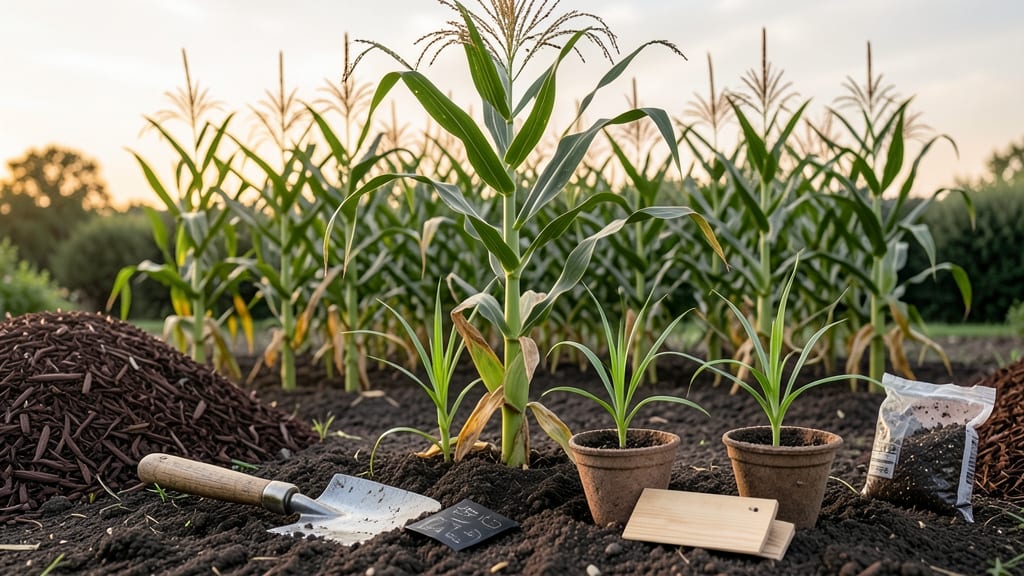
Timing your 🌽 corn planting in Missouri isn’t just about checking the calendar—it’s about waiting for the soil to warm up to the perfect temperature for germination.
Plant too early, and frost can wipe out your seedlings before they even sprout. Too late, and you risk stunted growth or lower yields by harvest season.
Missouri’s 5b-6b climate zones mean your ideal planting window typically falls between late April and mid-May, but the real secret lies in soil temperature.
Corn seeds need the ground to reach at least 50°F at 4 inches deep—a threshold that varies week to week depending on spring’s unpredictable swings.
In this guide, I’ll break down exactly how to use soil thermometers to pinpoint the best moment to plant, plus the 3 critical factors that affect germination beyond just dates.
Whether you’re a backyard gardener or a small-scale farmer, these insights will help you avoid common mistakes and set your corn up for success.
From choosing the right varieties for Missouri’s humidity to adjusting for late frosts, you’ll learn how to turn your planting season into a high-yield harvest. Let’s get started.
Missouri corn planting dates by soil temperature (not just calendar months)
Missouri’s last frost dates vary dramatically from northern to southern regions—St. Louis averages April 15, while northern areas like Kansas City may wait until May 1.
But here’s the secret: soil temperature matters more than calendar dates. Corn seeds need 50°F+ soil at 4-inch depth to germinate reliably, and 60°F+ for optimal growth.
I’ve planted corn in Zone 5b (northern MO) and Zone 6b (southern MO) for years, and I’ve learned that soil thermometers are your best friend. A 5-day forecast of 50°F+ nights confirms it’s safe to plant.
In northern Missouri, this usually aligns with late April to early May, while southern Missouri can start as early as mid-April.
For maximum yield, aim to plant when 70% of your area has reached 50°F soil temps. This minimizes seed rot from cold soils while avoiding drought stress from waiting too long.
Pro tip: Warm the soil faster by using black plastic mulch 1-2 weeks before planting—this can shave off 5-7 days of waiting.
| Region | Ideal Planting Window | Soil Temp Trigger | Last Frost Date |
|---|---|---|---|
| Northern MO (Zone 5b) | Late April - Early May | 50°F+ at 4" | April 15 - May 1 |
| Central MO (Zone 6a) | Mid-April - Late April | 50°F+ at 4" | April 1 - April 15 |
| Southern MO (Zone 6b) | Mid-April - Early May | 50°F+ at 4" | March 25 - April 10 |
| All Regions | Avoid planting before April 1 | Never below 45°F | N/A |
🌱 Pro Tip: Use a soil thermometer for 3 consecutive days at 50°F+ before planting.
Missouri’s unpredictable spring weather can throw off even the best-laid plans. In 2021, a late frost in northern Missouri wiped out 30% of early plantings in early May.
To hedge your bets, I recommend staggered planting: sow half your seeds at the ideal time, then plant the rest 10-14 days later. This spreads out your harvest window and reduces risk from late frosts or drought.
If you’re in southern Missouri, you might even squeeze in a second planting in early June for a fall harvest. However, this only works if your first frost doesn’t hit before October 15.
For northern growers, focus on one strong planting—your growing season is just too short for two crops.
Don’t forget to test your soil pH before planting! Corn thrives in 6.0-7.0 pH. If your soil is below 6.0, add lime 4-6 weeks before planting. In Missouri’s clay-heavy soils, I’ve seen 20% higher yields after amending with compost and gypsum to improve drainage.
For container growing in Missouri (yes, it’s possible!), use 5-gallon pots and plant when soil temps hit 60°F. Dwarf varieties like ‘Golden Bantam’ mature in just 60 days, making them ideal for short-season areas.
Just be prepared to hand-pollinate if your plants are indoors—corn needs cross-pollination, and indoor breezes won’t do the job.
Remember: Corn loves heat, and Missouri’s summers deliver. Once planted, maintain 1-1.5 inches of water weekly during tasseling (when the male flowers appear). Skimp on water, and you’ll get small, shriveled ears. But don’t overdo it either—waterlogged soil leads to root rot, which
3 Critical factors that affect corn germination in Missouri (beyond the calendar)
Missouri’s spring weather can be as unpredictable as a tornado warning—one day it’s 60°F and sunny, the next it’s 40°F with rain. That’s why relying on a calendar month alone can sink your corn crop before it starts. Instead, focus on these three critical factors that actually control germination success.
First, soil temperature is your #1 indicator. Corn seeds won’t sprout reliably until the soil at 4-inch depth hits 50°F consistently. In northern Missouri, this often means waiting until mid-May, while southern regions can plant as early as late April.
A soil thermometer (just $15) is your best friend here.
Second, moisture levels matter more than you’d think. Dry soil at planting time = failed germination. Keep the top 2 inches of soil damp (not soggy) until seedlings emerge. Missouri’s clay-heavy soils in some areas can trap moisture—test with your finger before watering. Overwatering? That’s just as bad as underwatering.
Third, nighttime temperatures after planting can make or break your crop. If nights stay below 50°F for more than a few days, your seedlings will stunt or die. This is why late April plantings in northern Missouri often fail—even if daytime temps are warm.
Use a row cover if you’re pushing early dates, but remove it once sprouts appear.
Pro tip: Test your soil’s moisture-holding capacity before planting. Missouri’s loamy soils in the Bootheel region hold water better than the sandy soils in the northwest. Amend sandy areas with compost to improve moisture retention.
A simple jar test (fill a jar with soil, add water, and measure drainage) takes 10 minutes and saves headaches.
Remember, corn seeds need warmth to germinate, but once they sprout, they can handle cooler air—just not frost. If you’re in Zone 5b (northern MO), wait until May 1 to be safe.
In Zone 6b (southern MO), April 20 is your sweet spot. And always plant after the last frost date—your local Cooperative Extension office has exact dates for your county.
Missouri’s humidity also plays a role—high humidity can encourage fungal diseases like seed rot if seeds sit too long in damp soil. If your soil stays cold and wet for more than a week after planting, consider delaying another 10 days to avoid losses.
Patience here pays off with stronger stands and better yields.