
Plants
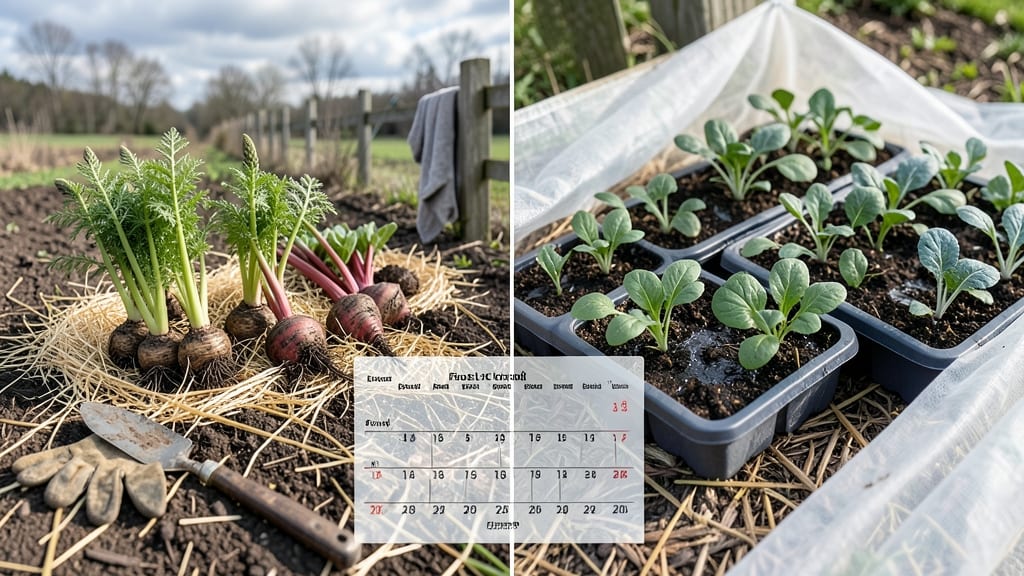
Knowing when is it safe to plant in Minnesota can make or break your garden dreams—especially when you’ve spent weeks prepping your soil and seedlings. One late frost, and all that hard work could vanish overnight.
The good news? With the right timing, you can avoid this common gardener’s nightmare and enjoy a bountiful harvest of your favorite 🌱 General Minnesota Plants.
Minnesota’s frost dates vary wildly from north to south, with the northern regions (like zones 3b-4a) often waiting until late May, while southern areas (like 5a) might be frost-free by early May. But don’t just rely on the calendar—soil temperature and local microclimates play a huge role too.
I’ll break down exactly what to watch for so you can confidently plant your warm-season veggies like tomatoes and peppers without fear of a surprise freeze.
Even if you’re eager to get started, rushing into the garden too soon can lead to stunted growth or worse. The key is understanding your region’s average last frost date—and how to adjust for early or late springs.
Whether you’re planting cool-season crops in spring or warm-season favorites in summer, timing is everything. Let’s dive into the stress-free way to nail your planting schedule this year.
You’ll also discover how to use simple tricks—like checking soil warmth or watching for leafing trees—to confirm it’s truly safe before you stick that first seed in the ground. No more guessing games, just a foolproof plan tailored to Minnesota’s unpredictable climate. Ready to grow with confidence? Let’s get started.
Minnesota’s last frost dates by region: when to plant warm-season vegetables safely
Minnesota’s last frost dates vary dramatically across its 8 distinct regions, making it critical to know your local average. Warm-season crops like tomatoes, peppers, and corn need consistent warmth—so planting too early can mean stunted growth or death.
Let’s break down the safe planting windows by region to help you avoid frost damage.
Northern Minnesota (Zones 3-4) typically sees its last frost around May 20-30, while southern areas (Zones 4-5) can be frost-free by May 5-15. These dates shift yearly, but understanding your region’s pattern helps you plan.
For example, Duluth may still have frost in early June, while Rochester often warms up by mid-May.
Warm-season vegetables like tomatoes, peppers, and squash need soil temperatures above 50°F and consistent warmth. Planting before these conditions are met risks frost damage or poor germination. Always use a soil thermometer to confirm readiness—especially in northern climates where soil warms slower.
| Region | Last Frost Date | Safe Planting Window | Warm-Season Crops |
|---|---|---|---|
| Northern MN (Zones 3-4) | May 20-30 | June 1-15 | Tomatoes, Peppers, Corn, Beans |
| Twin Cities (Zone 4b) | May 10-20 | May 25-June 5 | Tomatoes, Peppers, Cucumbers, Squash |
| Southeast MN (Zone 5a) | May 5-15 | May 15-30 | Tomatoes, Peppers, Eggplant, Corn |
| Southern MN (Zone 5b) | April 25-May 5 | May 10-20 | Tomatoes, Peppers, Melons, Okra |
| Western MN (Zones 4a-4b) | May 15-25 | June 1-10 | Tomatoes, Peppers, Green Beans, Zucchini |
If you’re in northern Minnesota, consider starting warm-season crops indoors in early April. Transplant seedlings outdoors after the last frost date and use row covers for extra protection.
For southern Minnesota, you can plant directly outdoors as early as mid-May, but always check 7-day forecasts for late frosts.
For tomatoes and peppers, wait until soil temperatures hit 60°F—they’re sensitive to cold. Corn needs consistent warmth for germination, so avoid planting until after May 20 in most regions. Use black plastic mulch to warm soil faster if you’re eager to plant early.
Even if your region’s last frost date has passed, late-season frosts can still occur. Monitor local weather alerts and have row covers ready. In Zone 3 areas, consider using a cold frame to extend the growing season for heat-loving plants like eggplants or peppers.
Pro tip: Use Almanac’s Frost Calculator (available online) to input your ZIP code for hyper-local frost predictions. This tool accounts for microclimates and historical data, giving you the most accurate planting window for your specific location.
Remember, soil temperature matters more than air temperature. A soil thermometer is your best friend—warm-season crops need consistent warmth to thrive. If your soil is still below 50°F, wait a few more days, even if the calendar says it’s safe.
For fall planting, aim to sow warm-season crops by mid-August in southern Minnesota or early September in northern areas. This gives plants time to mature before the first frost, which
How to adjust planting times for cold-hardy crops and frost-tolerant plants
Minnesota’s cool-season crops thrive when planted 4-6 weeks before the last frost date. Unlike warm-season veggies, these plants love the chill and can even handle light frosts. Think spinach, kale, peas, and broccoli—they’re your early-season superstars!
For frost-tolerant flowers like pansies, snapdragons, and calendula, you can start planting as early as late March or early April in most regions. These hardy beauties add color to your garden before warm-season blooms even think about waking up.
🌱 Pro Tip: Use row covers or cold frames to extend your planting window. These simple tools can add 2-4°F of warmth, protecting tender seedlings from unexpected frosts. I’ve used them to plant lettuce and radishes in late February with great success!
📌 Numbered Highlights for Cold-Hardy Planting
- 1. Start seeds indoors in February-March for cool-season crops like cabbage or Brussels sprouts.
- 2. Direct-sow peas and spinach as soon as soil is workable (35-40°F), often 2-4 weeks before last frost.
- 3. Harden off seedlings gradually before transplanting to avoid shock from temperature swings.
- 4. Use mulch (straw or shredded leaves) to insulate soil and keep roots cool.
- 5. Succession plant every 2 weeks for continuous harvests of lettuce or radishes.
Don’t forget about perennial herbs like chives, thyme, or oregano. These can be planted in early spring or fall and will reward you with years of harvests with minimal effort. I’ve seen thyme bushes survive -20°F winters in my Zone 4 garden!
For fall planting, aim to sow cool-season crops 90-120 days before your first frost date. This gives them time to mature before winter sets in. Kale, carrots, and beets are perfect choices—they sweeten with frost, making them even tastier!
🌿 Remember: Always check your local frost dates (they vary by 5-10 days across Minnesota). When in doubt, plant a few extra seeds—you can always thin them later!