
Plants
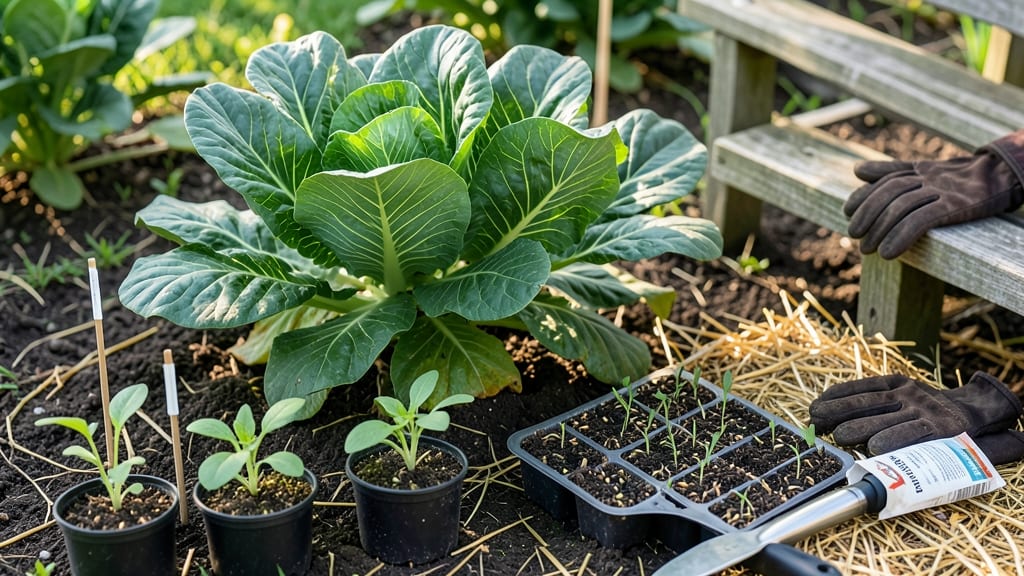
If you're wondering when to plant collards in Georgia, timing is the secret to a bountiful harvest of those crisp, flavorful 🥬 leaves. Georgia's mild winters and long growing season create perfect conditions for collards—if you plant them at the right moment.
The key is avoiding early frosts while giving your plants enough warmth to thrive. In USDA zones 7b-8b, your best windows are late February to March for spring planting and August to September for fall. These timing strategies help you dodge heat stress and maximize leaf production.
But here's the thing: not all of Georgia is the same. Coastal areas like Savannah have different frost dates than Atlanta, and your local microclimate matters too. I'll show you exactly how to align your planting with your specific county's frost-free timeline for foolproof results.
Ready to grow collards that keep producing through fall? Let's break down the exact steps to plant, nurture, and harvest your greens—so you can enjoy homegrown goodness from April through December.
Georgia’s collard planting calendar by heat Zone (with frost dates)
Georgia’s USDA hardiness zones 7b–8b create a perfect climate for growing collards, but timing matters—plant too early and frost will kill tender seedlings, too late and summer heat stresses the plants.
The key is aligning your planting with average last frost dates (typically mid-March) and soil temperatures above 55°F. Most Georgia counties fall into two planting windows: early spring (February–March) and late summer (August–September) for fall harvests.
For North Georgia (Zone 7b), like Atlanta, Gainesville, and Dalton, aim for February 15–March 15 to avoid late frosts. In Central Georgia (Zone 8a), including Macon, Columbus, and Warner Robins, you can start as early as January 20–February 10.
Meanwhile, South Georgia (Zone 8b), such as Savannah, Brunswick, and Valdosta, enjoys a longer window from January 1–March 1 and can even plant collards in December with minimal frost risk.
Here’s a quick reference for your county’s ideal planting window based on USDA zones and frost-free averages:
| Zone & County | Spring Planting Window | Fall Planting Window | Last Frost Date | First Frost Date |
|---|---|---|---|---|
| Zone 7b (North GA): Atlanta, Gainesville, Dalton | February 15–March 15 | August 15–September 15 | March 15 | November 15 |
| Zone 8a (Central GA): Macon, Columbus, Warner Robins | January 20–February 10 | August 1–September 10 | March 1 | November 10 |
| Zone 8b (South GA): Savannah, Brunswick, Valdosta | January 1–March 1 | July 15–August 30 | February 15 | November 20 |
Pro tip: Use mulch (straw or black plastic) to warm soil faster in early spring or protect seedlings from late frosts.
In South Georgia, where winters are milder, you can even plant collards in December for an early harvest—just cover with row fabric if temperatures dip below 35°F.
For container gardening in urban areas like Atlanta or Savannah, start seeds indoors 6–8 weeks before your last frost date or buy transplants from local nurseries. Containers warm up faster, so you can plant 2–3 weeks earlier than in-ground gardens.
If you’re in Zone 7b and miss the spring window, don’t worry—fall planting (August–September) often yields the sweetest, most tender leaves. Just be sure to harvest before first frost or use row covers to extend the season.
Remember: Collards hate heat above 90°F, so avoid planting in June–July. Instead, focus on spring and fall for optimal growth and flavor.
For extra precision, check your county’s local extension office for micro-climate adjustments. For example, high-elevation areas like Blue Ridge may need to wait until late March, while coastal regions like Sapelo Island can plant year-round.
Once you’ve nailed your planting window, focus on soil prep—collards thrive in well-draining, slightly acidic soil (pH 6.0–6.8). Amend with compost and a balanced fertilizer (10-10-10) to encourage lush growth.
5 Critical factors that determine your collard planting window
Georgia’s collard planting window isn’t just about frost dates—it’s also about soil warmth, heat tolerance, and disease risks. Collards thrive when soil temps hit 55°F+, but they’ll bolt in 90°F+ heat. Let’s break down the 5 factors that decide your perfect planting time.
First, soil temperature is non-negotiable. Collard seeds won’t germinate below 50°F, but they grow fastest at 60°F–75°F. In Zone 7b–8b, this means waiting until mid-February for spring plantings—earlier risks stunted growth. Use a soil thermometer to check before sowing.
Next, heat stress cuts harvests short. Georgia summers push temps past 95°F, causing collards to bolt or wilt. Plant late summer (August–September) for fall harvests, but use shade cloth if temps exceed 85°F. Varieties like ‘Georgia Southern’ handle heat better than others.
Don’t overlook disease prevention. Humid Georgia summers breed downy mildew and black rot. Space plants 18–24 inches apart for airflow, and avoid overhead watering. Mulch with straw to keep leaves dry—a simple trick that slashes fungal risks by 50%.
Container gardening extends your window in urban areas. Pots warm faster than ground soil, letting you start 2–3 weeks earlier in spring. Just ensure containers have drainage holes and use lightweight potting mix to prevent overheating.
Finally, succession planting maximizes yields. Sow new seeds every 2–3 weeks from February to September. This ensures a steady supply of tender leaves year-round, even in Georgia’s short harvest windows.
🌱 Critical Planting Factors for Georgia Collards
- 1. Soil Temp: Wait for 55°F+ (mid-February for spring).
- 2. Heat Tolerance: Avoid planting when temps exceed 90°F.
- 3. Disease Risk: Space plants 18–24" apart for airflow.
- 4. Container Gardening: Start 2–3 weeks earlier in pots.
- 5. Succession Planting: Sow every 2–3 weeks for continuous harvests.
Pro tip: Use a planting calendar to track these factors. Mark your last frost date, soil warm-up, and heat spikes. For example, Atlanta (Zone 7b) sees its last frost around March 15, but soil may not be ready until April 1. Adjust accordingly!
Now that you’ve got the timing down, your next step is choosing between spring vs. fall plantings. Each has unique advantages—like longer harvests in fall or bolting resistance in spring. Let’s compare them next.