Container Gardens
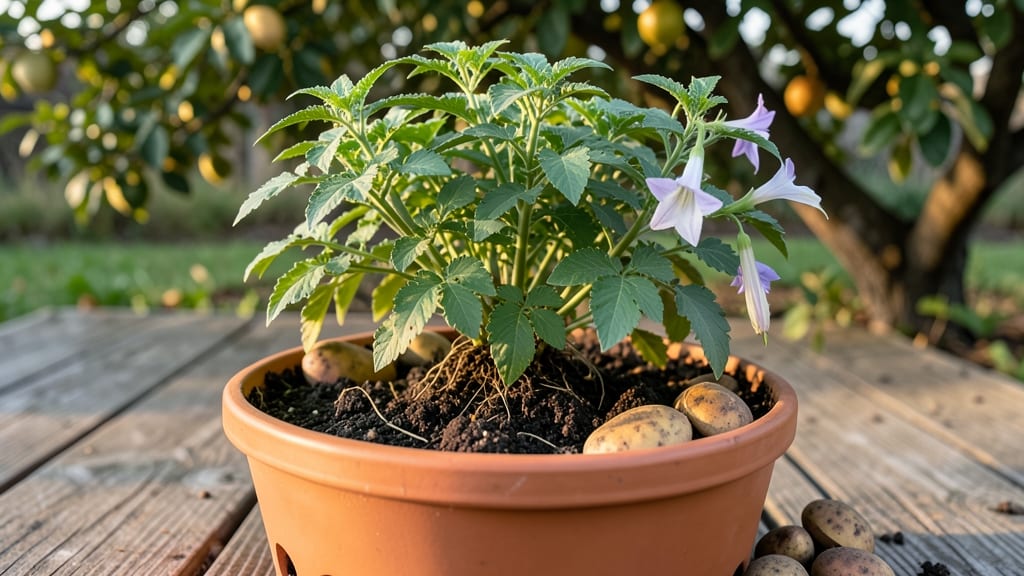
If you've ever wondered "when do I plant potatoes in containers", timing is everything—especially when you're working with limited space and need to maximize your harvest. The right window means the difference between plump, flavorful 🥔 and sad, stunted tubers.
Most gardeners swear by planting 2–4 weeks before the last frost when soil hits 45–55°F, but containers warm up faster than ground soil, so you might get a head start.
Whether you're in Zone 3 or Zone 10, knowing your local frost dates and soil temps is the key to success.
I’ll break down the best planting times by zone, container prep tips, and how to adjust for early or late harvests—so you can grow potatoes year-round, even in small spaces. Let’s dig in.
From frost-free deadlines to soil temperature tricks, you’ll learn exactly when to plant for a bountiful harvest, no matter where you live. Ready to turn those containers into a potato powerhouse?
Best planting dates for potatoes in containers by USDA hardiness zones
Getting the timing right for container-grown potatoes is critical—especially since containers warm up faster than garden beds. I’ve planted potatoes in 5-gallon buckets for years, and I’ve learned that soil temperature (not just air temperature) determines success.
Aim to plant when your container soil reaches 45-55°F, which typically aligns with 3-5 weeks before your last frost date.
Your USDA hardiness zone dictates your exact window. For example, in Zone 3-4, I plant in late April to early May, while in Zone 9-10, I might start as early as February for a fall harvest.
Containers let you push these boundaries—just be prepared for extended growing seasons with row covers or cold frames.
Here’s the key rule: Early varieties (like 'Red Pontiac') can handle cooler soil, while late varieties (like 'Russet Burbank') need warmer conditions. Since containers dry out faster, I always add moisture-retentive potting mix to keep roots happy during germination.
Pro tip: Use a soil thermometer to check temperatures. If your container soil is below 45°F, wait—cold soil delays sprouting and invites rot. In my experience, black containers absorb heat faster than white or silver ones, giving you a 1-2 week head start in spring.
🌱
| USDA Zone | Last Frost Date | Ideal Planting Window | Soil Temp Goal | Best Varieties |
|---|---|---|---|---|
| 3-4 | Mid-May | Late April–Early May | 45–50°F | Red Pontiac, Yukon Gold |
| 5-6 | Mid-April | Early April–Early May | 48–52°F | Kennebec, Fingerling |
| 7-8 | Early March | February–March | 50–55°F | Sweet Potato, Purple Viking |
| 9-10 | None (year-round) | Fall or Winter | 55–60°F | Red Norland, Russian Banana |
Note: Adjust for high-altitude areas by planting 2–4 weeks later.
If you’re in a warmer zone (7-10), you can also plant a second crop in late summer for a fall harvest. I’ve had great success with Russian Banana fingerlings in Zone 8, planting them in August and harvesting by November.
Just use larger containers (10+ gallons) to accommodate their sprawling growth.
For cold climates (3-6), consider straw mulch to insulate roots. I’ve seen containers in Zone 4 survive light frosts with 12" of straw piled around the base. This buys you extra weeks to harvest before winter sets in.
One mistake I see often? Planting too early when soil is still cold. Sprouted seeds in chilly soil rot instead of growing. To test readiness, press your finger into the soil—if it feels cool to the touch, wait a few more days.
🌡️
Remember, containers dry out faster than garden beds, so water consistently after planting. I set up a drip irrigation system for my containers to avoid missing watering days.
Aim for 1-2 inches of water per week, adjusting for rain. Overwatering is just as bad as underwatering—it leads to waterlogged roots and rot.
Finally, mark your last frost date on your calendar and count backward. For containers, I add 2 extra weeks to account for slower soil warming. This buffer ensures your potatoes have the best chance to thrive
How to adjust planting time for container-specific challenges
Containers warm up faster than garden beds, so you can plant potatoes 2–4 weeks earlier than in-ground planting. However, their smaller root zones mean you’ll need to adjust timing for late harvests or extended seasons—especially in cooler climates.
If you’re using row covers or a cold frame, you can push planting dates 3–5 weeks later than the standard window. These tools create a microclimate that protects tender sprouts from late frosts, letting you grow varieties like Red Pontiac even in Zone 4.
Here’s the key adjustment: Soil temperature in containers reaches ideal 45–55°F faster than in-ground soil. Test with a soil thermometer—if it’s warm enough, plant! But watch for overheating in black containers, which can stress roots.
🚨 Callout Warning 🚨
⚠️ Common Mistake: Planting Too Late
Potatoes need 90–120 days to mature. If you plant after your last frost date minus 3 months, you’ll miss the harvest window. For example, in Zone 5, aim for late April to early May—not June!
🌱 Pro Tip: Use fast-maturing varieties (like 'Early Girl') if you’re planting near the deadline.
For second crops, try planting late-season varieties (e.g., 'Kennebec') in July—they’ll mature before frost if your zone has a short growing season. Just use larger containers (12"+ deep) to accommodate bigger tubers.
If you’re in a hot climate (Zones 8–10), avoid planting in peak summer (June–August). Instead, opt for fall planting (September–October) to escape extreme heat. Mulch heavily to retain moisture and cool roots.
Finally, container material matters. Fabric pots dry out faster than ceramic, so adjust watering schedules to match. And always pre-warm containers by placing them in sunlight for 24–48 hours before planting—it mimics spring soil conditions and speeds up germination.