
Plants
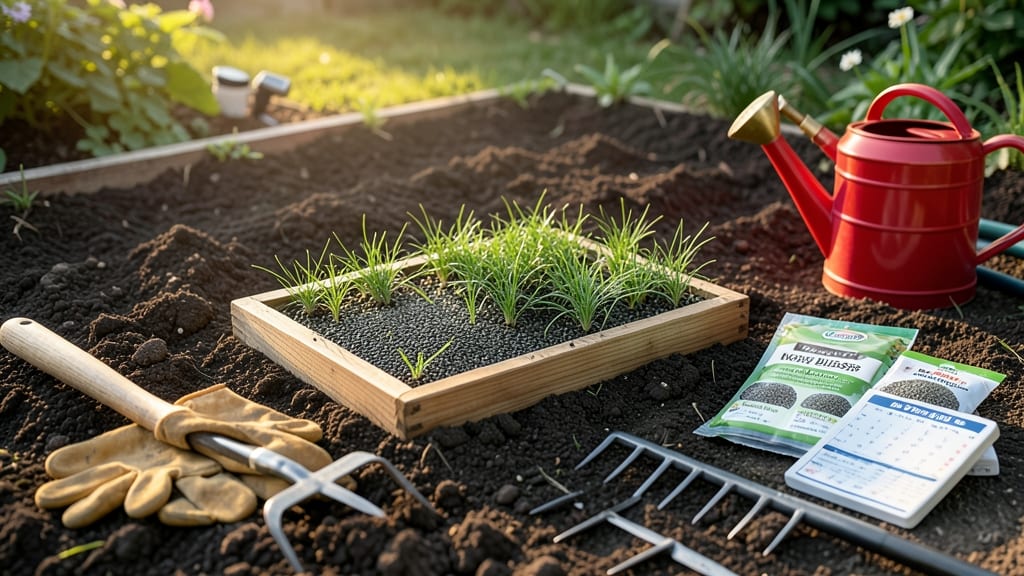
Timing your grass seed planting in Minnesota isn't just about waiting for spring—it's about beating the frost and summer's heat to give your lawn the best chance to thrive.
With USDA zones 3a-5b bringing unpredictable frost dates, planting too early risks frost damage, while waiting too long means battling drought stress. The key is knowing exactly when to sow for your specific county's frost-free timeline.
Whether you're establishing a new lawn or overseeding an existing one, the ideal window spans from early spring to late summer, but the devil's in the details.
I'll break down the perfect planting months for your region, so you can avoid common pitfalls like late frosts or summer heatwaves that derail germination. Let's dive into the frost-free schedule that works for Minnesota's diverse climate.
You don't need to guess whether your soil is warm enough or if the last frost has truly passed. I'll share the exact county-by-county heat zone guidelines that separate successful lawns from struggling patches.
From the northern reaches of zone 3a to the southern edges of 5b, we'll cover everything you need to know to plant at the optimal time.
Ready to transform your yard into a lush, green space? Discover how to prepare your soil, choose the right grass varieties, and time your planting for maximum success—no matter where in Minnesota you call home.
Minnesota grass seed planting timeline by heat zone (USDA Zones 3-5)
Timing your grass seed planting in Minnesota is all about beating the frost while avoiding summer's brutal heat. The USDA Zones 3-5 across the state mean your last frost dates can vary by 2-3 weeks from northern to southern regions.
For example, International Falls in Zone 3a typically sees its last frost by May 10th, while Rochester in Zone 5a can plant as early as April 15th. These differences matter because seed needs consistent soil temperatures of 50-65°F to germinate properly.
Most Minnesota gardeners focus on two planting windows: early spring (4-6 weeks before last frost) and late summer (4-6 weeks before first frost).
Spring planting gives seeds time to establish before summer heat, while fall planting lets roots strengthen before winter. Soil temperature, not calendar dates, is your best guide—use a soil thermometer to confirm conditions are right before planting.
Here’s how Minnesota’s 10 key counties break down for optimal planting windows, including critical frost dates and ideal soil temperatures:
For northern Minnesota (Zones 3a-3b), focus on late April to early May for spring planting, while southern regions (Zones 4b-5a) can start as early as mid-April.
Fall planting should wrap up by mid-September in the north and late September in the south to allow roots to establish before winter. Soil temperature is your best guide—wait until it consistently stays above 50°F for spring and 60°F for fall.
If you’re overseeding an existing lawn, aim for late summer (August) to capitalize on warm soil and cooler air.
This timing helps new grass compete with established turf before winter sets in. New lawns, however, benefit from both spring and fall planting—just adjust your schedule based on your county’s frost dates.
Pro tip: Use a soil thermometer to confirm conditions. Seed won’t germinate if soil is too cold, even if frost dates suggest it’s safe. For example, March planting in southern Minnesota might work if soil temps are stable, but northern regions should wait until late April at the earliest.
Remember, Minnesota’s unpredictable weather means flexibility is key. If a late frost hits after you’ve planted, cover seeds with a lightweight row cover or straw mulch to protect them until temperatures stabilize. The goal is to give your grass seed 4-6 weeks of frost-free growth before winter or summer stress sets
Preparing your lawn properly is just as critical as timing your grass seed planting. Minnesota’s clay-heavy soils and fluctuating temperatures demand extra attention—skipping prep steps often leads to poor germination or weed invasion. Start by testing your soil pH (ideal range: 6.0-7.0) using a simple home kit or local extension service. Most Minnesota lawns need lime to raise pH, especially in northern regions like St. Paul or Duluth. Next, clear all existing vegetation with a non-selective herbicide like glyphosate (follow label instructions carefully). For organic options, smother weeds with black plastic sheeting for 4-6 weeks before planting. Till the soil to a depth of 3-4 inches to loosen compacted layers—this is especially important in high-traffic areas where soil may be heavily compacted from foot traffic or machinery.
How to prepare your Minnesota lawn for grass seed success
🌱 Step-by-Step Minnesota Lawn Prep