
Flowers
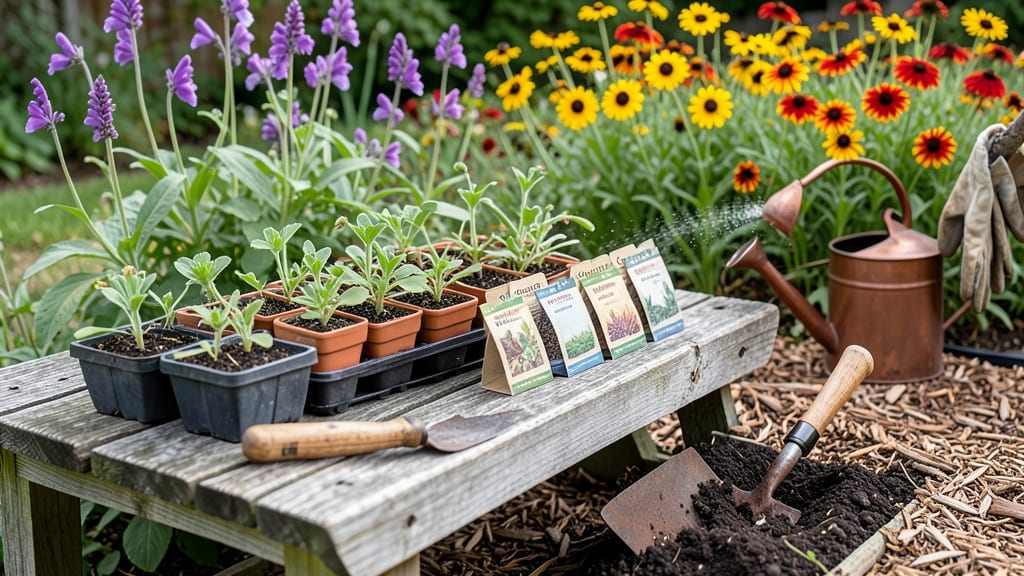
If you've ever wondered when can you plant flowers in Colorado, the answer isn't one-size-fits-all—it's all about elevation. Whether you're in Denver's urban gardens or the high country near Aspen, timing your 🌸 planting can mean the difference between a vibrant summer display and a sad, frost-nipped failure.
The key is understanding Colorado's USDA Zones 4-7, where last frost dates can vary by weeks. In lower elevations like Colorado Springs, you might start as early as mid-April, while mountain gardens near 7,000 feet often wait until late May.
This variability means your neighbor's perfect timing might not work for your yard.
But here's the good news: with the right approach, you can extend your planting window and enjoy blooms from spring through fall.
I'll show you exactly how to read your local microclimate, choose the best flowers for your elevation, and even take advantage of Colorado's fall planting opportunities for late-season color.
Let's dive into the specifics—because in Colorado, getting your flowers in the ground at the right time isn't just about luck, it's about strategy. You'll learn the exact dates to watch, which varieties thrive where, and how to protect your plants from our famously unpredictable weather patterns.
Colorado flower planting calendar by elevation zones
Colorado’s dramatic elevation changes—from Denver’s 5,280 feet to mountain towns like Telluride at 8,750 feet—mean your planting schedule should match your altitude. Lower elevations warm faster, while high-altitude gardens face late frosts well into May.
Let’s break down the best times to plant flowers based on your elevation zone.
For lowland areas (3,000–5,000 ft), like Colorado Springs or Fort Collins, the last average frost date is April 15–May 1. This zone includes most of the Front Range and Western Slope towns below 5,000 feet.
Here, you can start planting cool-season flowers like pansies and snapdragons as early as late March.
In midland elevations (5,000–7,000 ft), such as Denver or Boulder, the last frost typically arrives May 1–15. This is the most common zone for Colorado gardeners, and it’s where you’ll find the widest variety of annuals and perennials thriving.
Wait until after May 1 to plant heat-loving flowers like marigolds or zinnias.
| Elevation Zone | Avg. Last Frost | Best Planting Window | Microclimate Tip |
|---|---|---|---|
| Lowland (3,000–5,000 ft) | April 15–May 1 | Late March (cool flowers) / Early April (warm flowers) | Urban heat islands warm up faster; plant 2 weeks earlier in cities. |
| Midland (5,000–7,000 ft) | May 1–15 | Mid-April (cool flowers) / After May 1 (warm flowers) | Mountain breezes delay warming; use row covers for early starts. |
| Highland (7,000+ ft) | May 15–June 1 | Late April (cool flowers) / After May 15 (warm flowers) | Short growing season; prioritize perennials and bulbs. |
If you live in highland areas (7,000+ ft), such as Aspen or Leadville, your last frost can linger until May 15–June 1.
This zone is ideal for cold-hardy perennials like columbines or penstemon, but warm-season flowers like petunias or geraniums may need to wait until after Memorial Day.
For all elevations, fall planting is another great option. In lowlands, you can sow cool-season flowers like calendula or stock as early as late August, while midland and highland areas should wait until September to avoid early frosts.
Always check the Colorado State University Extension’s frost date maps for your exact location, as microclimates—like urban heat islands or sheltered valleys—can shift planting windows by 1–2 weeks. For example, Denver’s downtown may warm up faster than Boulder’s foothills.
Pro tip: Use biodegradable seed starter pots to get a head start indoors. Begin sowing 4–6 weeks before your last frost date for annuals like zinnias or cosmos, which love warm soil but need time to establish roots.
Remember, soil temperature matters more than air temperature. Use a soil thermometer to confirm your garden is ready—50°F (10°C) is the magic number for most flowers. In high-altitude gardens, this might not happen until late May, so plan accordingly.
🌱
Best flowers to plant in each Colorado climate Zone
Colorado’s microclimates mean your Denver garden differs drastically from Grand Junction or Aspen. Lowland zones (3,000–5,000 ft) like Fort Collins can plant marigolds and zinnias by mid-April, while highland zones (7,000+ ft) like Leadville wait until late May for hardy perennials like columbines. The Western Slope’s arid heat favors drought-tolerant varieties like blanket flowers, while Front Range humidity suits moisture-loving peonies and hollyhocks.For annuals, pansies and snapdragons thrive in cooler spring/fall temps, while sunflowers and cosmos love summer’s warmth. Perennials like coneflowers and black-eyed Susans adapt to most elevations, but bulbs such as tulips need well-drained soil in mountain regions to avoid rot. Always check USDA Zone 4–7 guidelines—Zone 4 (high mountains) plants later, while Zone 7 (Southwest Colorado) starts earlier in March for heat-loving geraniums.
Western Slope gardens (e.g., Durango) benefit from xeric (drought-resistant) flowers like blanket flowers and bee balm, which thrive in well-draining soil and low humidity. In contrast, Front Range areas like Boulder can support moisture-loving hostas and iris with regular watering. Fall planting (late August–September) works well for cool-season kale flowers and pansies, which bloom until first frost in October.
Pro tip: Use Colorado State University Extension’s PlantTalk Colorado app to input your exact elevation and get hyper-local planting advice. For container gardening, pots can be planted 2–4 weeks earlier than ground beds since they warm faster. Succulents like sedum and echeveria are perfect for high-altitude gardens, while tropical hibiscus need sheltered spots in lower elevations.
Avoid planting heat-sensitive impatiens in Zone 4—they’ll bolt in summer’s heat. Instead, opt for hardy rudbeckias or shasta daisies, which thrive in Colorado’s unpredictable weather. Always test soil pH (aim for 6.0–7.0) and amend with compost before planting to ensure nutrient-rich growth. Mulch with straw or pine needles to retain moisture and regulate soil temperature.
For longer bloom seasons, interplant early, mid, and late-season flowers. For example, pansies (spring/fall), zinnias (summer), and mums (fall) create a continuous color display. Deadhead spent blooms weekly to encourage new growth, and fertilize lightly every 4–6 weeks with a balanced 10-10-10 mix. With these elevation-specific choices, your Colorado garden will burst with color from spring to frost! 🌸🌿