
Plants
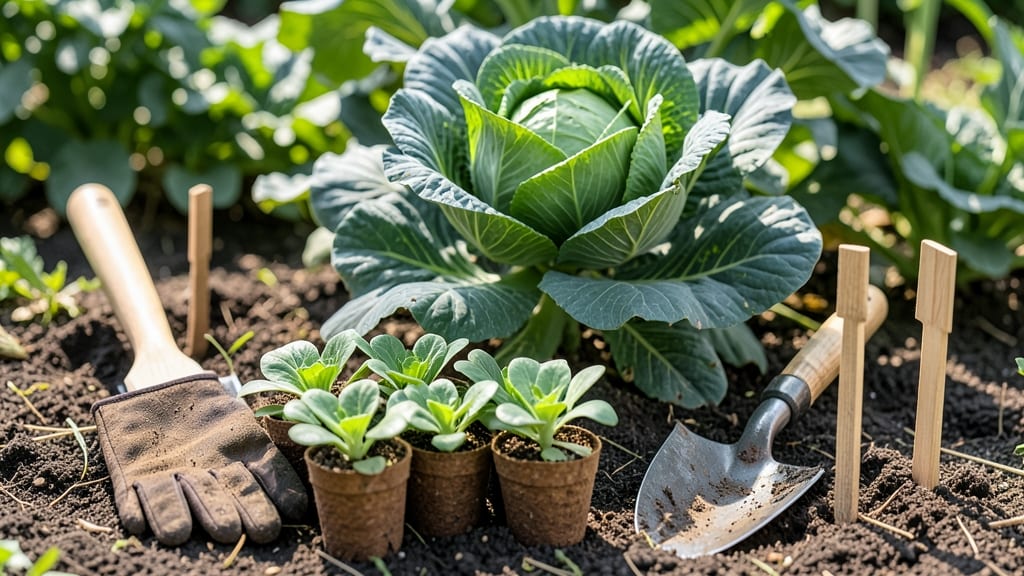
Timing your 🥬 cabbage planting in Colorado isn't just about the calendar—it's about outsmarting those unpredictable mountain frosts that can turn your hard work into a sad, wilted mess.
Whether you're gardening in Denver's 6a zone or up in the foothills, getting those seeds in the ground at the right moment means the difference between a bumper crop and a wasted season.
Most Colorado gardeners know spring is prime time, but did you realize you can also plant cabbage in late summer for a fall harvest? The key lies in understanding your elevation's last frost dates—mid-April to early May in most areas—and how to work with Colorado's short growing season.
I'll show you exactly when to start seeds indoors versus transplanting hardened-off seedlings for maximum success.
What if I told you that planting too early or too late could leave your 🥬 cabbage vulnerable to bolting or frost damage? We'll cover the ideal planting windows by elevation, from lowland Denver gardens to high-altitude mountain plots, so you can avoid common mistakes that even experienced gardeners make.
Let's get those heads growing strong and healthy!
By the end, you'll know the exact months to plant for your specific elevation, how to extend your growing season with simple tricks, and which varieties thrive in Colorado's climate. Ready to turn your garden into a cabbage powerhouse? Let's dive in.
Best cabbage planting months in Colorado by elevation Zone
Colorado’s diverse elevations create three distinct cabbage planting zones, each with unique frost risks. Lowland areas (3,000–5,000 ft) like Colorado Springs have longer growing seasons, while mountain regions (7,000+ ft) face earlier frosts and shorter windows.
Understanding your elevation’s last-frost dates is critical—planting too early can kill seedlings, while waiting too long may prevent full maturity.
For Denver’s USDA Zone 6a, the sweet spot is mid-March to early July for spring plantings and July to early September for fall crops.
However, gardeners in Grand Junction (Zone 6b) can push spring planting a week earlier, while those in Aspen (Zone 5a) must delay until after May 15th to avoid frost damage.
🥬
| Elevation Zone | Avg. Last Frost | Spring Planting Window | Fall Planting Window | Heat-Tolerant Varieties |
|---|---|---|---|---|
| Lowland (3,000–5,000 ft) | Mid-April | Late March–early June | Late July–early Sept | Golden Acre, Savoy King |
| Foothills (5,000–7,000 ft) | Early May | Early April–late May | Mid-August–late Aug | Red Express, Early Jersey Wakefield |
| Mountain (7,000+ ft) | Late May | Late April–early June | Late July–mid-Aug | Dwarf Market, Early Half Tall |
In lowland zones, you can even try February starts indoors for early spring harvests, but harden off seedlings carefully—Colorado’s chilly nights can shock young plants. For foothills and mountains, focus on transplanting hardened seedlings after soil reaches 45°F (7°C), typically 2–3 weeks after last frost.
Pro tip: Use row covers to extend your spring window by 2–3 weeks in cooler zones. These lightweight fabrics protect seedlings from late frosts while allowing sunlight and water to pass through. I’ve used them in Zone 5a to push planting back to mid-April without losses.
For fall plantings, aim to harvest before first frost (mid-October in lowlands, early October in mountains). July starts give you 90–100 days to maturity, perfect for varieties like Golden Acre, which tolerates mild heat better than others.
🌱
If you’re unsure about your elevation’s frost dates, check the Colorado State University Extension’s frost calendar or use a minimum/maximum thermometer in your garden for 3 years to establish local patterns. I’ve found that microclimates (like south-facing slopes) can add 1–2 weeks to your growing season—always scout your specific spot!
Finally, soil temperature matters as much as air temperature. Cabbage seeds won’t germinate well below 40°F (4°C), so use a soil thermometer to confirm readiness. In mountain regions, wait until soil warms to 50°F (10°C) for direct sowing.
How to extend Colorado’s cabbage growing season with success strategies
Colorado’s short growing season can feel like a race against time for cabbage lovers—but with the right strategies, you can push your harvest 3-4 weeks earlier or 2-3 weeks later than the typical windows.
The key lies in protecting young plants from late frosts and shielding mature heads from early cold snaps. I’ve tested these methods in my Denver garden and seen cabbage thrive in unpredictable mountain climates.
Start by choosing heat-tolerant varieties like 'Golden Acre' or 'Copenhagen Market'—they handle Colorado’s summer heat better than standard types. These varieties can handle temperatures up to 85°F (29°C) without bolting prematurely. For fall planting, opt for slow-bolting hybrids that mature in 55-65 days instead of the usual 70-90 days.
🌱 Extending Cabbage Season in Colorado
- Cold Frames: Start seeds 4-6 weeks earlier in unheated cold frames (protects down to 20°F (-7°C)). Remove frames when soil warms to 45°F (7°C).
- Row Covers: Use floating row covers to extend fall harvests until first frost. Secure edges to prevent wind damage.
- Transplant Timing: Harden off seedlings for 10-14 days before transplanting. Plant 3-4 weeks after last frost for spring or 8-10 weeks before first frost for fall.
- Shade Cloth: Use 30-50% shade cloth in summer to prevent bolting. Remove when temps drop below 80°F (27°C).
- Succession Planting: Sow new seeds every 2-3 weeks from March to July for continuous harvests.
For high-elevation gardens above 7,000 feet, consider container growing on patios or decks. Pots warm up faster in spring and can be moved to protected microclimates (like near south-facing walls) to extend the season.
Just ensure containers have drainage holes and use moisture-retentive mixes like 60% compost and 40% coco coir.
One of my biggest successes was using a low tunnel hoop house covered with clear plastic to grow cabbage through November in Fort Collins. The tunnel trapped heat during the day and retained warmth at night, delaying frost damage by 2-3 weeks. Just
Watering strategies also play a crucial role. In Colorado’s dry summers, deep watering every 2-3 days (1-2 inches per week) prevents bolting. Use drip irrigation to keep leaves dry and reduce fungal diseases like downy mildew, which thrives in our humid mountain valleys. Mulch with straw or shredded leaves to retain moisture and regulate soil temperature.
Finally, don’t overlook fall fertilization. A light application of 5-10-10 fertilizer in early September can boost late-season growth without encouraging tender new growth that’s susceptible to frost. Always water fertilizer in to prevent root burn—this is especially critical in Colorado’s alkaline soils.