
Plants
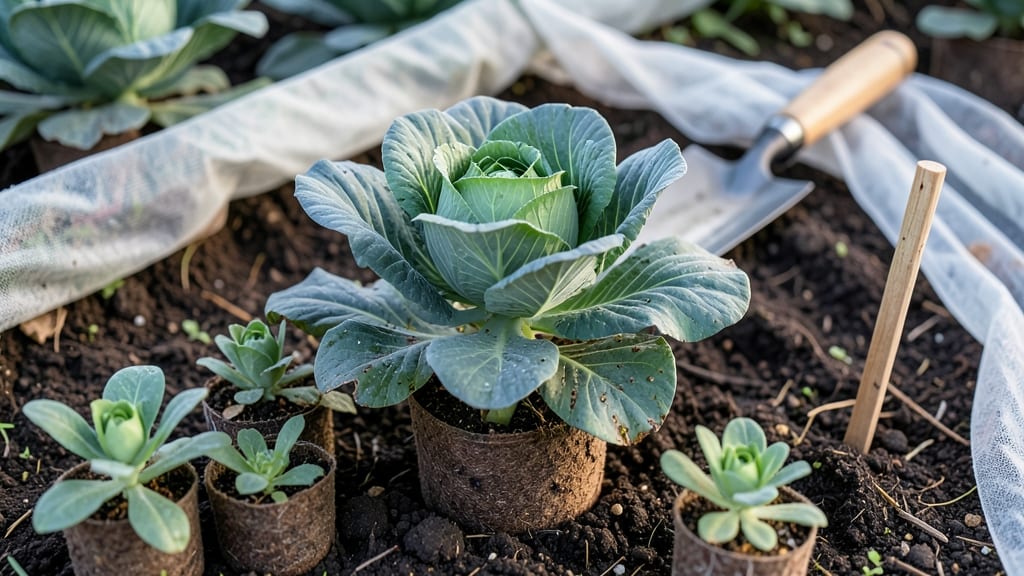
Timing your cabbage 🥬 planting in Zone 6b isn’t just about throwing seeds in the dirt—it’s the difference between a bountiful harvest and bolting plants that turn bitter before you even get to taste them.
Most gardeners in Zone 6b know the frustration of watching their cabbage bolt—those sad, flower-stalked plants that ruin all your hard work. The key? Planting at the right time, whether you’re aiming for spring or fall crops.
I’ve cracked the code on when to start seeds indoors and when to transplant for foolproof results.
Spring planting should begin 4-6 weeks before your last frost (usually around early April in Zone 6b), while fall crops need to hit the ground 8-10 weeks before the first frost.
Miss these windows, and you’ll end up with bitter greens instead of the sweet, crisp heads you’re craving.
Ready to avoid the bolting blues? I’ll walk you through the exact timing—plus how to adjust for your microclimate—so you can enjoy cabbage all season long. Let’s get those seeds in the ground the right way!
Optimal cabbage planting windows in Zone 6B to prevent bolting
In Zone 6B, where average last frost dates hover around April 15, timing your cabbage planting is everything. The key is avoiding two extremes: planting too early (risking frost damage) or too late (triggering bolting from heat stress).
For most varieties, you’ve got just two planting windows—spring and fall—that work perfectly.
Spring cabbage thrives when soil temperatures stay below 75°F. If you plant too late, your plants will bolt (flower prematurely) before forming heads. Fall cabbage, meanwhile, needs to mature before the first frost (October 20 in Zone 6B), so timing is equally critical.
Let’s break down the exact windows and how to calculate them for your location.
📅 Spring Planting Window: Start seeds indoors 8-10 weeks before your last frost (around February 15 for Zone 6B) or transplant seedlings 4-6 weeks before last frost (March 15-April 1). For direct sowing, aim for March 1 to ensure harvest before summer heat.
🍂 Fall Planting Window: Plant seeds indoors 10-12 weeks before first frost (August 1) or transplant seedlings 8-10 weeks before frost (August 15-September 1). Fall crops can extend harvest into November if protected from early frosts.
To calculate your exact dates, check your local frost dates (use the USDA Plant Hardiness Zone Map or your county extension office). Then, work backward: spring plants need 60-80 days to maturity, while fall plants have 70-90 days before frost.
For example, if your first frost is October 20, plant fall cabbage by August 1 for a 90-day variety.
Pro tip: Use shade cloth (30-50%) during summer heat waves to protect transplants. Even a few days above 80°F can trigger bolting. I’ve lost entire crops to heat stress—don’t let that happen to you!
For succession planting, sow new seeds every 2 weeks in spring and 3 weeks in fall. This ensures a continuous harvest and minimizes gaps in your garden. Just remember: never plant cabbage where brassicas (like broccoli) grew the previous year to avoid disease buildup.
If you’re in a microclimate (like a urban heat island or high elevation), adjust your planting dates by 1-2 weeks earlier. Urban areas can be 5-10°F warmer than rural zones, pushing heat stress risks earlier. Always monitor soil temps with a soil thermometer—aim for 50-60°F for ideal germination.
One final warning: bolt-resistant varieties like ‘Golden Acre’ or ‘Red Express’ can tolerate slightly warmer temps, but timing remains critical. Even the hardiest cabbage won’t form heads if planted too late in summer. Stick to these windows, and you’ll enjoy crisp, sweet heads all season long. 🥬
Optimal cabbage planting windows in Zone 6B to prevent bolting
Cabbage thrives in Zone 6B when planted during cool-season windows, but timing is everything to avoid bolting (premature flowering). The key is planting 4-6 weeks before your last frost (typically March 15-April 15) for spring crops, or 8-10 weeks before first frost (around August 1-15) for fall harvests. Miss these windows, and your plants may bolt before forming heads.
Zone 6B’s 165 frost-free days create a tight schedule. Spring cabbage must mature before summer heat triggers bolting, while fall crops need to establish roots before early frosts. The ideal transplanting window is when soil temps hit 45°F-55°F—too warm, and your cabbage will bolt; too cold, and growth stalls.
Here’s your foolproof timing guide for Zone 6B, including heat tolerance thresholds and last frost calculations:
| Planting Window | Key Action | Soil Temp | Heat Risk |
|---|---|---|---|
| Spring: March 15-April 15 | Direct sow or transplant | 45°F-55°F | Low (avoid bolting) |
| Spring: April 16-May 1 | Transplant only (fast-maturing varieties) | 50°F-60°F | Moderate (risk increases after May 1) |
| Fall: August 1-15 | Start seeds indoors (transplant by Sept 1) | 50°F-60°F | Low (cool nights prevent bolting) |
| Fall: September 1-15 | Direct sow for late harvest | 40°F-50°F | None (frost protection needed) |
For spring planting, aim to harvest by late June before temperatures exceed 75°F consistently. Use shade cloth or row covers if summer arrives early. Fall crops should be harvested before first frost (October 20), but varieties like ‘Winterbor’ can tolerate light frosts for sweeter flavors.
Pro tip: Succession plant every 2 weeks in spring for a staggered harvest. Start with fast-maturing varieties (60 days) like ‘Golden Acre’, followed by medium (75-80 days) types such as ‘Red Express’. This spreads out your risk and ensures a continuous supply.
Remember, bolting is your biggest enemy in Zone 6B. If your plants start sending up flower stalks, they’ll sacrifice head formation for seeds. Prevent it by sticking to these windows and choosing heat-tolerant varieties for late spring plantings.