
Companion Plants
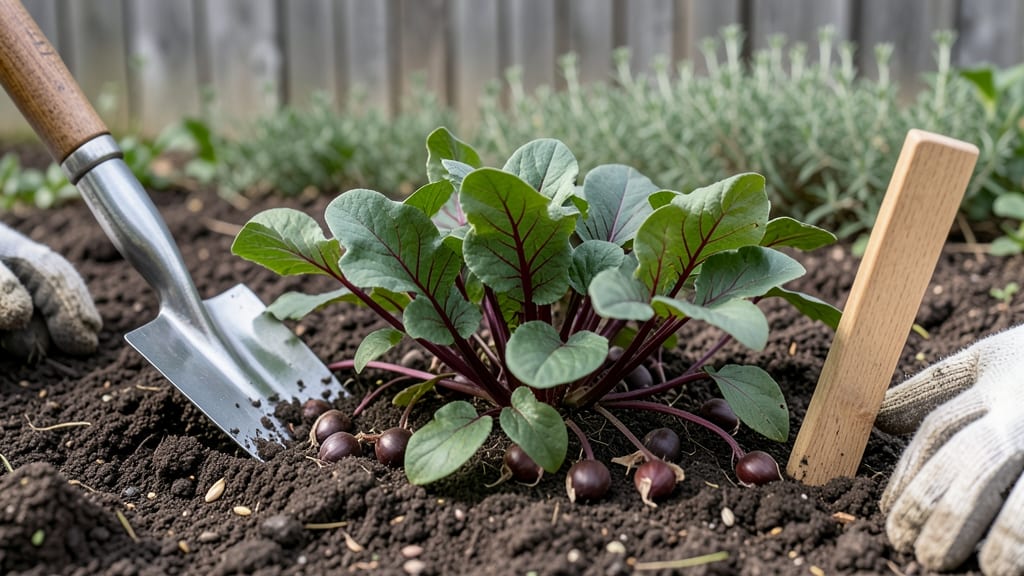
Knowing when to plant beets in Zone 7 could be the game-changer between a garden full of sweet, crunchy 🍠 roots and one full of bitter, bolted greens.
Zone 7’s mild winters and warm summers create a unique window—one that’s easy to miss if you’re not paying attention to frost dates and soil temperatures.
Most gardeners in Zone 7 focus on spring planting, but there’s a secret second chance in late summer that many overlook. The key is understanding your last frost date—typically around March 15—and how to time your plantings for both early spring and late summer harvests without risking bolting.
I’ll break down the exact weeks before last frost you should plant, plus pro tips for succession planting that keep your beet harvest going from May through October. Whether you’re a beginner or a seasoned gardener, these strategies will help you grow beets that taste even better than store-bought.
Ready to transform your garden into a beet bonanza? Let’s dive into the perfect planting schedule so you can enjoy homegrown beets all season long—no guesswork required.
Zone 7 beet planting timeline: exact weeks before last frost for success
Timing is everything when growing beets in Zone 7. The average last frost date here falls around March 15, but soil temperature matters just as much. Beets thrive when soil reaches 50°F (10°C), which typically happens by early April.
Planting too early risks cold soil and slow germination, while waiting too long may lead to bolting before harvest.
For the best results, aim to sow beet seeds 4-6 weeks before your last frost. This gives them enough time to establish roots before summer heat sets in. In Zone 7, that means starting your first planting in late March (if soil is workable) or early April.
A second planting in late July ensures a fall harvest before frost.
Beets are cool-season crops, so they tolerate light frosts but won’t survive hard freezes. In Zone 7, you can push your luck with a third planting in mid-August for a late fall harvest, but use row covers to extend the season if temperatures dip below 20°F (-7°C).
Here’s the key: Soil temperature is your best guide. Use a soil thermometer—beets won’t sprout well below 45°F (7°C). If your soil is still chilly in early spring, wait until it warms up to avoid rot or poor germination. Patience pays off with sweeter, more tender roots.
| Planting Window | Weeks Before Last Frost | Soil Temp Requirement | Expected Harvest |
|---|---|---|---|
| Early Spring | 4-6 weeks | 50°F (10°C) minimum | May-June |
| Late Summer | 10-12 weeks before first frost | 55°F (13°C) minimum | September-October |
| Fall (Riskier) | 8 weeks before first frost | 60°F (16°C) minimum | Late October (with protection) |
🌱 Pro Tip: Use a soil thermometer to confirm readiness—don’t guess!
Zone 7’s long growing season (about 165 frost-free days) gives you flexibility, but don’t overlook the importance of succession planting. Sow new seeds every 2-3 weeks after your initial planting to ensure a steady supply of fresh beets.
This works especially well for baby beets, which mature faster (45-50 days) than full-sized roots.
If you’re growing heirloom varieties like Detroit Dark Red or Chioggia, prioritize your first planting in early spring. These take longer to mature (60-70 days) and need consistent moisture to develop their signature shapes.
For faster harvests, opt for Boltardy or Cylindra—both bolt-resistant and ready in 50-55 days.
One common mistake in Zone 7 is planting beets too close to summer’s peak heat. Temperatures above 85°F (29°C) stress beet plants, causing them to bolt prematurely.
To avoid this, focus on spring and fall plantings and choose shade-tolerant varieties if your summer sun is intense. A 30% shade cloth can also help during heatwaves.
Finally, don’t forget that beets are biennials, meaning they’ll overwinter in Zone 7 if left in the ground. If you plant in late summer, young beet greens may survive mild winters, giving you an early spring harvest.
Just mulch heavily with straw or leaves to protect them from freezing temperatures.
With these exact planting windows and soil temperature guidelines, you’ll enjoy crisp, sweet beets from spring through fall—no more store-bought blandness! 🍠
How to extend your beet harvest season in Zone 7 without risking bolting
Zone 7 gardeners know that beets thrive in cooler weather, but the heat of summer can turn your sweet harvests into bitter, bolted greens. The key to a longer beet harvest is strategic succession planting and smart timing.
By planting in staggered batches and using season-extending tools, you can enjoy fresh beets from early spring through fall.
Start with an early spring planting (late February to early March) for a May-June harvest. This gives your beets time to mature before summer heat sets in. Then, plan a late summer planting (mid-July to early August) to harvest in September-October, just before the first frost.
For even more beets, try weekly sowings every 2-3 weeks during your planting windows. This method ensures a continuous supply without overwhelming your garden at once. Just
🌱
🌱 Numbered Highlights: Extend Your Beet Season Like a Pro
- ⏰ Plant early (Feb-Mar) for spring harvests—avoid summer heat.
- 🌿 Succession sow every 2-3 weeks for a steady supply.
- ☀️ Use shade cloth (30-50%) in peak summer to prevent bolting.
- 🌡️ Monitor soil temps—keep below 80°F for best growth.
- 🍂 Fall planting (July-Aug) for late-season harvests before frost.
- 🪴 Try 'Detroit Dark Red'—a heat-tolerant variety for Zone 7.
If you're worried about summer bolting, use lightweight row covers or shade cloth to keep soil temps cool. This simple trick can buy you 2-4 extra weeks of ideal growing conditions. Just remove covers when temps drop below 85°F to allow pollination if you want seeds.
For fall harvests, focus on heat-tolerant varieties like 'Detroit Dark Red' or 'Golden Beet'. These varieties handle the late-summer heat better than others, giving you a second chance at a great harvest. Plant these in mid-July for a September-October feast.
Finally, don’t forget to harvest regularly to encourage new growth. Beets left in the ground too long will woodenize or bolt, especially as days grow shorter in fall. Aim to harvest when roots are 1-2 inches wide and leaves are 3-4 inches tall for the best flavor and texture.
With these strategies, you’ll enjoy homegrown beets for months—not just a fleeting spring harvest! 🌿