
Plants
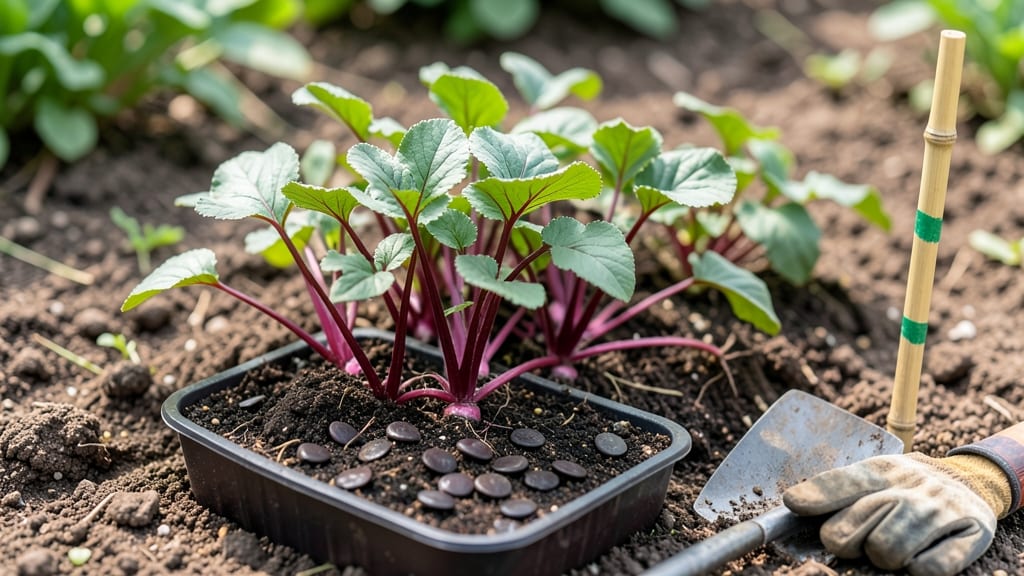
When to plant beets in Zone 8b is the difference between a bountiful harvest and bitter disappointment. Plant too early, and those 🟣 beauties bolt before you even get a chance to enjoy them. Too late, and you miss the sweet spot for tender roots.
I’ve learned the hard way that Zone 8b’s mild winters and long summers demand a strategic approach. The key? Sowing in early spring (February-March) or late summer (August-September) to avoid the heat that triggers bolting. This isn’t just guesswork—it’s about reading your climate like a pro.
What you’ll discover here is how to nail those planting windows without stress. We’re talking soil prep, heat tolerance, and even how to stretch your harvest season. No more wasted seeds or sad, stringy beets—just sweet, plump roots ready for your table.
Ready to master the art of beet timing? Let’s break down the exact steps to grow zero-bolt beets in your Zone 8b garden, whether you’re a beginner or a seasoned gardener looking to refine your technique.
Best spring planting times for beets in Zone 8b to avoid bolting
In Zone 8b, timing your beet seeds correctly in spring is everything to avoid bolting—the bitter, premature flowering that ruins your harvest.
The key is planting when soil temperatures stay between 45°F and 85°F (7°C–29°C), which in most of Zone 8b means starting in late February to early March, depending on your microclimate.
Why? Beets are cool-season crops that bolt when stressed by heat or long days. If you plant too early, cold snaps can stunt growth, but if you wait too long, the spring heat triggers bolting. The sweet spot is when daytime highs are consistently 70°F (21°C) or below.
For continuous harvests, I recommend staggering plantings every 2 weeks from late February through early April. This ensures you’re always pulling fresh beets while avoiding the late-spring heat that causes bolting.
For example, plant your first batch in late February (when soil warms to 50°F/10°C), then follow up in mid-March and early April.
Heat-tolerant varieties like 'Detroit Dark Red' or 'Ruby Queen' can handle slightly warmer conditions, but even they’ll bolt faster in Zone 8b’s intense spring sun. If your last frost date is mid-February (common in many Zone 8b areas), you can start seeds indoors 4–6 weeks before your target outdoor date to get a jumpstart.
Zone 8b Spring Beet Planting Timeline
| Stage | Action | Soil Temp | Notes |
|---|---|---|---|
| Late February | Start seeds indoors | 50–55°F (10–13°C) | Use trays with heat mat |
| Late February | Direct sow outdoors | 55–60°F (13–16°C) | Cover with frost cloth |
| Mid-March | Second outdoor sowing | 60–65°F (16–18°C) | Thin to 3–4" apart |
| Early April | Final sowing | 65–70°F (18–21°C) | Avoid after April 15 |
| April–June | Harvest | N/A | Pull when roots are 1–3" |
To extend your spring beet season, use shade cloth (30–50%) during the hottest afternoons (12 PM–4 PM) if temperatures climb above 80°F (27°C). This trick buys you 2–3 extra weeks of harvest time before bolting sets in.
I’ve had great success with this in southern Zone 8b areas like San Diego or Phoenix, where spring heat arrives early.
Pro tip: Succession planting every 10–14 days ensures a steady supply. For example, if your first batch bolts by mid-May, your second planting (from early April) will still be producing tender beets while the third batch (late April) matures. This way, you’re never left without fresh harvests.
Finally, always water deeply in the morning to keep soil moisture consistent. Beets need 1–1.5 inches of water weekly, but uneven watering stresses the plants and speeds up bolting.
Mulch with straw or grass clippings to retain moisture and regulate soil temperature—this is non-negotiable in Zone 8b’s variable spring weather.
By following this spring planting schedule, you’ll avoid bolting and enjoy sweet, tender beets from April through June. The secret? Cool soil, consistent moisture, and shade when needed—simple but effective strategies for Zone 8b gardeners.
Fall planting schedule for Zone 8b beets: how to time it for sweet, bolt-free harvests
As summer fades into fall in Zone 8b, planting beets becomes a strategic move to avoid the bolting risks of spring heat. The key is timing your last sowings between mid-August and early October, when soil temperatures drop below 80°F but before the first frost.
This window ensures sweet, tender roots without premature flowering.
Beets thrive in cooler weather, and fall plantings often produce sweeter, more flavorful roots than spring crops.
Aim to harvest before hard frosts hit—typically by November 15 in most of Zone 8b. With proper timing, you can enjoy fresh beets straight through winter or even overwinter them for early spring harvests.
🔥 Warning: Late-season heat spikes (common in Zone 8b's Indian summer) can still trigger bolting. Monitor weather forecasts and adjust planting dates if temperatures rise unexpectedly.
🌡️ Late Heat Risk
Planting too late in Zone 8b risks bolting from residual summer heat. Use shade cloth or opt for heat-tolerant varieties like 'Detroit Dark Red' if temperatures linger above 75°F.
For a continuous harvest, stagger plantings every 2-3 weeks from August through September. Start with your last sowing no later than October 1 to ensure roots mature before winter. Use row covers to extend the season if frost threatens early.
Soil prep is critical—amend beds with compost to improve drainage, as fall rains can lead to waterlogged soil. Space seeds 1 inch apart and thin seedlings to 3-4 inches for optimal growth. Mulch with straw to protect roots from temperature swings and retain moisture.
Harvest beets when roots reach 1-3 inches in diameter (about 50-70 days after sowing). In Zone 8b, this typically falls between October and November. For overwintering, leave roots in the ground, cover with straw mulch, and harvest as needed until spring.
Fall-planted beets often develop deeper colors and sweeter flavors due to cooler temperatures. Store harvested roots in a cool, dark place for up to 2 months to enjoy homegrown goodness through winter.