
How To
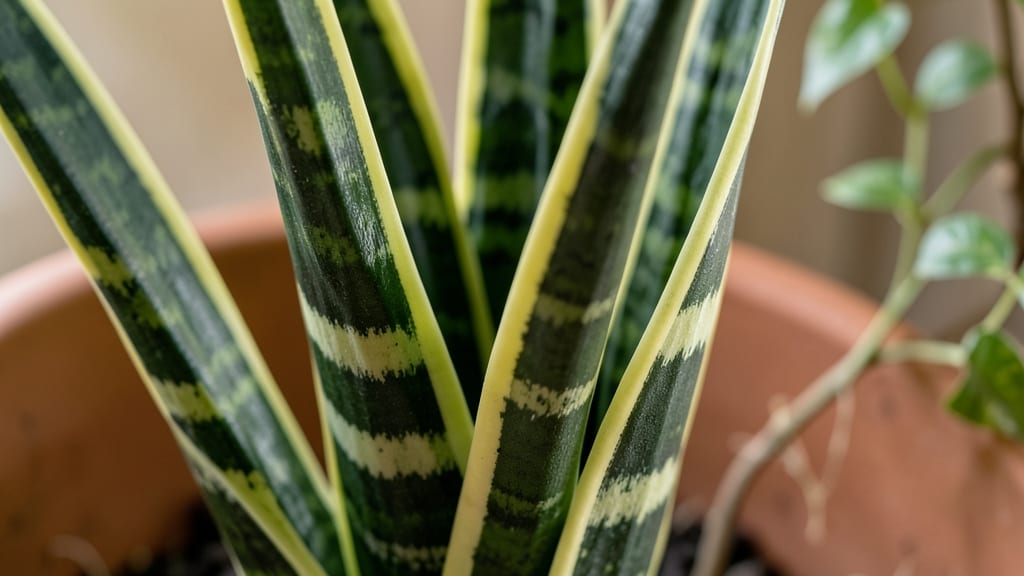
If you’ve ever glanced at your snake plant and wondered how tall they grow, the answer depends more on its variety than you might think.
Some varieties top out at a modest 2 feet, while others can stretch toward 6 feet or taller with the right conditions—think of it as the plant equivalent of a growth spurt.
Understanding these differences is key, especially if you’re working with limited space or hoping to create a dramatic indoor statement. The most common varieties, like the classic Sansevieria trifasciata, typically grow between 2 and 4 feet, but rarer types can defy expectations.
Whether you’re a beginner or a seasoned plant parent, knowing what to expect helps you plan for the future of your green companion.
Light exposure, pot size, and even the specific cultivar play a huge role in how tall your snake plant becomes. For instance, dwarf varieties like 'Hahnii' stay compact, while others can shoot up quickly if given plenty of indirect sunlight.
I’ll break down exactly how these factors influence growth—and how you can guide your plant’s height whether you want it to stay small or soar.
Ready to make an informed guess about your snake plant’s future? Let’s dive into the specifics so you can set realistic expectations—and maybe even tweak its growth habits to suit your space. The right care can make all the difference!


Snake plant height by variety: from compact to towering giants
Snake plants (Sansevieria) are famous for their hardiness and striking foliage, but their height varies dramatically depending on the variety and growing conditions. While most stay between 2–4 feet tall, some rare cultivars can reach 6 feet or more with ideal care.
Understanding these differences helps you choose the perfect plant for your space—whether it's a dwarf variety for shelves or a tall specimen for corners.
The most common snake plant variety, Sansevieria trifasciata 'Laurentii' (also called "Mother-in-Law's Tongue"), typically grows 2–3 feet tall indoors but can stretch toward 4 feet with strong light.
Meanwhile, dwarf cultivars like 'Hahnii' (also called "Bird's Nest") max out at just 1–2 feet, making them ideal for desks or small tables. These variations occur naturally, but light exposure, pot size, and pruning also play critical roles in shaping your plant's height.
Before diving into specifics, remember: snake plants grow slowly—expect only 2–4 inches of vertical growth per year under average conditions. This makes them a low-maintenance choice for busy gardeners, but it also means patience is key if you're waiting for a specific height.
Now, let’s explore the most popular varieties and their mature sizes.
🌱 Visual Guide: Snake Plant Heights by Variety
| Variety | Mature Height | Growth Rate | Best For |
|---|---|---|---|
| Sansevieria trifasciata 'Laurentii' | 2–4 ft | Slow (2–4 in/year) | Living rooms, offices |
| Sansevieria trifasciata 'Futura Superba' | 3–5 ft | Moderate (3–5 in/year) | Large spaces, corners |
| Sansevieria trifasciata 'Hahnii' | 1–2 ft | Very slow (1–2 in/year) | Desks, shelves, bathrooms |
| Sansevieria cylindrica | 4–6 ft | Moderate (4–6 in/year) | Outdoor borders, large pots |
| Sansevieria ehrenbergii | 1–3 ft | Slow (2 in/year) | Succulent collections, terrariums |
| Sansevieria zeylanica | 1–2 ft | Very slow (1 in/year) | Small spaces, windowsills |
The table above highlights the most popular snake plant varieties and their typical mature heights, but remember: these are general guidelines.
A Sansevieria trifasciata 'Laurentii' in a small pot with low light might stay under 2 feet tall, while the same variety in a large container with bright, indirect light could reach 4 feet or more.
Factors like pot size, soil type, and humidity also influence growth speed and final height.
If you're growing a taller variety like Sansevieria cylindrica, consider its root system. These plants develop deep roots and may need a pot at least 12 inches deep to support their height.
Shallow pots can stunt growth or cause the plant to lean or fall over as it searches for stability. For dwarf varieties like 'Hahnii', smaller pots (6–8 inches deep) work perfectly, as they encourage compact, bushier growth.
Light is another critical factor. While snake plants tolerate low-light conditions, they grow slowest in dim spaces. Place your plant near a bright, indirect
Snake plant height by variety: from compact to towering giants
Snake plants (Sansevieria) are famous for their hardiness, but their mature heights can vary wildly depending on the variety and growing conditions. While most stay between 1-4 feet tall, some rare types can reach 6 feet or more with ideal care.
Understanding these differences helps you choose the perfect plant for your space—whether you want a desktop-sized specimen or a statement-making floor plant.
The most common snake plant varieties, like Sansevieria trifasciata 'Laurentii' (the classic "mother-in-law's tongue"), typically max out around 3-4 feet tall. However, dwarf varieties like Sansevieria 'Hahnii' (often called "bird's nest snake plant") stay under 1 foot tall, making them perfect for shelves or desks.
Meanwhile, the towering Sansevieria cylindrica can stretch up to 6 feet in optimal conditions.
Here’s a quick breakdown of how variety, light exposure, and container size influence your snake plant’s height:
| Variety | Mature Height | Growth Rate | Notes |
|---|---|---|---|
| Sansevieria trifasciata 'Laurentii' | 3–4 ft | Slow to moderate | Classic variety; thrives in low light |
| Sansevieria 'Hahnii' | 1–2 ft | Very slow | Compact; ideal for small spaces |
| Sansevieria cylindrica | 4–6 ft | Moderate to fast | Tallest variety; needs bright light |
| Sansevieria 'Futura Superba' | 2–3 ft | Moderate | Bold variegation; great for mid-height spaces |
| Sansevieria 'Moonshine' | 2–3 ft | Slow | Dwarf variety with golden edges |
Light plays a huge role in determining how tall your snake plant grows. In low-light conditions, most varieties grow slower and stay shorter, while bright indirect light encourages faster vertical growth.
For example, a Sansevieria trifasciata in a north-facing window might max out at 2 feet, while the same plant in a south-facing room could reach 4 feet or taller.
Container size also matters: Root-bound plants grow taller as they stretch toward light, while repotting into a larger pot can encourage bushier, wider growth instead. If you’re growing a tall variety like Sansevieria cylindrica, choose a deep, narrow pot to support its height and prevent toppling.
Pro tip: If your snake plant starts leaning or growing lopsided, it’s a sign it needs more light on one side. Rotate the pot every few months to ensure even growth and a balanced height.