
How To
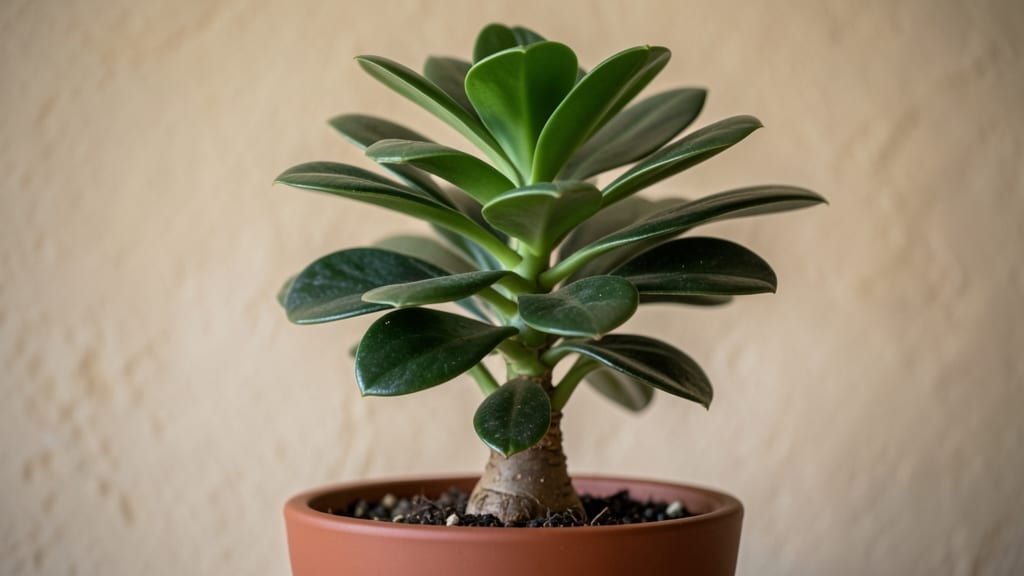
If you're wondering how tall does ZZ Plant grow, you're in for a pleasant surprise—this hardy houseplant stays surprisingly compact while packing a bold presence.
Unlike some plants that shoot up unexpectedly, ZZ Plants typically mature between 2 and 3 feet, making them perfect for desks, shelves, or even as statement pieces in living spaces.
The key to managing its height lies in understanding its natural growth patterns and care needs. With the right conditions—like well-draining soil and moderate light—you can encourage a bushier, more controlled shape.
Whether you're a beginner or a seasoned plant parent, knowing these growth habits helps you plan your space and care routine effectively.
What many people don’t realize is that ZZ Plants grow at a slow, steady pace, so you won’t see dramatic changes overnight. This makes them ideal for indoor settings where space is limited.
Plus, their resilience means they thrive in various light conditions, from dim corners to bright, indirect sunlight.
Ready to learn how to keep your ZZ Plant at your ideal height? I’ll walk you through everything from pruning tips to the best pot sizes, so you can enjoy its striking foliage without it taking over your home.


ZZ plant height limits: how tall can it grow indoors?
Your ZZ plant (Zamioculcas zamiifolia) is a slow-growing marvel, but its mature height can vary dramatically based on care. On average, these plants reach 12 to 36 inches tall indoors, though most stay between 2 to 3 feet with proper conditions.
The key to controlling height lies in understanding its growth stages and environmental needs—whether you want a compact desk companion or a floor-filling statement plant.
In its first year, a ZZ plant typically grows 1 to 2 feet tall, with growth slowing significantly after that. By year three, most mature ZZ plants plateau around 3 feet, though exceptional specimens in ideal conditions can stretch closer to 4 feet.
The difference between a bushy, compact plant and a tall, leggy specimen often comes down to light exposure, pot size, and pruning habits.
| Stage | Height Range | Growth Speed | Care Tips |
|---|---|---|---|
| Year 1 | 12–24 inches | Slow to moderate | Use small pot, bright indirect light |
| Year 2-3 | 24–36 inches | Slow | Repot if root-bound, prune leggy stems |
| Mature (3+ years) | 24–48 inches | Very slow | Reduce fertilizer, maintain humidity |
One common misconception is that ZZ plants grow tall and spindly by nature. In reality, they naturally grow bushy and upright when given the right conditions. The glossy, dark green leaves grow in pairs along thick stems, creating a compact, architectural look.
However, when deprived of light, ZZ plants stretch toward windows, becoming leggy and weak—a clear sign they need more bright, indirect sunlight.
Pot size plays a crucial role in height control. A smaller pot (6–8 inches in diameter) will naturally restrict root growth and slow vertical expansion, encouraging a stockier, bushier plant. Conversely, a large pot (10+ inches) gives roots room to spread, which can lead to taller, faster growth.
If you’re aiming for a desk-sized ZZ plant, stick to smaller pots and avoid overwatering, which can stimulate excessive growth.
Humidity levels also influence height. ZZ plants thrive in average household humidity (40–50%), but lower humidity can cause leaves to brown at the tips and stunt overall growth.
To keep your plant compact and healthy, place it near a humidifier or group it with other plants to create a microclimate. Avoid placing it near drafty windows or vents, which can stress the plant and lead to uneven growth.
Outdoor ZZ plants, when grown in USDA Zone 9b and above, can reach 4 to 5 feet tall in ideal conditions. However, most gardeners keep them indoors due to their drought tolerance and low-maintenance nature.
If you’re curious about outdoor growth, consider planting yours in a protected, shaded area during summer months—just be sure to bring it back inside before temperatures drop below 50°F.
To maintain your ZZ plant’s ideal height, monitor its growth closely. If it starts to outgrow its space, prune the longest stems in early spring to encourage new, bushier growth.
You can also propagate the cuttings to create new plants—a great way to control height while expanding your collection. With the right care, your ZZ plant will stay proportionate, lush, and low-maintenance for years to come.
Remember, the ZZ plant’s slow growth is part of its charm. Unlike fast-growing succulents or herbs, it won’t overwhelm your space quickly, making it perfect for small apartments, offices, or even bathrooms.
By understanding its natural growth habits and adjusting care accordingly, you’ll keep it at your ideal height—whether that’s 12 inches on a desk or 3 feet as a floor plant.
Factors that influence ZZ plant height and growth speed
Your ZZ plant’s height isn’t set in stone—it’s shaped by a mix of environmental factors and your care choices. Understanding these variables lets you steer its growth toward your ideal size, whether that’s a compact desk companion or a statement indoor plant.
The biggest influences include light exposure, pot size, soil quality, and temperature, each playing a unique role in how tall your ZZ plant becomes.
For instance, a ZZ plant basking in bright indirect light can grow 25–36 inches tall within 2–3 years, while the same plant in a dim corner might max out at 12–18 inches.
This isn’t just about height—light also affects leaf thickness and vibrancy. Even low-light conditions won’t kill your ZZ plant, but they’ll slow its vertical growth significantly.
The right pot size is another game-changer. A ZZ plant in a cramped container (like a 6-inch pot) will focus energy on leaf production rather than height, often staying under 18 inches. Conversely, a 12-inch or larger pot with room to grow roots encourages taller, bushier growth.
Remember, though: overpotting can lead to soggy soil and root rot, so aim for a pot just 1–2 inches larger than the plant’s current root ball.
| Factor | Impact on Height | Actionable Tip |
|---|---|---|
| Light Exposure | Bright indirect: 25–36" | Low light: 12–18" | Rotate plant quarterly for even growth; avoid direct sun. |
| Pot Size | Small pot: 12–18" | Large pot: 24–36" | Repot every 2–3 years; use well-draining soil. |
| Soil Type | Poor drainage: stunted growth | Aerated mix: faster height | Mix cactus soil with perlite (50/50 ratio). |
| Temperature | Ideal (65–75°F): steady growth | Below 50°F: slows growth | Keep away from drafts; avoid cold windowsills. |
Don’t overlook watering habits—while ZZ plants are drought-tolerant, overwatering can stunt growth by suffocating roots. Let the top 2–3 inches of soil dry out between waterings, and always use a pot with drainage holes.
Even slight waterlogging can trigger root rot, which halts height growth and turns leaves yellow.
Finally, fertilizer plays a subtle but important role. A light feeding (balanced 5-5-5 fertilizer) every 2–3 months in spring encourages steady growth without promoting leggy stems. Skip fertilizing in fall and winter, as your ZZ plant enters a natural dormant phase.
Too much fertilizer can lead to salt buildup, which stresses the plant and slows height progression.
By tweaking these factors, you can control your ZZ plant’s height with precision. For example, if you want a compact plant, limit light and keep it in a smaller pot. For a taller statement piece, boost light exposure and repot into a larger container.
The key is consistency—ZZ plants thrive on routine, so once you find the right balance, your plant will reward you with predictable, healthy growth. 🌿