
Watering
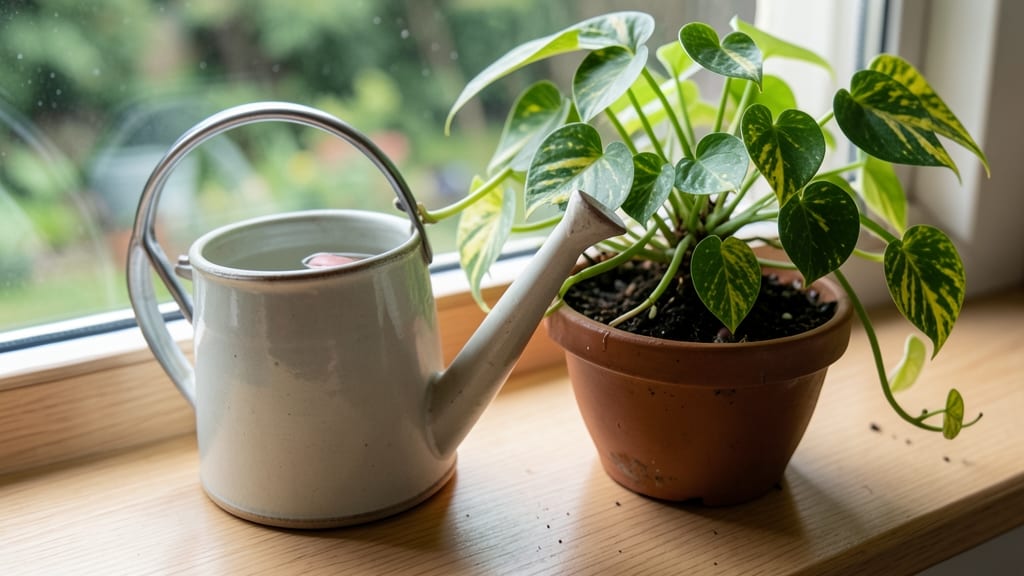
If your 💵 Money Plant leaves are drooping or turning yellow, you're not alone—money plant how much water is the #1 question new plant owners ask, and the answer is the key to keeping this popular houseplant thriving.
The truth is, watering mistakes are the #1 reason these plants struggle, and the fix starts with a simple routine. Whether you're new to plant parenting or a seasoned grower, mastering the right watering schedule will transform your Money Plant from wilting to vibrant in just a few weeks.
We've learned the hard way that overwatering kills more Money Plants than underwatering, and the solution isn’t guesswork—it’s understanding exactly how much water your plant needs to thrive without drowning its roots.
In this guide, I'll break down the exact watering schedule based on your plant's season, pot size, and even your home's humidity. You'll discover how to tell when your Money Plant is thirsty versus when it's begging for rescue from soggy soil—and why drainage makes all the difference.
Let's get your Money Plant back to its happiest, healthiest self with a watering plan that actually works. Your plant's future depends on it!

Money plant watering schedule: how often to water based on season
Your money plant (Pachira aquatica) thrives on a consistent watering routine, but the exact schedule shifts with the seasons. Unlike drought-tolerant succulents, money plants prefer moderate moisture—never soggy soil.
Let’s break down the science-backed watering frequency to keep your plant lush year-round, whether you’re growing it in a 6-inch pot or a hanging basket.
First, understand that money plants are tropical natives, meaning they love humidity and warmth but hate waterlogged roots. In spring and summer, when growth is most active, your plant will drink more water.
But in fall and winter, its thirst drops dramatically as it enters a slower growth phase. The key? Check soil moisture before watering—never stick to a rigid schedule without verifying.
Here’s the golden rule: Water when the top 1-2 inches of soil feel dry. Use your finger to test—if it’s dry, it’s time. For container-grown money plants, this usually translates to every 5-7 days in summer and every 10-14 days in winter.
But remember, factors like pot size, humidity levels, and light exposure can tweak this timeline. A small terracotta pot dries out faster than a large ceramic cache pot, for example.
Now, let’s talk about seasonal adjustments. During summer’s peak heat, your money plant may need watering twice a week, especially if it’s in a south-facing window where temperatures rise. In contrast, winter’s cooler air and lower light levels slow metabolism, so you’ll water half as often.
Pro tip: Group your money plants with other tropicals like peace lilies or philodendrons to create a microclimate with consistent humidity.
Light exposure plays a sneaky role in water needs. A money plant basking in bright indirect light (like an east-facing window) will drink more than one tucked in a dim corner. If you notice yellowing leaves despite regular watering, it might be getting too much light.
Move it back 3 feet from the window and reduce watering slightly. Conversely, if leaves curl inward, it’s thirsty—water immediately and increase humidity with a pebble tray.
For container gardening, pot size matters. A small 4-inch pot dries out in 3-4 days, while a large 12-inch pot can go 10-14 days between waterings. Always use a well-draining potting mix with perlite or orchid bark to prevent root rot.
If you’re unsure, lift the pot—if it’s lightweight, it’s dry. If it’s heavy, wait another day.
One common mistake? Watering on a schedule instead of checking soil moisture. I’ve seen money plants die from overwatering in winter simply because someone stuck to a summer routine.
Instead, use a moisture meter or the finger test to guide you. And always water thoroughly until water drains from the bottom—this ensures roots get oxygen and nutrients.
Finally, consider bottom-watering for money plants. Place the pot in a tray of room-temperature water for 10-15 minutes, then drain excess. This method encourages even moisture distribution and reduces the risk of fungal diseases from overhead watering.
Pair this with weekly misting in dry climates, and your money plant will reward you with glossy, vibrant leaves year-round.
Remember, every money plant is unique—adjust based on your home’s microclimate. Keep a garden journal to track what works best for your plant’s specific conditions. With this schedule, your money plant will stay
Signs your money plant needs water (vs. too much water)
Your money plant (Pachira aquatica) sends clear signals when it's thirsty or drowning. The key is learning to read its leaf language and soil clues. Unlike some plants, money plants don't like soggy roots but also can't handle bone-dry conditions.
Let's decode the visual cues that reveal whether your plant needs a drink or a break from the watering can.
First, check the soil moisture by sticking your finger about 1 inch deep into the soil. If it feels dry at this depth, your plant is likely thirsty. Money plants prefer their soil to dry out slightly between waterings, but they shouldn't stay bone-dry for long.
This tropical plant thrives in consistent moisture but hates sitting in waterlogged soil, which can lead to root rot.
🌱 Key Takeaway: Water When Soil is 50% Dry