
Plants
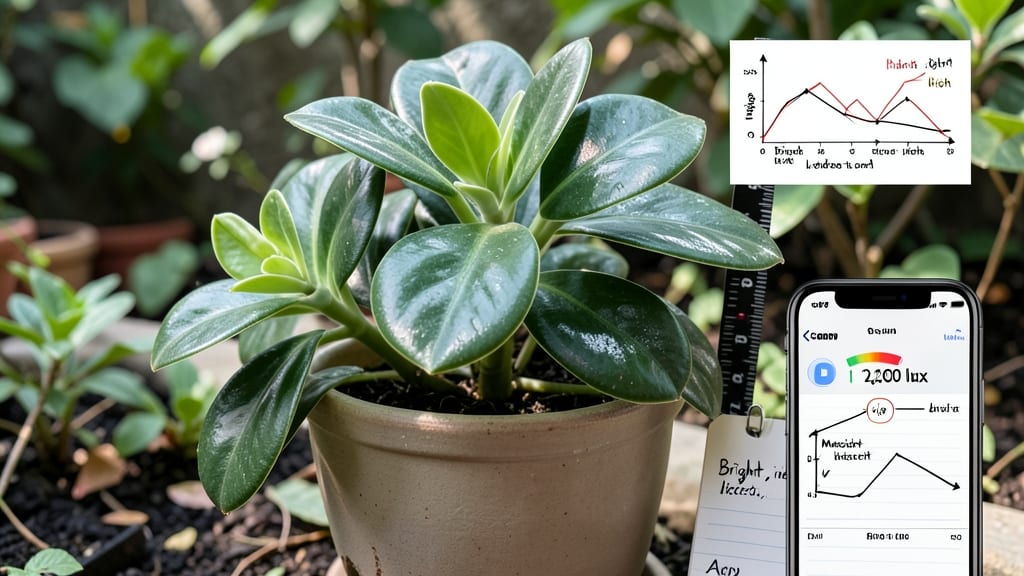
If your Hoya 🌿 plant looks more like a sad vine than a thriving beauty, you might be getting how much light does a Hoya plant need all wrong. Too little, and it stretches desperately toward the window; too much, and those glossy leaves turn crispy at the edges.
The sweet spot? Bright, indirect sunlight that mimics its natural jungle canopy.
Most Hoyas thrive in east-facing windows where morning sun gently warms their leaves without scorching them. But here's the catch: different species have different needs—some like a little more shade, while others crave a bit of afternoon glow.
I'll break down exactly what your plant is telling you with its leaves, so you can adjust before it's too late.
What if your home doesn't have ideal natural light? Don't worry—grow lights can be a game-changer for keeping your Hoya happy indoors. We'll cover the best types, how long to use them, and even budget-friendly setups that work just as well as pricey equipment.
Your plant's survival (and those stunning waxy leaves) depend on it.
Whether you're dealing with leggy growth or sunburned patches, this guide gives you the precise light conditions your Hoya needs to flourish. Let's turn that "maybe it's dying" plant into a showstopper with the right light strategy.


Optimal light requirements for Hoya plants: bright indirect sunlight explained
Hoya plants thrive under bright indirect sunlight, but their exact needs vary by species. Most Hoyas—like the popular Hoya carnosa—prefer 4 to 6 hours of filtered light daily.
This mimics their natural habitat in tropical forests, where dappled sunlight filters through canopies. Too little light leads to leggy growth, while too much causes leaf scorch or sunburn.
Think of Hoyas as sun-worshippers with sensitive skin. Direct midday sun (especially south-facing windows) can fry their leaves, turning them crispy or brown at the edges.
Instead, aim for east-facing windows or north-facing spots where sunlight is gentler. If your home lacks natural light, don’t worry—we’ll cover artificial lighting solutions later!
Seasonal adjustments are key. During spring and summer, Hoyas can handle slightly more light, but always shield them from harsh rays with sheer curtains. In fall and winter, when sunlight weakens, supplement with a grow light if you notice slow growth or stretched leaves.
Pro tip: Rotate your Hoya plant quarter-turns weekly to ensure even light exposure. This prevents one side from becoming lopsided or overly exposed. Uneven growth is a classic sign of light imbalance, and Hoyas hate it!
Not all Hoyas are created equal! Some species, like Hoya obovata or Hoya linearis, tolerate slightly more direct light than others.
If you’re growing a Hoya kerrii (the "sweetheart Hoya"), it’s one of the hardier varieties and can handle brief morning sun, but afternoon rays will still scorch it. Always research your specific variety—it’s the best way to avoid mistakes!
For indoor gardeners, window placement is everything. A spot 2 to 3 feet from an east-facing window is ideal because morning sun is gentle. North-facing windows work too, but avoid west or south-facing spots unless you’re using a sheer curtain to diffuse the light.
If your Hoya is near a window, check the leaves weekly for sunburn spots—they look like white or yellow patches and are a clear warning sign.
What about artificial light? If your home is dim, a full-spectrum LED grow light (like the Samsung LM300) can mimic natural sunlight. Place it 6 to 12 inches above your Hoya and run it for 12 to 14 hours daily.
Just avoid keeping it on 24/7—Hoyas need darkness too! A simple timer solves this.
One last tip: Observe your Hoya’s behavior. If the leaves start turning dark green and glossy, it’s happy. If they develop red or purple hues, it’s begging for more light. And if the stems stretch like spaghetti?
Time to move it closer to a brighter spot or invest in a grow light. Your Hoya will thank you with thicker leaves and even better blooms!
Optimal light requirements for Hoya plants: bright indirect sunlight explained
Hoya plants thrive in bright indirect sunlight, making them perfect for homes with east or north-facing windows. Unlike sun-loving succulents, Hoyas can’t handle harsh direct midday sun, which causes leaf burn. Think of it as the goldilocks zone—not too dim, not too intense.
Most Hoyas need 4-6 hours of filtered light daily. This mimics their natural habitat under forest canopies or on tree branches. In my experience, placing them near a sheer curtain diffuses sunlight just enough to prevent scorch while keeping leaves vibrant.
| Light Condition | Effect on Hoya | Best For |
|---|---|---|
| Bright Indirect Light (4-6 hrs) | Healthy growth, glossy leaves, occasional blooms | East/west windows, grow lights |
| Low Light (<4 hrs) | Leggy stems, pale leaves, slow growth | North windows, dim corners |
| Direct Sun (>6 hrs) | Brown patches, crispy edges, sunburn | South windows without filters |
Seasonal adjustments are key—summer sun is more intense, so move your Hoya a few feet back from the window. In winter, when light fades, supplement with a 12-hour grow light to maintain energy levels. I’ve seen Hoyas bloom twice a year with consistent light exposure!
Artificial light works wonders for low-light spaces. A 10,000-lux LED grow light placed 12 inches above your plant mimics natural sunlight. Rotate the pot weekly to ensure even growth—this prevents the plant from leaning toward the light source.
Pro tip: Hoya carnosa tolerates slightly lower light than Hoya obovata, which needs more brightness to flower. Always check the specific variety’s care guide—some hybrids are even more sensitive to light fluctuations.
Start with morning sun exposure and monitor your plant’s response. If leaves stay dark green and compact, you’ve nailed the balance. If they stretch or fade, it’s time to tweak the setup! 🌿