
Plants
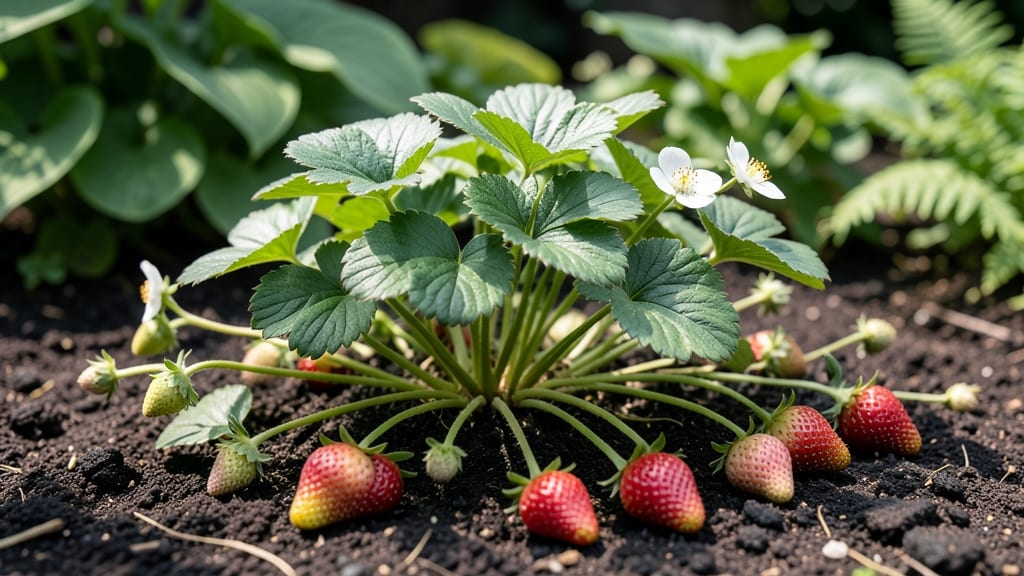
If you’ve ever wondered how tall your 🍓 strawberry plants will grow, the answer might surprise you—because these sweet little plants come in sizes that range from barely knee-high to surprisingly towering, depending on the variety.
Whether you’re dreaming of a neat, compact bed or a sprawling patch of berries, understanding the height differences between June-bearing and everbearing types is the key to planning your garden like a pro.
Most strawberry plants stay between 6 and 12 inches tall, making them perfect for small gardens, containers, or even window boxes. But don’t be fooled—some varieties, especially those trained on trellises or in vertical gardens, can stretch up to 18 inches or more when supported.
The right choice can mean the difference between a tidy, manageable plot and a jungle of runners taking over your yard.
In this guide, I’ll break down exactly how tall different strawberry types grow, which ones stay compact, and how to manage their height for the best harvest.
You’ll also discover practical tips for pruning, trellising, and spacing—so you can keep your plants happy, productive, and looking their best. Let’s get growing!
From dwarf varieties that fit snugly in pots to sprawling types that thrive with a little support, the height of your strawberry plants doesn’t have to be a mystery.
By the end of this, you’ll know exactly what to expect—and how to make the most of every inch of your garden. Ready to turn those tiny plants into a bountiful harvest?


Strawberry plant height by variety: from dwarf to towering types
Strawberry plants typically stay low to the ground, but their height can vary wildly depending on the variety and growing conditions.
Most mature strawberry plants reach 6 to 12 inches tall, but some dwarf varieties stay as short as 4 inches, while others can stretch up to 18 inches with proper support. Understanding these differences helps you plan your garden layout and choose the right plants for your space.
The three main strawberry types—June-bearing, everbearing, and day-neutral—each have distinct growth habits. June-bearing varieties, like 'Chandler', often grow taller to support their heavy fruit load, while everbearing types, such as 'Seascape', tend to stay shorter but produce fruit in multiple seasons.
Your choice of variety directly impacts how much space your strawberries will occupy.
Here’s how strawberry plant heights break down by category, including popular varieties and their typical mature heights:
June-bearing varieties like 'Chandler' often grow taller because they focus their energy on producing a single large crop in early summer. These plants can reach 18 inches when fully mature, especially if given rich soil and consistent water.
In contrast, everbearing varieties like 'Seascape' prioritize smaller, frequent harvests over height, staying closer to 8–12 inches tall.
If you're working with limited space, dwarf varieties are your best bet. Plants like 'Albion' or 'Mignonette' thrive in containers and window boxes, reaching only 4–8 inches tall. Their compact size makes them perfect for balconies, patios, or even indoor growing setups with sufficient light.
For larger gardens, taller varieties can be trained to grow vertically using trellises or stakes.
Another factor influencing height is pruning practices. Regularly removing runners (the long stems that produce new plants) can keep your strawberries shorter and more manageable. Without pruning, some varieties will send out runners that sprawl 2–3 feet or more, creating a dense mat of foliage.
This is why spacing is critical—planting too closely can lead to overcrowding and reduced yields.
For container gardening, choose everbearing or day-neutral varieties, as they naturally stay shorter and produce fruit throughout the growing season. In-ground plantings, however, can accommodate taller June-bearing types if you’re willing to invest in support structures like strawberry towers or vertical trellises.
These not only save space but also improve air circulation, reducing the risk of disease.
When planning your strawberry patch, consider both the height and spread of your chosen varieties. While height determines how much vertical space they’ll occupy, spread affects how much horizontal room they need.
For example, a 12-inch-tall plant might spread 18 inches in all directions, so account for this when spacing plants 12–18 inches apart.
Pro tip: If you love the idea of tall strawberries but have limited space, try vertical gardening. Use hanging baskets with built-in trellises or repurpose old gutters into strawberry towers. This method keeps plants contained while maximizing your harvest in small areas.
🌱
How to control strawberry plant height: pruning, training, and support methods
Managing strawberry plant height isn’t just about aesthetics—it’s about maximizing your harvest and keeping your garden tidy. Most strawberry plants naturally grow between 6-12 inches, but without proper care, they can sprawl uncontrollably.
The key is to combine pruning techniques, physical supports, and smart spacing to encourage healthy growth while keeping runners in check.
First, let’s tackle the most common issue: runners. These long stems produce new plants but drain energy from your main crop. If left unchecked, they’ll turn your neat strawberry patch into a tangled mess.
The good news? You can control them with simple pruning methods that take just 10 minutes per week during peak growing season.
Visual Guide: Managing Strawberry Plant Height
For taller-growing varieties like 'Seascape' or 'Chandler', consider installing a wire trellis system. These everbearing types can reach 12-18 inches when trained vertically, making them perfect for small spaces. Simply weave the vines through the wires as they grow—this not only saves space but also makes harvesting easier.
If you’re growing strawberries in containers, choose varieties like 'Alpine' or 'Mignonette' that stay under 8 inches tall. Use well-draining potting mix and ensure your container has drainage holes. Remember, container-grown strawberries need daily watering in hot weather to prevent wilting, which can stunt growth.
One common mistake is over-pruning. While removing runners is important, avoid cutting back more than 30% of the foliage at once. Strawberries rely on leaves for photosynthesis to fuel fruit production. Instead, prune runners gradually throughout the season to maintain a balance between growth and yield.
Pro tip: Harvest regularly to encourage more fruit production. When you pick ripe berries, the plant redirects its energy to produce new flowers and fruit, keeping the growth cycle strong and compact. Aim to harvest every 2-3 days during peak season to maintain plant vigor.