
How To
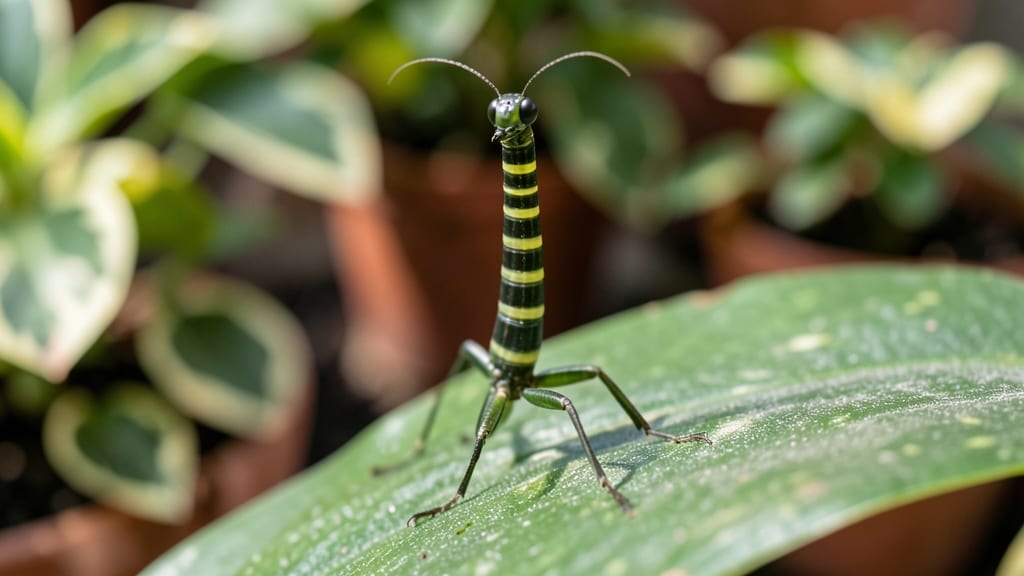
If you're wondering "how much light snake plant need", the answer might surprise you—this resilient 🌱 thrives on far less than you'd expect. Unlike fussy houseplants, snake plants are built to handle neglect, making them perfect for busy plant parents or dimly lit corners of your home.
Most snake plants do beautifully with just 6 hours of indirect sunlight daily, though they can stretch their leaves toward windows if given more. The key is avoiding harsh direct rays, which can scorch those iconic variegated stripes.
Whether you're in USDA Zone 6a or an apartment with limited natural light, this adaptable plant will reward you with lush growth.
What sets snake plants apart is their flexibility—too little light slows growth, but they won’t wilt like other plants. In fact, they’re one of the few that can survive under artificial lighting, making them a game-changer for offices or north-facing rooms.
Let’s break down exactly how to give your snake plant the perfect light balance for maximum health.
From recognizing signs of light stress to choosing the best spot in your home, you’ll learn how to keep your snake plant happy with minimal effort. Ready to turn your plant parenting struggles into success stories?


Optimal light requirements for snake plants: the 6-Hour rule explained
Snake plants (Sansevieria trifasciata) are famous for their hardiness, but even they need the right light exposure to thrive. The 6-hour rule isn’t about direct sunlight—it’s about bright, indirect light that mimics their natural African savanna habitat.
Too little light slows growth, while too much causes leaf scorch and crispy edges. Let’s break down the perfect lighting conditions for your snake plant.
Start by placing your snake plant 2-3 feet from a north-facing window, where it gets morning to early afternoon indirect light. This setup provides 4-6 hours of gentle light—ideal for most varieties.
South-facing windows work too, but filter the light with a sheer curtain to prevent harsh rays from damaging the leaves. East or west windows can also work, but they may require supplemental light during shorter winter days.
Here’s the key: snake plants thrive on bright indirect light, not direct sun. Think of it like a sunbathing rule—they love basking in light but hate burning.
Direct midday sun (especially in summer) can cause brown patches or yellowing leaves, while dim corners lead to stunted growth and pale foliage. The sweet spot is moderate light intensity—enough to keep leaves upright and vibrant.
| Light Condition | Ideal Hours/Day | Best Window Placement | Signs of Correct Light |
|---|---|---|---|
| Bright Indirect Light | 4-6 hours | North or east-facing | Upright leaves, deep green |
| Low Light | 2-4 hours | Corner away from windows | Pale leaves, slow growth |
| Direct Sunlight | >6 hours (unfiltered) | South-facing (no filter) | Brown tips, crispy edges |
Seasonal adjustments are crucial. In summer, when sunlight is intense, move your snake plant a few feet back from the window or use a light sheer curtain to diffuse the rays.
During winter, when days are shorter, supplement with a grow light (more on this later) to maintain 4-6 hours of light exposure. Even in low light, snake plants survive, but they’ll grow slowly and weakly—think of it as their "survival mode."
Pro tip: Rotate your snake plant every 2-3 weeks to ensure even growth. Plants lean toward light sources, so a quarter-turn keeps them symmetrical and sturdy. This is especially important for taller varieties like Sansevieria 'Futura Superba', which can become top-heavy without proper light exposure.
A well-lit snake plant will reward you with bold stripes, upright leaves, and minimal pest issues.
If you’re unsure about your home’s light levels, try the "shadow test": Place a white piece of paper near your plant during peak sunlight hours. If the shadow is sharp and dark, the light is too harsh.
If it’s soft and fuzzy, you’ve found the perfect spot. Snake plants are forgiving, but consistency is key—avoid moving them around frequently, as this stresses the plant.
For outdoor snake plants, they can handle partial shade but avoid deep shade, which leads to leggy growth (long, weak stems). If growing outdoors in USDA Zone 6a, bring potted plants indoors before the first frost (around October 30 in most regions).
Their drought tolerance makes them perfect for terrace gardens or patio pots, but always ensure they’re in a spot with filtered sunlight during peak hours.
Remember: snake plants are not low-light plants—they’re low-maintenance plants that thrive in moderate light. The goal is to mimic their natural environment: bright but indirect, with occasional bursts of sunlight.
With the right lighting, your snake plant will grow strong, vibrant, and nearly indestructible—just like its reputation suggests.
Next, we’ll cover the tell-tale signs your snake plant is getting too much or too little light, so you can spot issues before they become serious. 🪴
Optimal light requirements for snake plants: the 6-Hour rule explained
Snake plants (Sansevieria trifasciata) are famous for their resilience, but even they need the right amount of light to thrive. The 6-hour rule is your golden standard—this means 6 hours of bright, indirect sunlight daily is ideal, though they can adapt to less.
Too much direct sun causes leaf scorch, while too little slows growth and dulls their striking patterns.
Indirect light mimics their natural habitat under dappled shade in tropical forests. Place your snake plant near a north-facing window or a few feet from an east- or west-facing one to avoid harsh afternoon rays.
If your home lacks natural light, don’t worry—we’ll cover artificial light solutions later to keep your plant happy.
| Light Condition | Hours Needed | Ideal Placement | Growth Impact |
|---|---|---|---|
| Bright Indirect Light | 6 hours | North-facing window or 3 feet from east/west window | Optimal growth, vibrant foliage |
| Low Light | 2-4 hours | Corner of a room, away from windows | Slower growth, pale leaves |
| Direct Sunlight | >4 hours | South-facing window or outdoors in summer | Brown tips, leaf burn, stress |
Seasonal adjustments are key. In summer, when sunlight is intense, move your snake plant further from the window or use a sheer curtain to diffuse light. During winter, when days are shorter, supplement with grow lights if natural light drops below 4 hours daily.
This flexibility makes snake plants perfect for indoor gardening in any season.
Pro tip: Rotate your plant quarter-turns every 2-3 weeks to ensure even light exposure. This prevents one-sided growth and keeps those iconic vertical stripes symmetrical. A slow rotation mimics natural light shifts and encourages balanced foliage development.
If you’re unsure about your space’s light levels, use a simple test: Hold a white sheet of paper near your plant’s spot. If the shadows are sharp and dark, it’s direct light—move the plant back. If shadows are soft and pale, it’s indirect light, perfect for snake plants.
Remember, snake plants are drought-tolerant, but their light needs directly impact their health. Striking the right balance between brightness and indirect exposure ensures your plant stays lush, upright, and full of life—no green thumb required!