
Plants
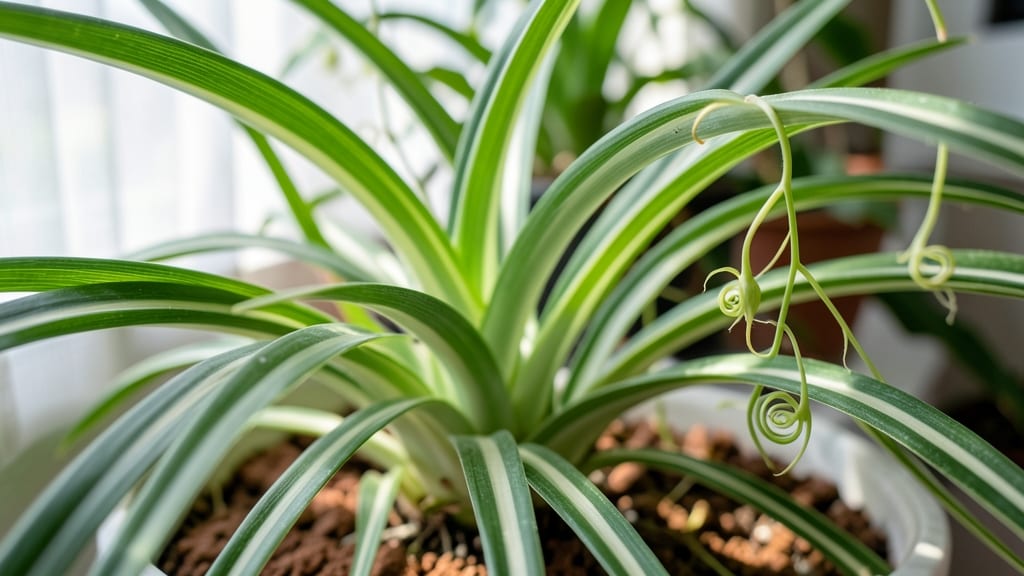
If your 🕷️ Spider Plant looks more like a sad stalk than a lush green friend, chances are you're getting how much light does a spider plant need indoors all wrong.
The truth is, most people overcomplicate it—your Spider Plant doesn’t need fancy setups to thrive indoors, but it does need the right balance of light to avoid those dreaded brown tips or stretched-out leaves.
Here’s the game-changer: bright indirect light is the sweet spot, but even low-light spots can work if you know the tricks.
Whether you’re dealing with a dim corner or a sun-soaked windowsill, I’ll show you exactly how to spot the signs of too much (or too little) light—and how to fix it fast.
No more guessing games. By the end of this, you’ll know where to place your plant for optimal growth, how to tell if it’s struggling, and even how to use simple tools like a mirror or sheer curtain to hack the perfect lighting.
Let’s get your Spider Plant back to its happy, vibrant self—without the stress.
The best part? These tips work year-round, whether you’re a beginner or a plant parent who’s tired of seeing their Spider Plant fight for survival. Ready to give it the care it deserves?


Optimal light requirements for spider plants: bright indirect vs. low light tolerance
If you've ever watched your spider plant stretch toward the window like a sunflower, you're not imagining things—it's craving the right amount of light. These plants thrive in bright indirect light, which means they need plenty of natural light but without the harsh rays of direct sun.
Think of it as a goldilocks zone for your plant: not too dim, not too bright, but just right.
The ideal light spectrum for spider plants falls between 1,000 to 2,000 foot-candles. This is roughly the light intensity you'd find on a cloudy day or a few feet away from an east-facing window. Too little light, and your plant will become leggy and sparse.
Too much direct sun, and those beautiful variegated leaves will start to scorch and brown. Balancing this is key to keeping your spider plant happy and healthy.
Most people assume that any window will do, but the truth is, window direction matters. East-facing windows provide gentle morning light, while north-facing windows offer consistent but softer light throughout the day.
South-facing windows can be too intense unless you're using a sheer curtain to diffuse the light. West-facing windows? Those hot afternoon rays can be a recipe for sunburned leaves.
Here’s the light requirement breakdown you need to know at a glance:
| Light Condition | Foot-Candles | Best Window Placement | Symptoms of Poor Light |
|---|---|---|---|
| Bright Indirect Light | 1,000–2,000 | East or North-facing, 2–3 ft from window | Healthy growth, vibrant leaves |
| Low Light | Under 500 | Far from windows, dark corners | Leggy stems, sparse leaves, yellowing |
| Direct Sunlight | Over 2,500 | South or West-facing, no filter | Brown tips, crispy edges, bleached leaves |
One of the biggest misconceptions about spider plants is that they can thrive in low light conditions indefinitely. While they are more tolerant than many houseplants, pushing them into dark corners will inevitably lead to leggy growth and weak foliage.
If your home lacks natural light, consider supplementing with a grow light for 6–8 hours a day. LED grow lights are energy-efficient and perfect for mimicking natural sunlight.
Another common mistake is assuming that variegated spider plants need more light than solid green varieties. While variegated plants do require slightly brighter conditions to maintain their striped patterns, they still prefer indirect light.
Placing them too close to a window can cause the white stripes to burn and turn yellow, so keep them at a safe distance.
If you're unsure whether your spider plant is getting enough light, look for these visual cues: healthy leaves should be arching slightly and vibrant in color. If the leaves are pointing straight up or stretching toward the light source, it’s a clear sign your plant needs more brightness.
On the flip side, if the leaves are dark green and crispy, it might be getting too much direct sun.
Pro tip: Rotate your spider plant every few weeks to ensure even light exposure on all sides. This prevents one side from becoming overly stretched or sunburned while the rest of the plant lags behind. A slow quarter-turn every week keeps your plant balanced and encourages uniform growth.
Remember, spider plants are forgiving but not invincible. With the right light conditions, they’ll reward you with lush foliage, long arching leaves, and those adorable baby spiderettes that make propagating so easy. 🌱
How to adjust light conditions for different spider plant growth stages
Spider plants don’t have static light needs—their requirements change as they grow. Baby spider plants need more light to establish strong roots, while mature plants adapt better to lower light. Understanding these shifts helps prevent common mistakes like over-exposing young plants or underlighting established ones.
For newly propagated offsets (baby plants), place them in bright indirect light for the first 2-3 weeks. This mimics their natural growth environment and encourages compact, healthy foliage. Avoid placing them in dim corners immediately—they’ll stretch and weaken if light-starved during early growth.
🌱 Pro Tip: Rotate your spider plant’s pot quarter-turns every 2 weeks to ensure even light exposure. This prevents one side from leaning toward the window, which is especially important for young plants still developing their structure.
⚠️ Light Shock Warning
Never move a mature spider plant from low light to direct sun suddenly. This causes leaf burn (brown patches) and stress. Instead, gradually increase light exposure over 7-10 days by moving the plant closer to a window in 2-inch increments.
Mature spider plants are more flexible with light but still prefer bright indirect light.
If your plant has been in low light for months, you can safely move it to a sunnier spot, but monitor for yellowing leaves—a sign of adjustment stress. West-facing windows work well for mature plants, offering morning sun and filtered afternoon light.
Seasonal changes also affect light needs. During winter months (when daylight is shorter), supplement natural light with a 10-12 hour grow light if your spider plant starts showing pale leaves or sparse growth.
A simple LED grow bulb (6000K color temperature) placed 12-18 inches above the plant mimics natural sunlight without overheating.
💡 DIY Light Test: Hold a white sheet of paper near your plant’s leaves. If you can read text easily, the light is too harsh. If the paper appears dark or shadows are faint, the plant needs more light.
Adjust placement until the paper shows moderate contrast—this is your ideal light zone.