
How To
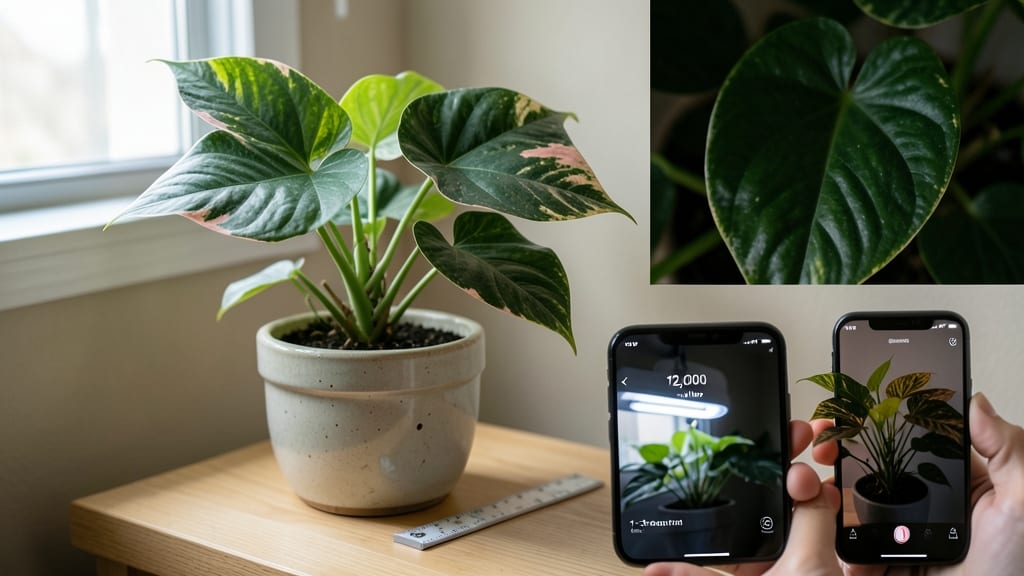
If your Arrowhead Plant 🌿 looks tired or stretched out, you’re probably dealing with the most common indoor plant problem: how much light does an arrowhead plant need? The good news? This hardy houseplant thrives in conditions most homes already have—you just need to know where to place it.
Too little light and your plant will grow leggy and weak; too much, and those beautiful leaves will scorch. The secret lies in bright indirect sunlight, which mimics its natural tropical habitat.
I’ll show you exactly how to spot the perfect spot in your home and what to watch for when things go wrong.
Whether you’re dealing with a sunroom, a dim corner, or a north-facing window, I’ve got practical tips to keep your Arrowhead Plant lush and happy. Let’s fix those light struggles once and for all—your plant’s vibrant growth is just a few adjustments away.
From rotating your plant for even exposure to supplementing with grow lights, you’ll learn how to create ideal conditions without guesswork. Ready to give your Arrowhead Plant the care it deserves?


Ideal light requirements for arrowhead plants: bright indirect sunlight explained
The arrowhead plant (Syngonium podophyllum) thrives in bright indirect sunlight, making it perfect for indoor spaces with filtered light. Unlike sun-hungry succulents, this tropical beauty avoids harsh rays that cause leaf burn.
Think of it as the Goldilocks of houseplants—not too dark, not too bright, but just right for lush, arrow-shaped foliage.
In nature, arrowhead plants grow under the dappled shade of rainforest canopies, where sunlight filters through leaves. Recreating this environment at home means positioning your plant near east or north-facing windows, where morning sun is gentle.
South or west windows can work too, but only if you diffuse the light with sheer curtains to prevent scorching.
Direct sunlight for more than 2-3 hours daily risks turning your plant’s leaves yellow or crispy along the edges. Too little light, however, leads to leggy growth and pale, stretched-out leaves—a classic sign your plant is reaching for more light.
The goal? Keep leaves deep green and vibrant, with no signs of stress.
Seasonal adjustments are key. During summer months, when sunlight is intense, move your arrowhead plant a few feet back from the window or add a sheer curtain. In winter, when natural light dims, supplement with a grow light 6-12 inches away for 6-8 hours daily to maintain its energy.
Here’s how to spot light-related issues quickly: - Brown patches or crispy edges = Too much direct sun - Pale, yellow leaves = Insufficient light - Stems stretching or leaning = Plant needs more light - Slow growth or small leaves = Light is too weak
For optimal growth, aim for 4-6 hours of bright indirect light daily. If your home lacks natural light, a south-facing window with a sheer curtain or a grow light setup can mimic ideal conditions.
Even a well-lit bathroom or kitchen can work if you rotate the plant quarter-turns weekly to ensure even exposure.
| Light Condition | Ideal Setup | Signs of Stress | Solution |
|---|---|---|---|
| Bright Indirect Light | East/north window, 2-3 ft away | Deep green leaves, compact growth | Rotate plant weekly for even growth |
| Low Light | North window or interior room | Pale leaves, leggy stems | Add grow light 6-8 hrs/day |
| Direct Sunlight | South/west window, no curtain | Brown patches, crispy edges | Move 3+ ft away or use sheer curtain |
| Artificial Light | Grow bulb, 12-18 inches away | Healthy growth, no stress | Use full-spectrum bulb, 12-14 hrs/day |
Pro tip: Use a reflective surface like a white wall or mirror behind your plant to bounce extra light onto its leaves. This trick works wonders in low-light rooms without requiring additional equipment.
Just avoid placing your arrowhead plant in drafty spots near doors or AC vents, as temperature fluctuations can stress it out.
Monitor your plant’s response to its light environment weekly. If you notice new leaves turning yellow or older leaves browning, adjust its position immediately. Remember, arrowhead plants are forgiving—they’ll bounce back with the right care, but consistency is key to keeping them lush and thriving year-round.
For extra vibrancy, pair your arrowhead plant with others that love similar light conditions, like pothos or philodendrons. This creates a mini indoor jungle that’s both beautiful and low-maintenance.
With the right light, your arrowhead plant will reward you with bold foliage and rapid growth that’s sure to impress.
How to adjust light conditions: troubleshooting common arrowhead plant light issues
Your arrowhead plant (Syngonium podophyllum) might be sending you signals about its light needs, but you’re not sure how to interpret them. Leggy stems or pale leaves often mean it’s craving more brightness, while brown patches or crispy edges scream "too much sun!"
Let’s decode these clues and fix them fast.
Start by examining your plant’s growth patterns. If it’s stretching toward the window like a sunflower, it’s begging for more indirect light. Rotate the pot quarter-turns weekly to ensure even growth.
For south-facing windows, use a sheer curtain to filter harsh afternoon rays—this mimics its natural understory habitat.
🚨 CRITICAL WARNING 🚨
- Direct afternoon sun (burns leaves)
- North-facing windows (too dim for long-term health)
- Fluorescent bulbs only (lacks full spectrum light)
If your arrowhead plant looks wilting or dull, it might be in a low-light zone. Move it closer to a window or supplement with a grow light (LED bulbs work best). For high-light issues, like yellowing leaves, trim the damaged foliage and relocate it to a shadier corner—even a bathroom with a skylight can work!
Seasonal shifts matter too! In winter, when daylight fades, your plant may need a 12-hour light boost from a timer-controlled bulb. In summer, watch for heat stress near west-facing windows—move it back 5 feet if leaves crisp.
For room-specific fixes, kitchens often have bright but fluctuating light—place your arrowhead near the sink (but not in direct sun). Bedrooms? Opt for a north-facing window with a reflective surface (like a mirror) to bounce extra light onto the leaves.
Even a well-lit bookshelf can work if you rotate the plant weekly.
Remember: Patience is key. Adjustments take 2–4 weeks to show results. Track changes with a plant journal—note leaf color, growth rate, and light source. Soon, your arrowhead will reward you with bold variegation and compact, bushy growth that’s the envy of every plant parent! 🌿