
Plants
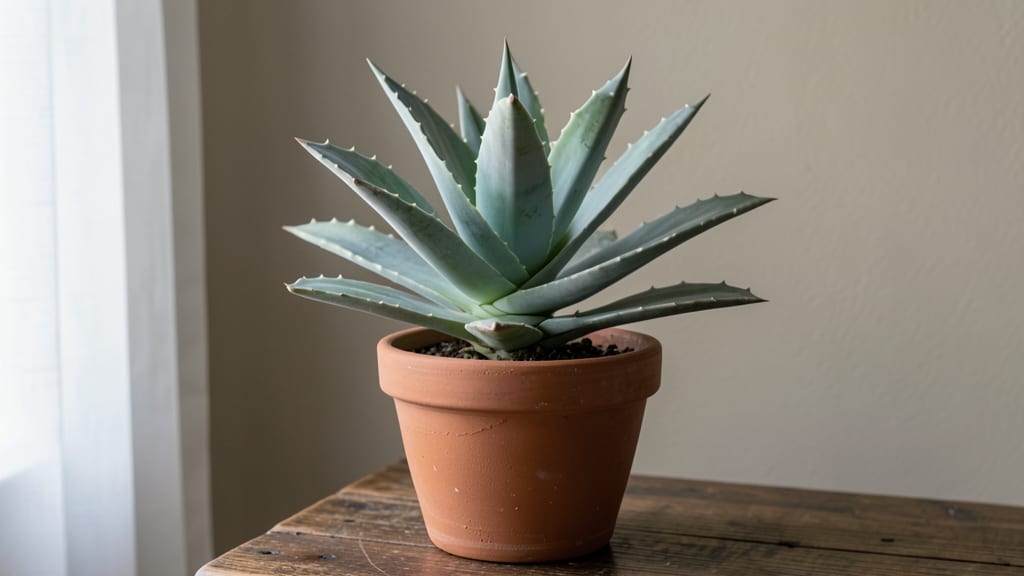
If you’re wondering how much light does an aloe plant need, the answer is simpler than you might think—but getting it right is the key to keeping your plant thriving.
This hardy succulent loves bright conditions, but too much direct sun can scorch its leaves while too little leaves it weak and leggy. The sweet spot? 4 to 6 hours of sunlight daily, whether from a south-facing window or outdoor placement.
I’ll break down exactly how to balance light for your aloe’s health, whether you’re growing it indoors or outdoors.
You’ll learn to spot the signs of over- or under-exposure and adjust placement in just a few simple steps. No guesswork—just clear, actionable tips to keep your aloe happy year-round, no matter your climate or space.
Ready to give your aloe the perfect light setup? Let’s dive into the details so you can finally see those plump, vibrant leaves you’ve been dreaming of.


Ideal light requirements for aloe vera growth: sunlight hours and intensity
Aloe vera plants are sun worshippers—they crave bright, indirect light to thrive. While they can handle some direct sunlight, 4-6 hours of daily sun exposure is ideal for robust growth.
This range balances their need for energy without risking leaf burn, which is common when exposed to intense midday rays for too long.
Many gardeners mistakenly believe aloe plants can survive in low-light conditions, but this leads to stretched, weak growth and pale leaves. Think of aloe as a desert plant—it mimics arid environments where sunlight is abundant but not scorching all day.
The key is replicating this balance in your home or garden.
Indoor aloe care requires strategic placement near south-facing windows, where sunlight is brightest. If your home lacks natural light, supplement with grow lights (12-14 hours daily) to prevent leggy growth. For outdoor plants, morning sun paired with afternoon shade is perfect, especially in hot climates.
| Light Requirement | Specification | Ideal Conditions |
|---|---|---|
| Sunlight Hours | 4-6 hours daily | Morning sun + afternoon shade (outdoors) or south-facing window (indoors) |
| Light Type | Bright indirect | Filtered through sheer curtains or diffused by foliage |
| Intensity | Moderate to high | Avoid direct midday sun (10 AM–2 PM) in hot climates |
| Seasonal Adjustments | Winter vs. Summer | More direct sun in winter; partial shade in summer |
| Grow Light Alternative | 12-14 hours/day | LED grow lights 6–12 inches above plant |
In hot climates (USDA Zones 9-11), aloe plants can adapt to more direct sunlight, but always provide afternoon shade during peak summer months to prevent leaf scorch.
Conversely, in cooler zones (Zones 6-8), extend sunlight exposure slightly—aloe can handle up to 8 hours of sun if temperatures stay above 50°F.
If you notice your aloe’s leaves turning yellow or brown at the tips, it’s often a sign of too much direct sun. Move it to a spot with dappled shade or use a sheer curtain to filter harsh rays.
For indoor plants, rotate the pot quarter-turns weekly to ensure even light exposure on all sides.
Another common mistake is assuming all bright light is equal. Fluorescent bulbs, for example, won’t suffice—aloe needs full-spectrum light to photosynthesize properly. If your home lacks natural light, invest in a LED grow light with a color temperature of 5000-6500K for optimal results.
For outdoor aloe plants, place them where they receive morning sun and afternoon shade, such as near a west-facing wall or under a patio umbrella. This mimics their natural desert habitat, where intense midday sun is avoided.
In containers, ensure the pot has drainage holes to prevent root rot from excess moisture, especially in low-light conditions.
Pro tip: Test your aloe’s light tolerance by gradually increasing exposure. Start with 2-3 hours of sun daily and monitor for leaf color changes. Over 2-3 weeks, adjust placement until you find the sweet spot for your plant’s health.
Patience here pays off with thicker, healthier leaves and fewer care headaches.
Remember, aloe vera is not a low-maintenance plant if light needs aren’t met. While it’s drought-tolerant, it’s not shade-tolerant. Give it the bright light it craves, and it’ll reward you with medicinal leaves and stunning foliage for years to come. 🌱
Ideal light requirements for aloe vera growth: sunlight hours and intensity
Aloe plants are sun-worshippers—they crave bright, indirect light to thrive. In their natural desert habitat, aloe vera receives 4-6 hours of direct sunlight daily, but they’re surprisingly adaptable to indoor conditions when given the right light. The key is balancing intensity and duration to avoid stress or sunburn.
For outdoor aloes, morning sun (6 AM–12 PM) is ideal—it’s less intense than afternoon rays. If you’re growing aloe in pots, rotate the container every few weeks so all sides get even light exposure.
This prevents lopsided growth and ensures your plant stays compact and healthy. Indoor aloes, however, need a south-facing window or a grow light to mimic these conditions.
| Requirement | Specification |
|---|---|
| Daily Sunlight | 4-6 hours (outdoors) / Bright indirect (indoors) |
| Best Window Placement | South-facing (6+ hours sunlight) |
| Indoor Light Alternative | Grow light (12-14 hrs/day, 6-12 inches away) |
| Seasonal Adjustments | Reduce direct sun in summer; supplement in winter |
A common misconception is that aloes can handle full sun all day, but this leads to leaf scorch—visible as crispy, brown edges. If your aloe is outdoors, provide afternoon shade during peak summer months (especially in hot climates like USDA Zones 9-11).
For indoor plants, avoid placing them near west-facing windows, where afternoon sun can be too harsh.
In cooler months, aloes enter a dormant phase and need slightly less light. If you notice stretched, leggy growth, it’s a sign your plant is reaching for light. At this point, move it closer to a window or add a 15-watt LED grow light for 6 hours daily.
This mimics natural daylight and keeps your aloe compact and vibrant.
Pro tip: Test your aloe’s light tolerance by starting with 2-3 hours of morning sun and gradually increasing exposure. If the leaves develop red or purple hues, it’s a sign of light stress—immediately move it to a brighter (but indirect) spot.
This gradual acclimation prevents shock and ensures your aloe adjusts smoothly to its new environment.
Remember, aloes are drought-tolerant but not heat-tolerant—proper light exposure is the foundation for healthy growth. Pair this with well-draining soil and minimal watering, and your aloe will reward you with thick, plump leaves for years to come. 🌿