
Plants
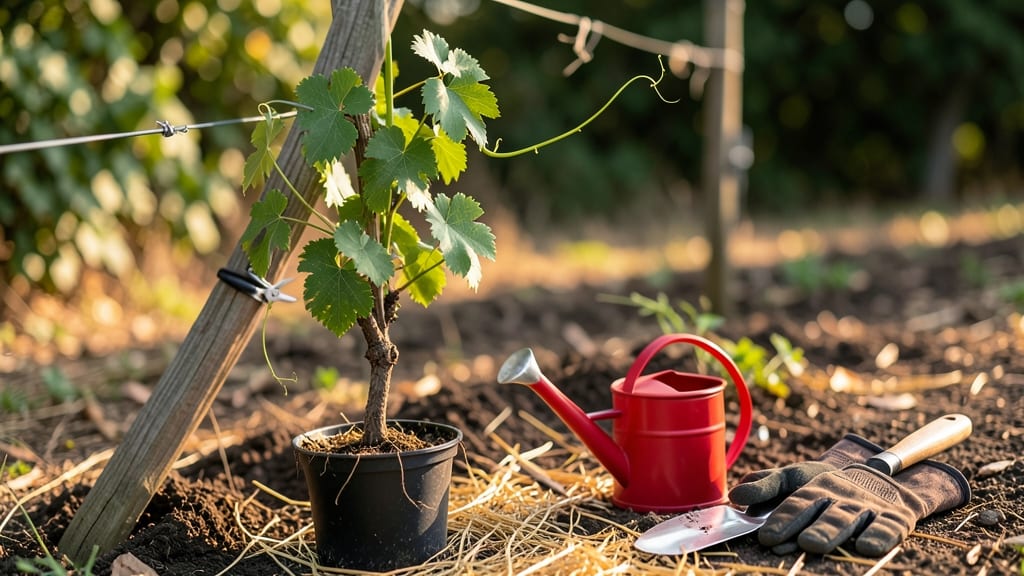
Timing your grapes planting in Colorado can make or break your harvest, especially with the state's unpredictable spring weather. Whether you're growing 🍇 in the Front Range or the Western Slope, getting those vines in the ground at the right moment is critical for survival—and future fruit.
Most Colorado gardeners know the general rule: wait until after the last frost, but the exact timing varies wildly depending on your elevation. At lower elevations near Denver, you might be ready by late April, while mountain growers in zones 5-6 should hold off until early June.
The key is balancing warm soil with cool nights—too early and frost will kill tender roots; too late and your vines won't establish before summer heat arrives.
I've helped countless Colorado gardeners navigate these challenges, and the best approach depends on your microclimate. In this guide, I'll break down the exact planting windows for your specific zone, plus pro tips for soil prep and frost protection that actually work in our variable climate.
Let's get those vines thriving!
From container-friendly varieties for urban growers to hardy cold-climate grapes for high-country farms, we'll cover everything you need to know. By the end, you'll have a clear plan tailored to your corner of Colorado—so you can enjoy that first harvest of juicy, homegrown grapes in August or September.
Ready to dig in?
Optimal grapes planting months in Colorado by elevation zone
Colorado’s dramatic elevation shifts—from the high plains of the eastern plains to the mountain valleys near Denver and the Rocky Mountains—create wildly different planting windows for grapes. At 2,000–5,000 feet, you’ll enjoy longer growing seasons, while 7,000+ feet zones face shorter frost-free periods.
Getting your timing right means the difference between a bountiful harvest and frost-nipped vines.
Most Colorado gardeners plant grapes in late April to early June, but this shifts based on your USDA hardiness zone (typically 4–8 in the state) and last frost date.
For example, Denver (Zone 5b) averages its final frost around May 15, while Grand Junction (Zone 7a) sees frost-free conditions by April 1. Always wait until soil temperatures hit 50°F—a critical threshold for root establishment.
Here’s how to align your planting with Colorado’s three key elevation zones, including frost risks and ideal grape varieties for each:
For lowland zones (Zones 6–7), like the Pueblo area or Western Slope, you can plant as early as late April if the soil is workable. These areas benefit from longer growing seasons, allowing heat-loving varieties like Cabernet Sauvignon to ripen fully.
However, always monitor weather forecasts—a late frost in May can still damage young vines.
In foothills regions (Zones 5–6), such as Boulder or Colorado Springs, aim for early May planting. These zones experience unpredictable late frosts, so delay planting if nighttime temperatures dip below 40°F.
Use frost cloth or row covers for added protection during the first few weeks after planting.
At mountain elevations (Zones 4–5), like Fort Collins or Steamboat Springs, wait until mid-June to plant. These areas have short frost-free seasons (often 90–120 days) and require cold-hardy varieties like Frontenac or Marquette.
Planting later ensures vines establish roots before the first frost, which can arrive as early as October 1.
If you’re in a transition zone (e.g., Denver metro area), err on the side of planting later—around mid-May—to avoid frost damage. Consider using container growing for extra mobility; you can move pots to a sheltered location if frost is forecasted.
Containers also warm up faster in spring, giving you a 2–3 week head start on in-ground planting.
Pro tip: Use a soil thermometer to confirm soil temps are consistently above 50°F before planting. Cold soil can stunt root growth, leaving vines vulnerable to disease and drought stress later in the season.
In Colorado’s arid climate, mulching with straw or wood chips helps retain moisture and regulate soil temperature.
Remember, bare-root vines (dormant plants sold without soil) are the easiest to establish in Colorado’s short spring window. Plant them on a sloped trellis to improve airflow and reduce fungal diseases like powdery mildew, which thrives in Colorado’s humid summers.
With the right timing and variety, your grapes can thrive—even in the thin mountain air! 🍇
Optimal grapes planting months in Colorado by elevation zone
Colorado’s three distinct elevation zones—lowlands, foothills, and mountains—each demand unique planting windows for grapes. The last frost date shifts dramatically: Denver (5,280 ft) averages April 15, while mountain towns like Aspen (7,800 ft) may not see final frost until May 15.
Planting too early risks frost damage to tender shoots, while waiting too long limits root establishment before summer heat arrives.
For lowland areas (2,000–5,000 ft), like the Front Range, aim to plant dormant bare-root vines between late April and early May. Soil temperatures should reach 50°F consistently—use a soil thermometer to confirm.
In foothills (5,000–7,000 ft), such as Colorado Springs, extend your window to mid-May to avoid late frosts that can kill young vines.
🍇 Colorado Grape Planting Guide by Elevation
| Elevation Zone | USDA Zone | Best Planting Window | Key Consideration |
|---|---|---|---|
| Lowland (2,000–5,000 ft) | 6–7 | Late April–Early May | Soil warms faster; risk of late frosts |
| Foothills (5,000–7,000 ft) | 5–6 | Mid-May | Cooler nights; extend window to avoid frost |
| Mountain (7,000+ ft) | 4–5 | Early June | Short growing season; use cold-hardy varieties |
💡 Pro Tip: Check your local CoCoRaHS station for last frost dates—Colorado’s microclimates vary by just miles!
In mountain regions (7,000+ ft), like Grand Junction or Durango, delay planting until early June to ensure vines establish roots before first frost hits in October. These areas thrive with cold-hardy varieties like Concord or Frontenac, which tolerate USDA Zone 4 conditions.
Always choose dwarf or semi-dwarf rootstocks to manage vine size in tight mountain gardens.
Regardless of elevation, container planting offers flexibility for Colorado’s unpredictable springs. Move pots to sheltered spots during late frosts or roll them into greenhouses. Just ensure containers have drainage holes—grapes hate soggy roots, especially in Colorado’s clay-heavy soils.
Mulch heavily with straw or wood chips to retain moisture and regulate soil temperature.
Timing isn’t just about frost—it’s also about heat acclimation. Vines planted in June may struggle to harden off before winter, while those planted in April risk spring freezes. Balance these factors by monitoring 7-day forecasts and planting when warm spells are predicted to last 10+ days.
Patience pays off: a well-timed vine can produce harvests for decades.