
Plants
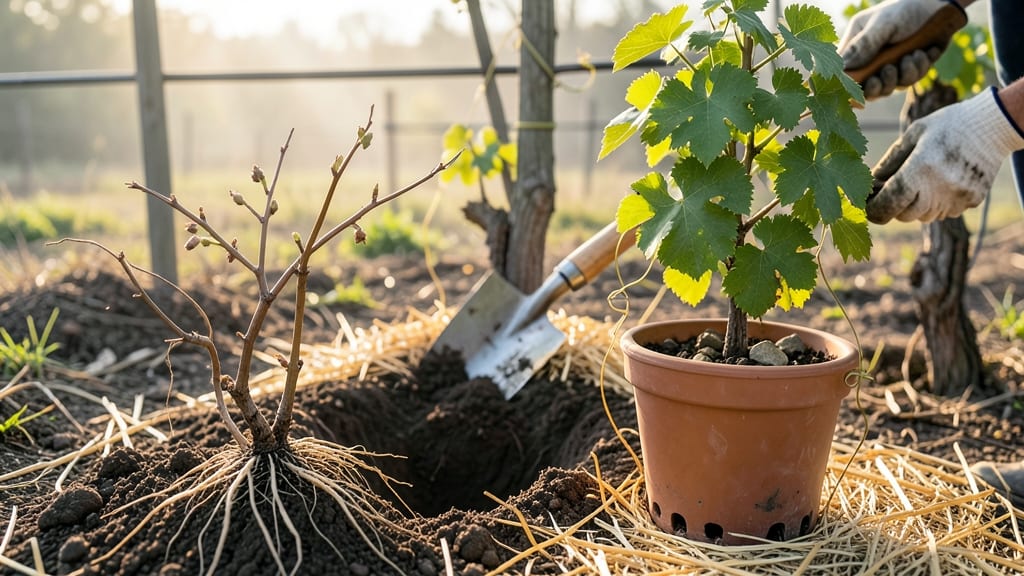
Planting your grape vine 🍇 at the wrong time in Zone 7 could mean the difference between a thriving harvest and years of disappointment. The best window isn't just about seasons—it's about soil warmth, frost risk, and giving those roots the perfect head start for strong growth.
Most gardeners in Zone 7 focus on spring planting, but late fall can actually give your grape vine an edge.
The key is understanding when soil temperatures consistently stay above 50°F, typically around March or April for early spring, or after the first frost in October or November for fall planting.
Why does timing matter so much? Because grape vines need 6-8 weeks of warm soil to establish roots before summer heat arrives. Plant too early, and frost might damage tender shoots. Plant too late, and your vine struggles to mature before winter dormancy.
In this guide, I'll walk you through the exact months that work best in Zone 7, plus soil prep tips and root care secrets to ensure your grape vine takes off like a pro. Let's get those vines growing strong!
Optimal planting windows for grape vines in Zone 7: month-by-month breakdown
In Zone 7, timing your grape vine planting is critical—too early and frost threatens tender roots, too late and roots struggle to establish before winter. The ideal window spans late winter to early spring, with March and April as the sweet spot for bare-root vines.
This timing aligns with soil warming and minimizes frost risk while giving roots 6-8 weeks to establish before summer heat arrives.
For container-grown vines, late fall (October-November) offers a second planting window. These vines enter dormancy faster, reducing winter stress. However, avoid planting in December or January—cold soils slow root growth, and vines may not recover before spring growth begins.
Always check your last frost date (typically around April 15 in Zone 7) to guide your schedule.
Soil temperature is your best guide: Aim for 50-60°F (10-15°C) at a 6-inch depth. Use a soil thermometer to confirm—warm soil accelerates root growth, while cold soil can stunt development for months.
In Zone 7's variable climate, microclimates matter: Slopes warm faster than valleys, and south-facing sites are 1-2 weeks earlier than north-facing spots.
Here’s the month-by-month breakdown of what to expect when planting grape vines in Zone 7, including soil conditions, frost risks, and root establishment timelines:
If you miss the spring window, don’t despair—late fall planting (October-November) works well for container-grown vines in Zone 7. These vines establish roots before dormancy, giving them a head start in spring.
However, avoid planting in December: Cold soils and frozen ground make root establishment nearly impossible, and vines may not survive the winter.
Pro tip: Use mulch (4-6 inches) after planting to insulate roots and retain moisture. In Zone 7's variable climate, mulch can mean the difference between a thriving vine and one struggling through summer drought.
For bare-root vines, soak roots in water for 1-2 hours before planting to rehydrate them—this jumpstarts root growth in cooler soils.
Monitor your vines closely after planting. Wilting leaves or yellowing foliage often signal root stress from improper timing or soil issues. Adjust watering (deep soaks weekly) and watch for powdery mildew, a common fungal issue when vines are stressed. With the right timing and care, your grape
Optimal planting windows for grape vines in Zone 7: month-by-month breakdown
In Zone 7, grape vines thrive when planted during periods of stable soil temperatures and minimal frost risk. The ideal window focuses on late winter to early spring or late fall, aligning with dormancy cycles.
Planting too early exposes young roots to late frosts, while late planting delays root establishment before summer heat arrives.
For dormant bare-root vines, the best months are March and April, when soil temperatures reach 50-60°F. This timing allows roots to establish before summer’s peak. Alternatively, October and November work for container-grown vines, giving roots time to settle before winter dormancy.
📅 Month-by-Month Planting Guide for Zone 7
| Month | Soil Temp (°F) | Frost Risk | Planting Strategy | Notes |
|---|---|---|---|---|
| February | 40-50°F | High | Not ideal | Risk of late frosts; roots may struggle. |
| March | 50-60°F | Moderate | Best for bare-root | Soil warm enough for root growth. |
| April | 60-70°F | Low | Best for container-grown | Active growth begins; minimal frost risk. |
| October | 55-65°F | Moderate | Good for container-grown | Vines enter dormancy; roots settle before winter. |
| November | 45-55°F | High | Last chance for late fall | Plant before first frost; mulch heavily. |
If you miss the primary planting windows, September can work for container-grown vines, but expect slower root establishment before winter. Avoid planting in May or later—summer heat stresses young vines, and roots won’t have time to harden off before frost.
For container-grown vines, timing is slightly more flexible. Plant in late spring (May) if soil is warm, but prioritize early autumn (September) to allow roots to establish before winter. Always check your local last frost date—Zone 7 averages April 15 for spring and October 15 for fall.
Pro tip: Soil temperature matters more than air temperature. Use a soil thermometer to confirm 50°F+ before planting. Cold soil delays root growth, leaving vines vulnerable to stress. Mulch heavily after planting to retain moisture and regulate soil temps.
🌱