Plants
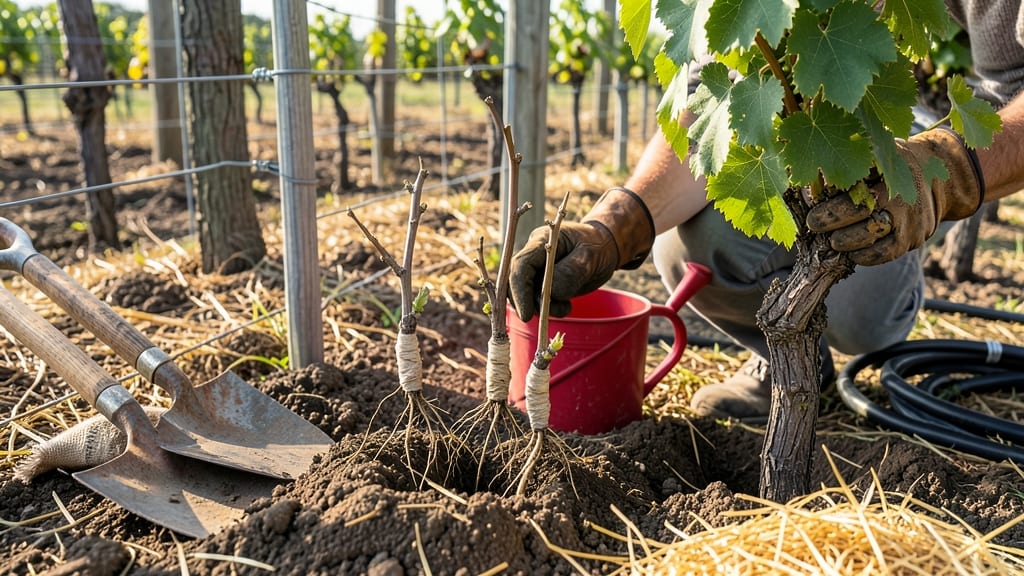
Planting grape vines in California at the wrong time can mean the difference between a thriving 🍇 harvest and struggling vines that never quite take off. With three distinct climates—coastal, Central Valley, and desert—each region demands its own timing strategy to avoid frost damage or drought stress.
If you’ve ever wondered why some gardeners swear by spring planting while others prefer fall, the answer lies in your local microclimate. Coastal areas like Zone 8a might handle fall plantings, while inland Zone 10a regions thrive with early spring starts.
Getting this right ensures strong root growth and sets your vines up for a bountiful harvest.
I’ll break down the exact months to plant based on your California zone, plus how to prep soil and choose the right variety for your climate. Whether you’re a first-time gardener or a seasoned grower, these insights will help you time your planting perfectly.
Ready to transform your backyard into a grape-growing success? Let’s dive into the best planting windows for your specific region and the steps to give your vines the strongest start possible.
California grape planting zones: best months by region (coastal vs. central vs. desert)
California’s grape-growing regions vary dramatically—from coastal fog belts to inland desert heat. Each zone demands a different planting strategy to avoid frost damage or heat stress. Let’s break down the optimal planting windows for three key areas: coastal, Central Valley, and desert.
The USDA hardiness zones in California range from Zone 8a (coastal) to Zone 11 (desert). Your last frost date is the critical factor—plant too early, and your vines could freeze; too late, and they’ll struggle to establish roots before summer heat arrives.
Here’s how to align your planting with California’s microclimates:
For coastal areas, aim for late February to April when soil temperatures hit 55-65°F. The Santa Barbara region, for example, has a low frost risk but benefits from fall planting (September-October) if using container-grown vines.
In the Central Valley, where zones 9a-10a dominate, March to early April is ideal. Soil should warm to 60-70°F before planting. Avoid delays—heat stress can kill young vines if planted after April 15.
The desert regions (like Coachella Valley) have no frost risk, so you can plant year-round. However, November-January is best to avoid summer drought and extreme heat. Container-grown vines thrive here with drip irrigation.
Pro tip: Use a soil thermometer to confirm root zone temperatures. Grape vines need consistent warmth—below 50°F stalls growth, while above 85°F causes stress. Adjust your planting date if temperatures fluctuate wildly.
🍇
How to prepare grape vine planting sites for maximum root success in California’s climate
California’s soil diversity—from sandy coastal plains to clay-heavy Central Valley—demands careful prep before planting grape vines. Root health starts with the right foundation, whether you’re working with native soil or raised beds. The key? Drainage and nutrient balance tailored to your microclimate.
For coastal regions, focus on well-draining soil to prevent waterlogging from winter rains. Inland areas need moisture retention during dry summers. Test your soil 4-6 weeks before planting—this gives you time to amend it properly. A pH between 6.0 and 7.0 is ideal for most grape varieties.
🌱 Step-by-Step Soil Prep for Grape Vines
- Clear the area: Remove weeds, rocks, and debris to a depth of 12-18 inches.
- Loosen the soil: Till or dig to 2 feet deep to improve root penetration.
- Amend heavy clay: Mix in 3-4 inches of compost or aged manure.
- Improve sandy soil: Add 2 inches of organic matter (peat moss or compost).
- Adjust pH if needed: Use lime for acidity or sulfur for alkalinity.
- Install drainage: For low spots, create a slight slope (1-2%) away from the vine.
- Add mulch: Apply 3-4 inches of wood chips to retain moisture.
If your soil is clay-heavy, incorporate coarse sand or perlite to break up compaction. For sandy soils, blend in composted leaf mold to boost water retention. Rocky terrain? Plant in raised beds or containers with well-draining potting mix.
Watering prep is just as critical. Deep watering 1-2 weeks before planting helps settle the soil and encourages root growth. Aim for 1-2 gallons per vine per week, adjusting for rainfall. Morning watering reduces fungal risks, while evening watering can promote mildew in humid coastal areas.
For container planting, use pots at least 18 inches deep and wide with drainage holes. Fill with a mix of 50% potting soil, 30% compost, and 20% perlite. Containers dry out faster, so check moisture every 3-5 days during summer.
Finally, install your trellis or support system before planting. Grape vines need vertical space to thrive—aim for 8-10 feet of height for standard varieties. Use galvanized wire or sturdy posts to support the vine’s weight as it grows.